

In the evolving landscape of kitchen technology, one innovation is making a particularly electrifying impression—lithium-ion (Li-ion) batteries. Once confined to smartphones and electric vehicles, these high-performance energy storage systems are now finding a new home in electric cooking ranges, transforming the way we cook, conserve energy, and interact with our appliances. The move toward battery-integrated kitchen solutions reflects a broader shift in design and functionality: toward flexibility, sustainability, and resilience.
This article explores how lithium-ion batteries work, how they’re being integrated into electric ranges, what safety considerations consumers should keep in mind, and what benefits and challenges accompany this cutting-edge advancement.
What Are Lithium-Ion Batteries?
Lithium-ion batteries are rechargeable energy storage devices prized for their high energy density, longevity, and lightweight design. Structurally, each battery comprises four main components: a cathode (positive electrode), anode (negative electrode), electrolyte, and separator. During the charging and discharging cycle, lithium ions move from one electrode to the other through the electrolyte, generating a flow of electricity.
What makes Li-ion technology so valuable in modern applications is its ability to store significant energy in a compact form. These batteries exhibit low self-discharge rates, meaning they retain power when not in use, and they lack the “memory effect” seen in older rechargeable batteries, which often diminished performance over time. As a result, lithium-ion cells have become the go-to choice in sectors ranging from personal electronics to renewable energy systems—and now, kitchen appliances.
Battery-Integrated Electric Ranges: A Culinary Upgrade
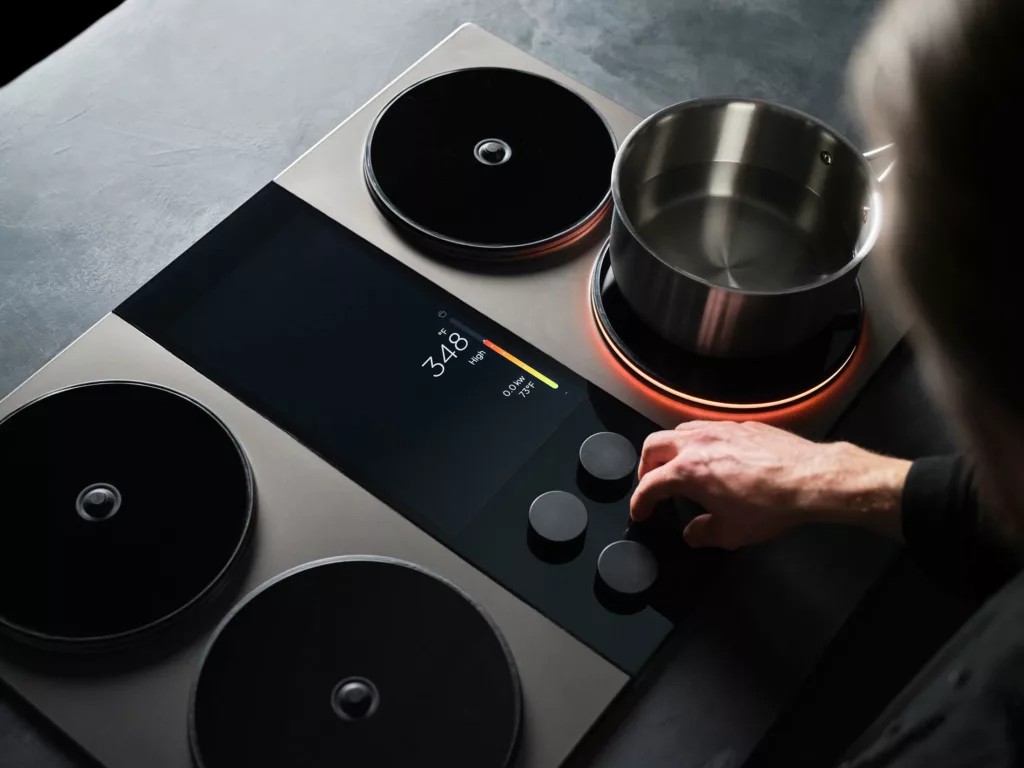
The concept of a battery-powered electric cooking range might once have seemed futuristic, but it’s rapidly becoming a reality in innovative product lines. One of the most notable examples is the Impulse Cooktop by Impulse Labs—an appliance engineered around a 3 kWh lithium iron phosphate (LFP) battery. Unlike traditional induction cooktops that rely solely on grid power, the Impulse Cooktop can operate independently, thanks to its onboard battery system.
With an impressive peak power output of up to 10,000 watts per burner, this cooktop can boil water in under 40 seconds—an extraordinary feat that makes it up to five times faster than leading gas ranges and three times faster than top-tier induction units. The battery doesn’t just make the unit powerful; it makes it practical. It allows users to plug the appliance into a standard 120-volt outlet—no costly electrical upgrades required. This is a major advantage for renters, tiny-home dwellers, or homeowners looking to modernize their kitchens without rewiring them.
Moreover, battery integration opens the door to off-grid cooking. Whether you’re in a cabin with limited infrastructure or facing an unexpected blackout, a battery-equipped range ensures that your cooking routine remains uninterrupted.
Safety First: Understanding the Risks and Protections
Despite their benefits, lithium-ion batteries do carry certain safety risks. Chief among them is thermal runaway—a chain reaction triggered by overheating, overcharging, or internal failure that can lead to fires or even explosions. Fortunately, manufacturers and engineers have taken substantial steps to reduce these risks through chemical advancements and protective designs.
For example, lithium iron phosphate (LFP) batteries, like the one used in the Impulse Cooktop, offer greater thermal stability than other Li-ion chemistries. They are far less prone to overheating and boast longer life cycles. Many battery-powered appliances are also equipped with built-in safety protocols, such as thermal cutoffs, pressure vents, and smart charging systems.
Users should still follow basic precautions:
- Avoid physical damage to the appliance.
- Don’t charge on flammable surfaces.
- Monitor for signs of failure, including strange smells, excessive heat, swelling, or liquid leakage.
- Always follow manufacturer guidelines for installation, usage, and storage.
Benefits of Lithium-Ion Batteries in Electric Ranges
The integration of lithium-ion batteries into kitchen appliances offers a range of meaningful advantages:
- High Energy Density
Li-ion batteries provide significant power in a compact size, ideal for sleek, space-efficient kitchen designs. - Efficient Performance
The ability to heat rapidly and cook evenly shortens meal prep times and enhances cooking precision. - Portability & Flexibility
Battery-powered ranges can be placed in homes, mobile kitchens, off-grid cabins, and even outdoor spaces with minimal installation requirements. - Environmental Stewardship
These appliances eliminate the need for fossil fuel combustion in the kitchen, contributing to cleaner indoor air and reduced carbon emissions. - Resilience During Power Outages
Whether you’re in an area prone to grid failures or just want peace of mind, the backup capacity of these batteries ensures continued operation. - Simplified Installation
No sub-panel upgrades or dedicated 240V outlets required—standard plugs are often sufficient, making these appliances plug-and-play in the truest sense.
Challenges and Considerations
With innovation comes trade-offs. The use of lithium-ion batteries in cooking appliances isn’t without its limitations:
- High Upfront Costs
Advanced materials and technology drive up the initial price—expect to pay a premium compared to traditional electric or gas models. - Battery Degradation
Over time, batteries may lose capacity, especially with frequent charge cycles and exposure to high heat. - Safety Concerns
Although rare, battery failures can be serious. It’s essential to buy from reputable brands with robust safety testing. - Environmental and Ethical Costs of Extraction
The mining of lithium, cobalt, and other battery components raises ecological and humanitarian concerns, particularly regarding labor conditions and water usage. - Recycling and Disposal
While recycling technology is improving, infrastructure is not yet universal. Improper disposal can cause environmental harm.
Market Trends: A Surge in Battery-Backed Innovation
The lithium-ion battery market is in a period of explosive growth, expanding from $56.8 billion in 2023 to a projected $187.1 billion by 2032, according to industry forecasts. That’s a compound annual growth rate (CAGR) of 14.2%—a testament to the demand for energy storage solutions across industries.
Kitchen appliances represent a growing slice of this market, thanks to consumer interest in off-grid living, sustainable cooking, and smart home integration. As companies like Impulse Labs continue to refine their battery systems, we can expect to see more appliances that marry performance with independence.
Conclusion: The Future of Cooking Is Unplugged
The integration of lithium-ion battery technology into electric cooking ranges is more than just a convenience—it’s a reimagining of what modern cooking can be. Offering speed, flexibility, and eco-conscious design, these battery-powered ranges promise a new level of performance and resilience for the 21st-century kitchen.
As battery technology continues to evolve—becoming safer, more efficient, and more accessible—we may well find that the heart of the home beats even stronger when it’s unbound from the wall. For consumers who value innovation, sustainability, and independence, lithium-powered ranges are no longer a curiosity—they’re the next chapter in culinary excellence.