


The kitchen, commonly referred to as the central part of the home, is a focal point for essential culinary equipment necessary for the cooking process, with the oven being especially versatile and indispensable. Ovens have played a pivotal role in culinary traditions since ancient times, serving a wide range of purposes such as baking delectable cookies and roasting a celebratory Thanksgiving turkey. This exploration will examine the various ways in which ovens are used, including an analysis of their different types and functions. In addition, we will examine the development of ovens and emphasize the distinct characteristics that differentiate different models, providing a thorough overview of these essential kitchen appliances.
Understanding an Oven: A Culinary Staple
An oven, a fundamental component of culinary equipment, utilizes thermal energy to prepare and bake food. Ovens are essentially chambers that are enclosed and have a heat source located either at the bottom or back. They are designed to reach and maintain precise temperatures, which gives cooks and bakers significant control over their culinary creations. The oven’s capacity to effectively regulate heat renders it a versatile instrument, capable of accommodating diverse culinary methods. Therefore, its importance spans across the entire range of cooking, making it essential for both professional chefs and home cooks.
Diverse Uses of Ovens
Ovens are renowned for their wide range of functions, which mirror the adaptability of the dishes they assist in making. Baking, widely recognized as their most esteemed utilization, encompasses a diverse array of culinary delicacies, including breads, pastries, cakes, and cookies. The key to the success of these baked goods lies in the oven’s capacity to evenly distribute heat, enabling them to rise and brown uniformly.
Roasting is a significant application, particularly emphasized during celebratory events. This technique enhances distinct flavors and textures in meats, vegetables, and fruits, relying on the oven’s ability to consistently maintain temperatures.
In addition to baking and roasting, ovens play a crucial role in broiling, which is a cooking method that involves subjecting food to intense heat to achieve a crispy outer layer while maintaining a tender interior. This technique is perfect for cooking steaks, fish, and specific vegetables, highlighting the essential role of the oven in creating a wide range of culinary masterpieces.
Exploring the Types of Ovens
Comprehending the different categories of ovens is essential, as each one is designed to meet specific culinary requirements. By understanding the distinctions between these categories, you can make a well-informed choice when selecting the oven that most closely matches your culinary needs. Acquiring this knowledge not only increases your ability to adapt in the kitchen, but also guarantees that you fully utilize the capabilities of your kitchen equipment, establishing it as a fundamental step in enhancing your cooking experience.
Conventional Ovens


The conventional oven, commonly known as a radiant or traditional oven, is the most widespread type. The appliance utilizes heating elements positioned at the bottom and top of the interior chamber to generate the required heat for cooking. Although traditional ovens are generally simple and dependable, they may occasionally have issues with distributing heat evenly. This feature necessitates periodically rotating dishes during the cooking process in order to achieve uniform baking, ensuring that all parts are evenly exposed to heat.
Convection Ovens
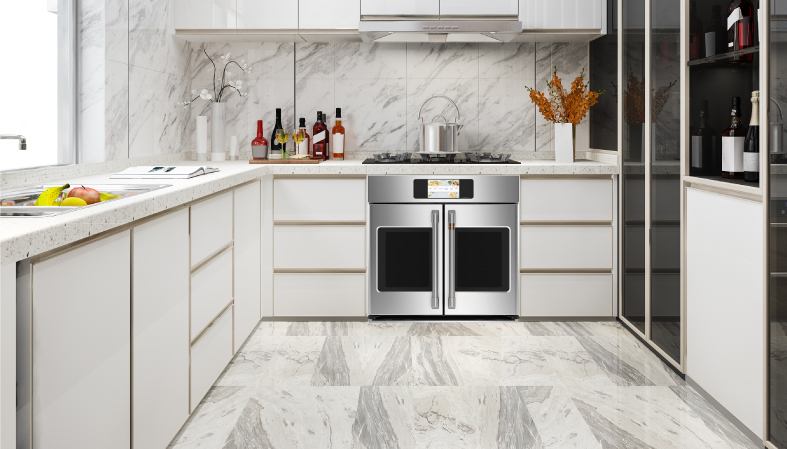

In contrast to conventional models, convection ovens employ a fan to evenly distribute hot air throughout the cooking area, thereby ensuring uniform heat distribution. This mechanism enables expedited and homogeneous cooking in contrast to traditional ovens. Convection ovens are highly efficient and have improved airflow, making them ideal for tasks like baking or roasting that require even browning and thorough cooking. This technology greatly improves the cooking of foods such as meats and breads, resulting in a consistently cooked result that enhances their taste and texture.
Microwave Ovens


Microwave ovens, which are different from traditional and convection ovens, have established an important role in the contemporary kitchen. Microwaves utilize electromagnetic waves instead of thermal heat to internally heat food. Microwaves are highly efficient for reheating leftovers, thawing frozen foods, and even cooking meals due to their ability to cook quickly. Their rapidity and convenience have rendered them essential in the contemporary fast-paced way of life, providing a prompt and effortless resolution to meal preparation.
Gas vs. Electric Ovens


The differentiation between gas and electric ovens constitutes another notable divergence within the realm of ovens. Gas ovens, powered by either natural gas or propane, create a moist atmosphere that is advantageous for specific cooking methods. This level of humidity can be especially beneficial for baking goods that flourish in damp environments. Conversely, electric ovens depend on electricity to produce heat and are highly valued for their capacity to maintain extremely accurate temperatures. The precise temperature control of this device is particularly attractive to professional chefs and amateur cooks who value consistent cooking outcomes. The decision between gas and electric cooking methods typically hinges on individual preference and the specific culinary requirements of the user, as each option presents its own distinct advantages.
Steam Ovens
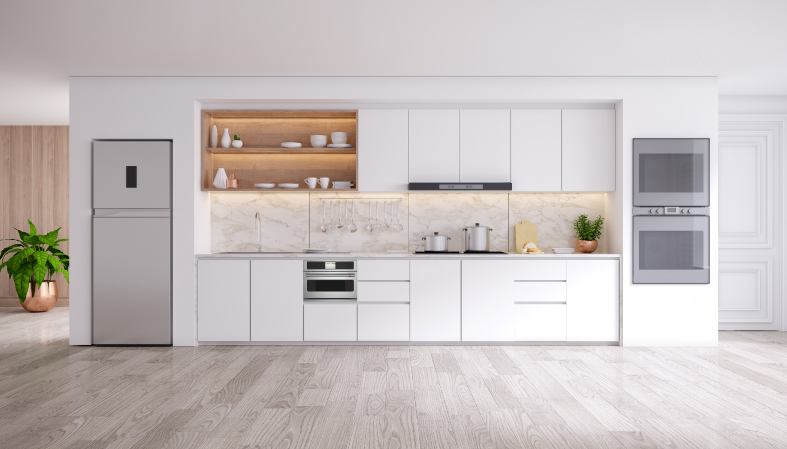

Steam ovens utilize steam as a means of heating food, deviating from conventional thermal or microwave cooking methods. This method is especially efficient in maintaining the inherent moisture of ingredients, leading to dishes that are succulent and tender. In addition to their main purpose, steam ovens exhibit versatility, excelling in baking, roasting, and effectively reheating leftovers to restore their freshness. Steam ovens are a valuable addition to any kitchen due to their multi-functionality. They provide a healthier cooking option that improves flavor and texture while preserving nutrients.
Wall Ovens

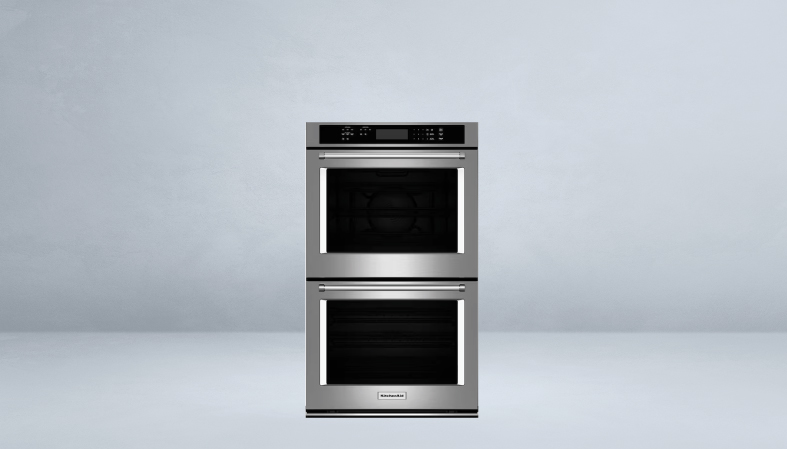
Wall ovens, which are affixed directly to the kitchen wall, embody a minimalist aesthetic and seamlessly blend into the design of contemporary kitchens. They are available in different configurations, such as single and double ovens, which allow for the simultaneous cooking of multiple dishes at different temperatures. This feature is especially attractive to individuals who host or cook for large gatherings, offering a degree of convenience and effectiveness that standalone ovens may lack. In addition, modern kitchens prefer wall ovens due to their capacity to improve the overall appearance and atmosphere of the area, combining practicality with elegance to harmonize with the interior design.
Double Ovens
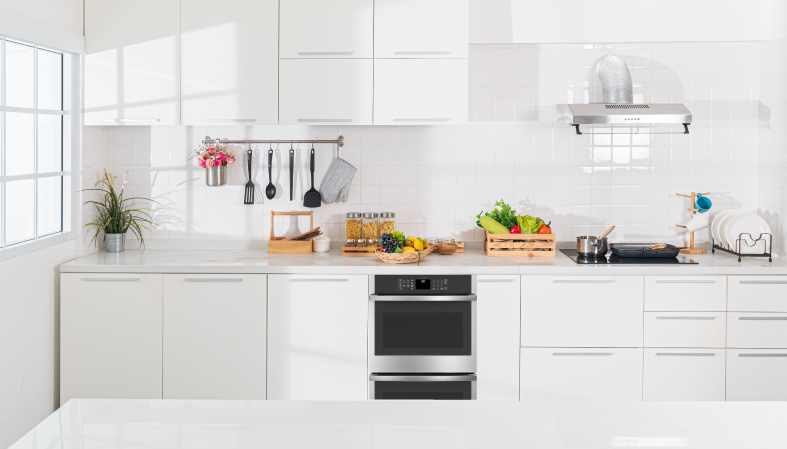

Double ovens, which consist of two vertical oven compartments, significantly enhance cooking capabilities by providing ample room to cook multiple dishes at different temperatures simultaneously. This design is particularly suitable for individuals who frequently host gatherings or engage in the preparation of intricate meals. It offers a practical and efficient solution to the requirements of extensive cooking tasks. The capacity to independently operate each oven enables a smooth and adaptable cooking experience, rendering double ovens a valuable resource in the kitchens of enthusiastic cooks and hosts.
Range Ovens


Range ovens, which combine a cooktop and an enclosed oven chamber, are essential components of a traditional kitchen. This multifunctional solution offers a condensed and effective cooking area, capable of accommodating a diverse array of culinary tasks within a single appliance. Range ovens are offered in multiple models that utilize various fuel types, such as gas and electric. This caters to the diverse preferences of cooks, providing flexibility in cooking techniques and ensuring efficient use of fuel. Their adaptability and practicality make them an essential item in kitchens that prioritize efficient use of space without sacrificing cooking capacity.
Toaster Ovens


Toaster ovens offer a small yet extremely adaptable option, performing exceptionally well in fast and energy-saving cooking activities. Although they are compact in size, they possess impressive power, which makes them perfect for toasting bread, cooking small quantities, and warming up leftover food. Compared to traditional ovens, their velocity and decreased energy usage provide a pragmatic solution for everyday cooking requirements. Toaster ovens are a suitable option for kitchens with limited space due to their compact design. They offer significant cooking capabilities without taking up much room.
The Evolution of Ovens
The progression of ovens serves as evidence of the development of culinary technology throughout history. Originally, ovens were rudimentary hearths or structures made of clay, fulfilling fundamental purposes of baking bread or cooking meat. As civilizations progressed, the design and functionality of ovens also advanced, resulting in notable advancements.
The introduction of the wood-fired brick oven represented a significant advancement, providing improved regulation of cooking temperatures and greater heat preservation efficiency. The introduction of gas and electric ovens in the 19th and 20th centuries had a profound impact on the culinary industry, simplifying cooking methods and offering increased convenience and efficiency.
The innovation trajectory progressed further with the introduction of convection and microwave ovens, which brought additional dimensions to cooking techniques and enhanced efficiency. Smart ovens have recently emerged, integrating contemporary features like remote control functionality, pre-set cooking options, and advanced sensor technology. These advancements have greatly enhanced the accuracy and uniformity of food preparation. This ongoing journey exemplifies the ever-changing and transformative nature of culinary technology, consistently altering our cooking experiences and potential.
Conclusion
The oven is an enduring and essential fixture in kitchens around the world, having undergone centuries of development to maintain its central role in global cuisines. The evolution from traditional fireplaces to modern smart ovens reflects the changing demands and tastes of cooks and chefs over time.
Ovens are notable for their versatility, as they can accommodate a diverse range of cooking techniques, including baking and broiling. The array of oven types available, including traditional, convection, gas or electric, steam, and toaster ovens, guarantees a suitable option for every cooking tradition and preference. The oven’s adaptability and evolution demonstrate its enduring importance in culinary practices, affirming its value as an essential tool that adjusts to culinary advancements and trends.