


Overview
Air conditioning units, an essential technology for modern living, have transformed our environments, offering comfort and improved air quality. They regulate temperature and humidity, making spaces habitable in extreme weather conditions. Here we will delve into the history, types, brands, features, and uses of air conditioning units.
In addition to maintaining comfortable living conditions, air conditioning units have also played a crucial role in various industries. From keeping food in refrigeration systems to providing optimal conditions in critical environments such as data centres and healthcare facilities, the impact of air conditioning spreads beyond residential and commercial spaces. Moreover, technological advancements have led to the development of energy-efficient and eco-friendly cooling solutions, managing concerns about environmental impact. As the demand for climate control continues rising globally, ongoing inventions and advancements in air conditioning systems are expected to shape a more sustainable and comfortable future.

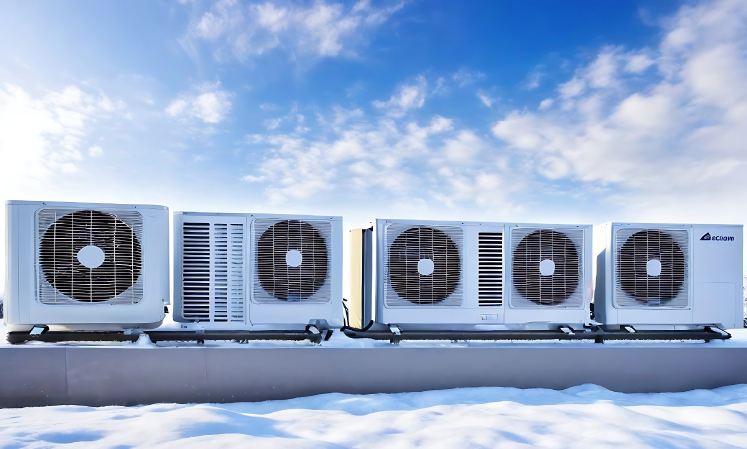
The Evolution of Air Conditioning Units
From its humble beginnings, air conditioning has evolved remarkably, transforming from essential systems to refined, high-tech units catering to various needs.
Historical Milestones
● 1902: Willis Carrier invents the first modern air conditioner.
● 1920s: Spread in commercial use, particularly in theaters.
● Post-World War II: Residential AC units gain popularity.
Advancements Over Time
Continuous advancements mark the journey of air conditioning units. Originally, these systems were bulky and energy-inefficient, but engineers and designers have made significant strides in enhancing their efficiency, size, and overall performance over time.
Technological Innovations: From bulky, inefficient models to sleek, energy-efficient units.
The transition from clunky models to sleek, energy-efficient units shows the power of technological invention. Moreover, improved compressor technology and the affiliation of smart features have improved the industry, delivering users with more useful and convenient cooling solutions.
Environmental Considerations: Shift towards eco-friendly refrigerants and energy-saving features.
In response to growing environmental awareness, the air conditioning industry has made a noticeable shift towards public demand. This contains a move away from traditional refrigerants with high global warming potential to eco-friendly alternatives. Factories also incorporate energy-saving features and products with the broader push for greener and more reliable technology. This double focus on implementation and environmental effect reflects a dedication to a better sustainable future for air conditioning.
Types of Air Conditioning Units

Room Air Conditioners
Compact and Affordable: Ideal for single rooms. Room air conditioners, renowned for their compact design, deliver an efficient and cost-effective solution for chilling individual spaces.
Types: Window units, portable air conditioners. Room air conditioners come in different forms, with two popular options being window units and portable air conditioners. Window units seamlessly combine into window openings, optimizing space and delivering a hidden cooling solution. Portable air conditioners, on the other hand, offer flexibility, letting users move them from room to room, providing comfort wherever it’s needed. These diverse types cater to different tastes and partial constraints, providing users with universal options to meet their specific cooling needs.
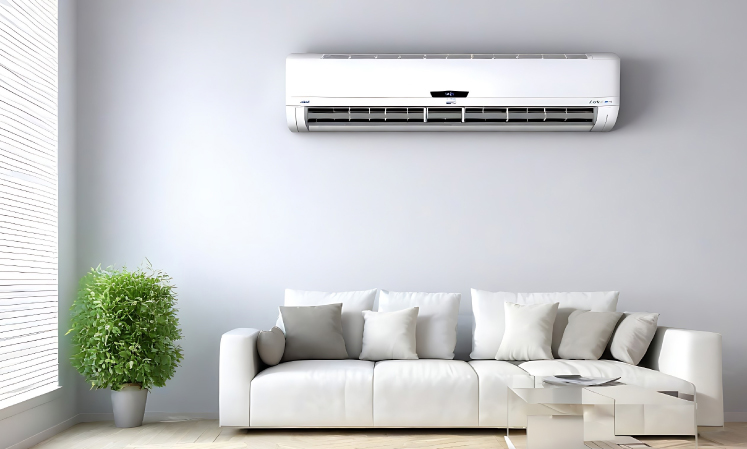
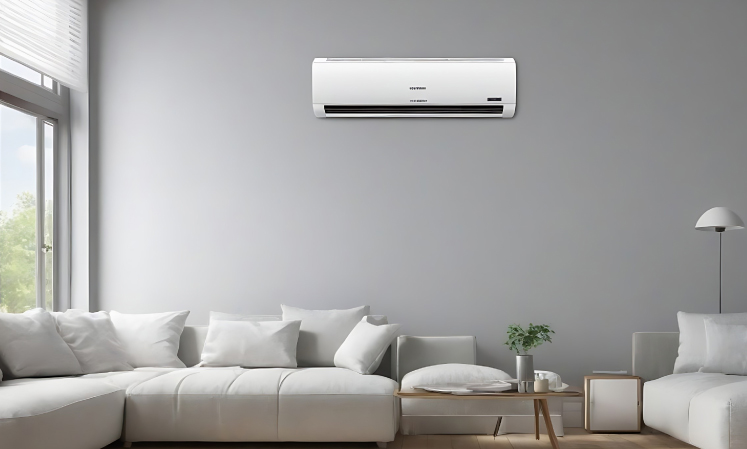

Ductless Mini Splits
- Ductless mini splits offer efficient and versatile cooling options, with both wall and ceiling mounting to suit any space. These systems are highly energy-efficient, reducing utility bills and allowing for individual room temperature control. Ideal for both single and multi-zone environments, they provide a customizable solution that enhances comfort and energy management.
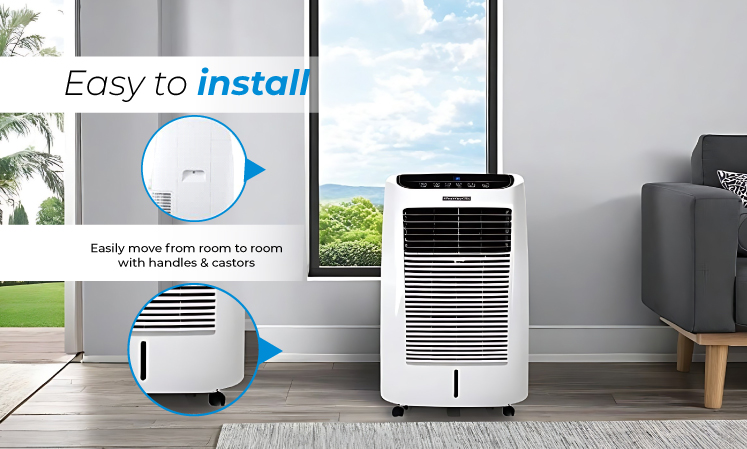
Portable Air Conditioners
- Portable air conditioners are designed for easy movement and installation, making them ideal for both temporary setups and supplemental cooling needs. Their mobility ensures that you can transfer cooling to any room, providing a flexible solution during hot weather or in spaces without permanent AC systems. This makes them perfect for enhancing comfort exactly where and when you need it.

Window Wall Air Conditioners
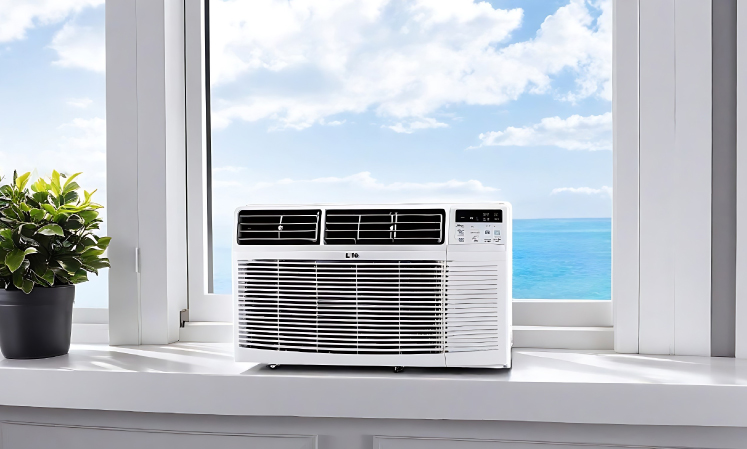
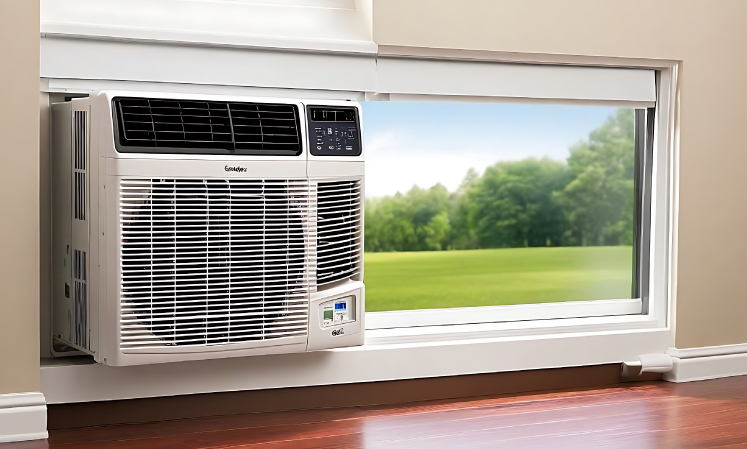
- Traditional air conditioners, commonly found in older homes and apartments, offer reliable cooling through tried-and-true technology. These units are typically installed as window-mounted or through-the-wall designs, providing effective temperature control where central air conditioning might not be feasible. Ideal for both permanent and long-term use, they remain a steadfast choice for efficient home cooling.

PTAC Units
- Packaged Terminal Air Conditioner (PTAC) units are extensively used in commercial settings such as hotels and hospitals, offering both heating and cooling in one integrated system. These units are designed for energy efficiency, making them a cost-effective solution for managing climate in large buildings. PTAC systems provide the flexibility and reliability needed in professional environments where both comfort and energy management are critical.
Why You Need an Air Conditioner
Comfort: “Maintains comfortable indoor temperatures.” An air conditioner not only maintains peaceful indoor temperatures but also provides a constant and relaxing atmosphere, delivering a haven from the sweltering heat or freezing cold.
Health Benefits: “Reduces humidity, prevents heat-related illnesses.” Besides temperature control, air conditioners protect your well-being by actually lowering humidity levels. This prevents discomfort and is a necessary defense against heat-related illnesses, facilitating a safer and healthier living environment.
Air Quality: “Filters out pollutants and allergens.” Above temperature and humidity regulation, air conditioners serve as trustworthy guardians of indoor air quality. These systems are fitted with filters that efficiently capture and destroy pollutants, allergens, and airborne particles, making an environment that encourages your overall well-being.
Top Brands Through the Ages
- Early Pioneers: Carrier, Frigidaire.
- Modern Innovators: Daikin, Mitsubishi Electric, LG, Samsung.
- Reliable and Affordable: Honeywell, Whirlpool.
Conclusion
Air conditioning units have transitioned from being a luxury item to an essential one in numerous regions across the globe. The progression of these devices from basic conditioning mechanisms to advanced systems that provide a combination of improved air quality, energy efficiency, and comfort signifies a noteworthy technological development.
The ongoing global expansion of air conditioning unit market requires that technological advancements significantly influence the trajectory of these systems in the future. Smart thermostats, machine learning algorithms, and the incorporation of the internet of things (IoT) have significantly contributed to the increased intricacy of air conditioning units. These functionalities not only offer individuals exceptional authority over their internal environment but also aid in the enhancement of energy conservation. Furthermore, contemporary air conditioning systems have become more environmentally reliant due to the halt in the development of eco-friendly refrigerants and sustainable design practices caused by the increasing awareness of environmental impact. In light of the dynamic weather conditions and the growing demand for indoor comfort, the continuous development of air conditioning technology strives to balance the improvement of our living environments with the mitigation of sustainability issues.