

Introduction
Choosing the appropriate microwave can enhance your culinary endeavors, providing the convenience and effectiveness of home cooking in the kitchen. If you are a novice purchaser or seeking to enhance your current appliance, this guide on purchasing microwaves will assist you in understanding the important factors to consider in order to pick the ideal microwave for your need.
When beginning the quest to locate the perfect microwave, it is essential to evaluate your individual cooking patterns and requirements in the kitchen. Take into account the dimensions of your kitchen area, as this will determine whether you choose a countertop, over-the-range, or built-in microwave. Furthermore, assess the cooking functionalities that correspond to your culinary preferences. Contemporary microwaves are equipped with sophisticated features like convection cooking, sensor technology, and preset cooking programs. Power wattage is an additional factor to take into account, as higher wattage typically results in faster and more even cooking. Engaging in thoughtful contemplation of these elements will enable you to arrive at a well-informed conclusion, thereby guaranteeing that your new microwave harmoniously integrates into your kitchen routine and enhances your entire culinary endeavors.
Understanding Microwave Types
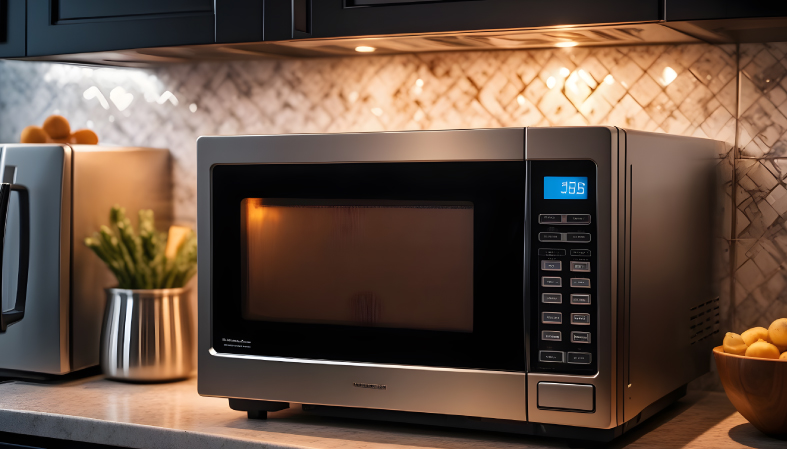
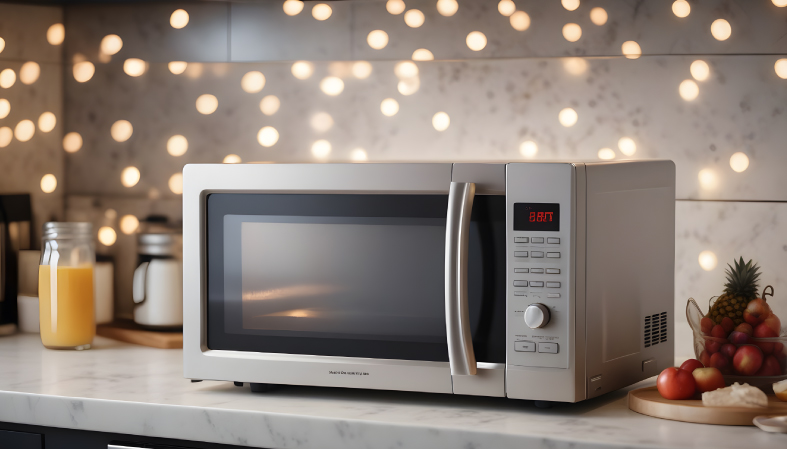
Countertop Microwaves: Suitable for people with lots of counter space, these microwaves are simple to install and come in a variety of sizes. For renters or those looking for a portable choice, they’re ideal. In addition to being practical, countertop microwaves may be placed in a variety of ways, making it simple to move them when needed.
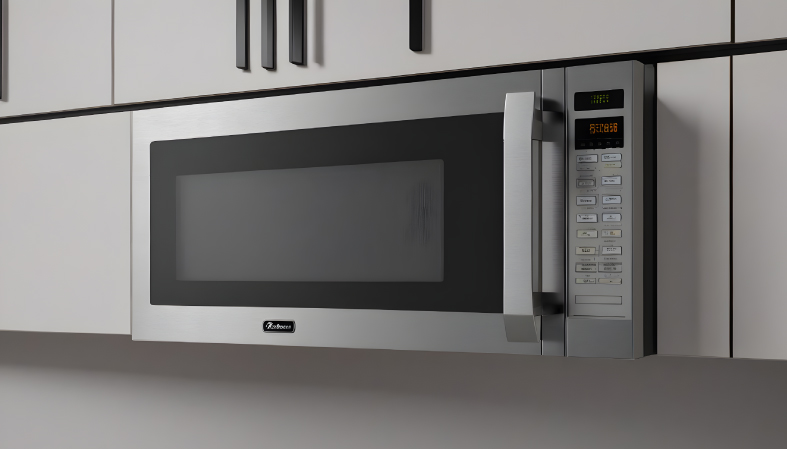
Over-the-Range Microwaves (OTR): OTR microwaves conserve counter space when installed over your cooking range and frequently come with built-in ventilation systems. However, in order to guarantee correct fitting and maximum ventilation effectiveness, their installation might need for specialized knowledge.
Built-in and Microwave Drawers: Ideal for custom kitchens, these microwaves blend seamlessly into your cabinetry, providing a seamless appearance. They sometimes have a higher price tag even though they provide a sleek and integrated appearance. For a polished look, built-in and microwave drawers mix in perfectly with your kitchen cabinetry. Because of their built-in design, which maximizes space efficiency and improves aesthetics, bespoke kitchen plans can benefit greatly from using them.
Size and Space Considerations
Measure Your Space: Be careful to take measurements of the width, depth, and height of the area that will be used for the microwave. Additionally, if you choose an over-the-range or built-in microwave, make sure to provide enough venting room. Sufficient ventilation is essential to the appliance’s long-term viability and effective operation. To guarantee open access, don’t forget to account for the microwave door’s swing.
Interior Size: Verify that the internal capacity—which is sometimes expressed in cubic feet—meets your needs for cooking. When choosing a microwave, interior size is crucial. Looking at the turntable diameter can reveal information about the microwave’s ability to hold different sized dishes.
Turntables and trays: These elements affect the interior volume of the microwave and are necessary for even cooking. Assuring uniform cooking of your food is facilitated by turntables and trays, which rotate or drive the food during the cooking process. This produces consistently cooked dishes since it not only has hotspots but also ensures a more level spread of heat.
Power and Wattage
Understand Wattage: Microwaves range from 500 to 1,200 watts. Higher wattage means quicker and more even cooking. When considering microwave wattage, keep in mind that higher wattage not only accelerates cooking but also allows for a wider range of cooking tasks. Microwaves with more increased wattage are better equipped for tasks beyond reheating, such as baking and roasting, as they provide the essential power for more complex cooking methods.
Adjustable Power Levels: Look for models that offer different power settings for versatile cooking options. Adjustable power levels are a crucial element to consider in a microwave, letting you tailor your cooking to specific needs. Whether you’re defrosting delicate items, simmering sauces, or reheating leftovers, having the flexibility to change power levels provides optimal results.
Key Features to Consider
Preset Programs: Presets can make cooking easier for certain chores like popping popcorn or defrosting.
Sensor Cooking: This function modifies power and cooking time in accordance with the moisture content of the meal.
Convection and Inverter Technology: Perfect for people who wish to bake or cook food more evenly in their microwave.
A kid safety lock is a necessary component for homes with young children.


Ease of Use and Maintenance
User Interface: Choose a model that has simple controls and legible screens.
Simple Interior Cleaning: For hassle-free cleaning, look for microwaves with stainless steel or non-stick interiors.
Price Range and Brands
Decide on a budget: Prior to purchasing, decide on your budget because microwaves can cost anywhere from $100 to over $1,000.
Brand Reliability: Look at the customer service and dependability of different brands. Manufacturers such as Panasonic, LG, and Samsung are frequently suggested brands.
Additional Considerations
Ventilation: To guarantee effective functioning and appropriate ventilation of your kitchen space, take into consideration the type of ventilation given by Over-the-Range models.
Aesthetics: Select a color and style that goes well with the layout of your kitchen, bringing out the best in your cooking space’s appearance.
Warranty and Support: To ensure peace of mind and assistance in case of any troubles, look for microwaves with good warranty terms and easily reachable customer support.
Examining specialty alternatives such as Over-the-Range Microwaves gives you additional options when choosing kitchen appliances. These multifunctional microwaves save counter space and have an added benefit of ventilating your stovetop. Remember that long-term efficiency is just as important as features when choosing a microwave.
Conclusion
Achieving the ideal microwave requires striking a balance between price, size, power, and functionality. You can select a microwave that not only looks fantastic but also improves your everyday cooking experience by taking into account your cooking preferences and available kitchen space.