


Introduction
Understanding PTAC Units
Packaged Terminal Air Conditioners (PTAC) are standalone heating and cooling systems frequently encountered in hotels, hospitals, and residential buildings. They offer a highly effective option for regulating temperature in particular rooms or regions. This page provides a comprehensive analysis of PTAC units, including their characteristics, classifications, costs, leading manufacturers, and further details.
PTAC units are commonly used in hotels, hospitals, and apartment complexes. However, they are also gaining popularity in residential settings and small offices. Their adaptability and high level of energy efficiency make them an attractive choice for homeowners who desire customized temperature regulation without the requirement of a central HVAC system. Modern PTAC units are typically equipped with user-friendly controls, smart capabilities, and energy-saving features, thanks to technological improvements. These features enhance comfort and promote sustainability. PTAC units are essential in meeting the growing demand for customizable heating and cooling solutions. They effectively cater to the variable temperature requirements of various locations, providing dependable performance and cost-efficient temperature control.

What is a PTAC Unit?
Overview and Features
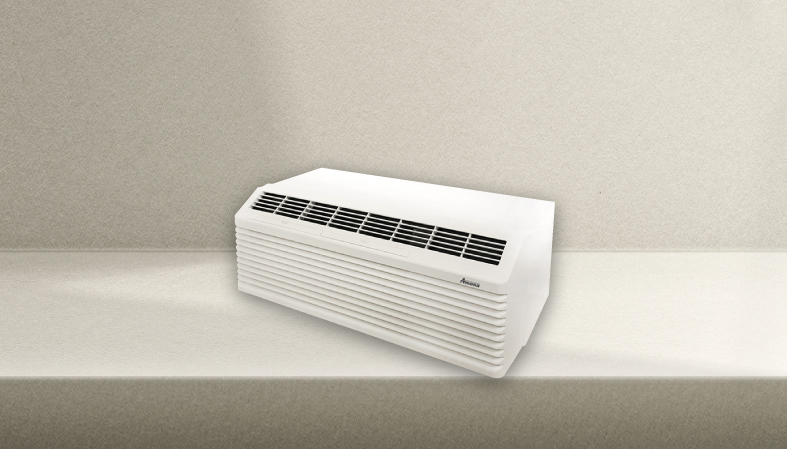
PTAC units are independent air conditioning systems specifically intended for individual room usage. These units are mounted on a wall and include all of its components within a single housing. Notable characteristics comprise:
- Heating and Cooling: PTAC units provide both heating and cooling capabilities, making them adaptable for usage throughout the year.
- Energy Efficiency: Several contemporary PTAC units are equipped with energy-saving modes and are assessed for their energy efficiency.
- User Control: Featuring intuitive settings for adjusting temperature and fan speed.
- Size and Capacity: Offered in a range of dimensions and capabilities to accommodate varying room sizes.
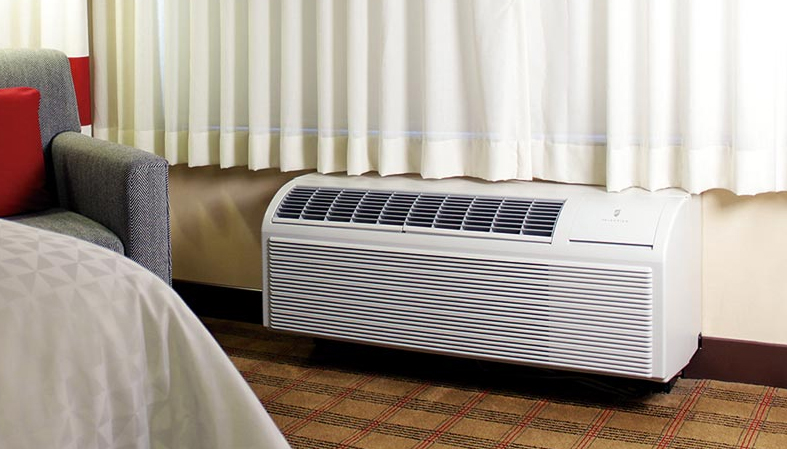
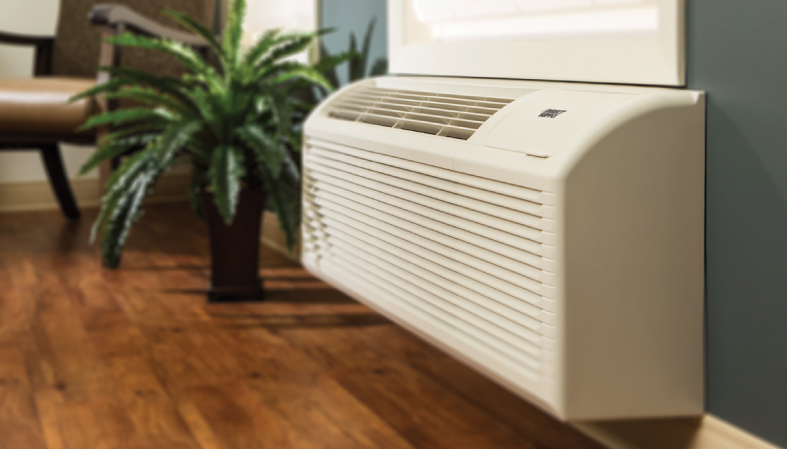
These units are mounted on an outside wall and are renowned for their efficiency and straightforward installation process. PTAC units provide both heating and cooling capabilities, making them versatile for usage throughout the year. Typically, they are equipped with an integrated thermostat for regulating temperature and may have extra functionalities like customizable fan speeds, air filters, and programmable options.
These systems are renowned for their compact design, which enables them to effortlessly fit into different places without occupying valuable floor space. PTAC units are renowned for their cost-effectiveness due to its ability to enable zoned climate control, which empowers users to independently regulate the temperature in individual rooms. In addition, several versions are equipped with energy-saving functionalities, which enhance the total energy efficiency and save utility expenses.
Price Range and Considerations
The price of PTAC units fluctuates based on their capacity, features, and brand. The pricing of PTAC units can vary from a few hundred dollars to well over a thousand dollars. It is essential to strike a balance between the original cost and the energy efficiency and maintenance requirements.
Applications and Uses
Why Choose a PTAC Unit?
PTAC units are ideal for:
- Individual Room Control: Ideal for environments where precise temperature regulation for each individual is required. PTAC units are highly effective in offering personalized climate control, enabling occupants to modify temperatures based on their preferences. This capability is particularly beneficial in settings where various rooms have distinct heating or cooling requirements.
- Space Saving: Due to their tiny shape, they are well-suited for areas with limited space.These products are designed to save space, making them ideal for regions with limited space. This compactness guarantees that the team’s performance is not compromised while maximizing the utilization of valuable floor or wall space.
- Ease of Installation: They may be readily installed and updated without the need for substantial ductwork. One notable advantage of PTAC devices is their ease of installation. PTACs, unlike systems that necessitate extensive ductwork, may be installed and removed relatively easily. This renders them a fitting option for refurbishing or enhancing existing areas without significant construction or restoration efforts.
Functionality and Maintenance
Ensuring Optimal Performance
Performing routine maintenance, such as cleaning filters and monitoring refrigerant levels, is crucial for ensuring the long-term durability and effectiveness of PTAC systems. The majority of units are specifically built to provide convenient access to internal components for the purpose of maintenance.
Aside from routine maintenance duties such as cleaning filters and checking refrigerant levels, it is crucial to be mindful of the general state of the PTAC (Packaged Terminal Air Conditioner) units. Tackling these difficulties in a delicate manner can effectively mitigate more significant problems and prolong the lifespan of the unit. Additionally, it is crucial to verify that the unit is calibrated accurately and its configurations are adjusted for energy efficiency in order to achieve maximum performance. This entails verifying the accuracy of the thermostat and ensuring that the unit cycles on and off in a suitable manner, which promotes durability and cost-efficient functioning. Regular focus on these specific elements enhances the overall efficiency and reliability of PTAC units, making them more dependable and energy-saving.


Types of PTAC Units
Exploring Variations
PTAC units can be classified into many varieties based on their heating methods, such as electric heat and heat pumps, as well as their cooling capacity. Gaining a comprehensive understanding of these distinctions is of utmost importance in order to choose the most suitable unit for your specific requirements.
Top Brands Through Time
Industry Leaders in PTAC
Some of the top PTAC brands include:
Amana: Known for reliability and energy efficiency.
Friedrich: Offers units with advanced PTAC Unit features and durability.
LG: Renowned for innovative technology and user-friendly designs.
Carrier: A long-standing brand known for quality and performance.
Conclusion
Making an Informed Decision
PTAC units are an optimal solution for specific heating and cooling requirements. To select the appropriate PTAC unit for your personal needs, it is important to take into account elements such as room size, temperature conditions, and energy efficiency. There is a wide variety of types and brands of PTAC units available, making it possible to choose one that suits every requirement.
Furthermore, it is crucial to give priority to product reviews and ratings provided by reliable sources while forming your assessment. Gaining input from other users who have comparable heating and cooling requirements can provide significant information regarding the effectiveness, longevity, and overall level of satisfaction with a specific PTAC unit. Seek models that have received favorable comments on their simplicity of installation, maintenance, and customer satisfaction. Additionally, it is advisable to examine the warranty and after-sales support provided by the manufacturer, since these elements significantly impact the enduring dependability of your investment. By integrating these factors with your particular requirements, you can make a knowledgeable choice and experience the advantages of a PTAC unit that fulfills and surpasses your expectations.