

Introduction
Window and wall air conditioners are essential in contemporary life, offering relief from high temperatures and maintaining a pleasant indoor atmosphere. This detailed guide explores the complexities of air conditioners, including their features, types, pricing, and the importance of having them in homes and offices.
Prior to discussing the characteristics and varieties of window and wall air conditioners, it is crucial to grasp the significance of correct installation and positioning. The efficiency of these cooling devices is greatly influenced by variables such room dimensions, insulation quality, and the orientation of windows. Ensuring a tight seal during installation reduces energy waste and enhances the unit’s performance. Factors such as sunlight exposure and the closeness of electrical items can enhance cooling efficiency. This section will provide essential methods to optimize the advantages of your air conditioner by making strategic installation and positioning decisions.
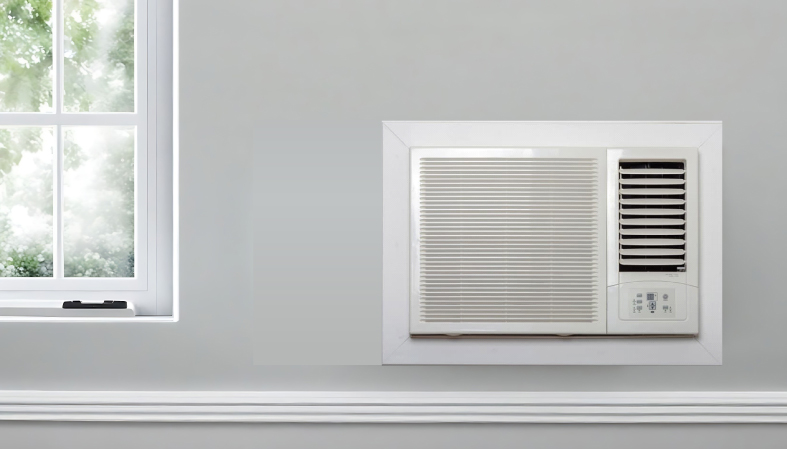


Overview of Window & Wall Air Conditioners
What Are They?
Window and wall air conditioners are small, specialized units created to cool individual rooms or certain spaces. Window air conditioners are affixed to windows, whereas wall air conditioners are positioned on an outside wall. Both are self-contained systems with all necessary components for operation integrated into a single unit.
These air conditioning units are widely used in home and commercial settings because of their efficiency and easy installation process. Window and wall air conditioners typically have a compressor, evaporator, condenser, and fan, all housed in a compact housing. The compressor and condenser cool and circulate refrigerant, while the evaporator absorbs heat from indoor air. The fan assists in dispersing the cooled air throughout the space. These units are renowned for their adaptability, offering a simple alternative for locations where central air conditioning may be less feasible or cost-prohibitive. Moreover, numerous modern versions are equipped with programmable thermostats, remote controls, and energy-saving modes, enhancing user comfort and efficiency.
Why One Needs Them
- Climate Control: They offer a regulated and pleasant interior environment that promotes maximum health and productivity while decreasing the likelihood of heat-related illnesses.
- Energy Efficiency:They are more energy-efficient than central air conditioning systems for cooling tiny spaces, leading to reduced power expenditures and carbon footprint.
- Cost-Effective:Reduced initial investment and maintenance expenses make them a cost-effective option, providing budget-friendly cooling solutions without sacrificing performance.
- Flexibility:Portable air conditioners are suitable for rental spaces or buildings where central AC installation is not possible. They offer the benefit of easy displacement to target specific regions or rooms according to changing requirements.
Features of Window & Wall Air Conditioners
- Adjustable Thermostat: To achieve accurate temperature regulation.
- Multiple Cooling Speeds: Addressing various cooling requirements.
- Remote Control: For simplicity and convenience.
- Energy-Saving Modes: Decreasing electricity usage.
- Filter Alert: Signaling the necessity for maintenance.
- Dehumidification: Removing excess moisture from the air.
Price Range
The cost of window and wall air conditioners fluctuates significantly depending on the brand, capacity, and features. Prices typically vary from $150 for basic versions to more than $1,000 for high-end equipment.
Top Brands Through Time
Historically, businesses such as GE, Frigidaire, and LG have been dominant in the air conditioning industry. Innovative brands such as Dyson and Honeywell have become more prominent by providing improved features and integrating smart technologies.
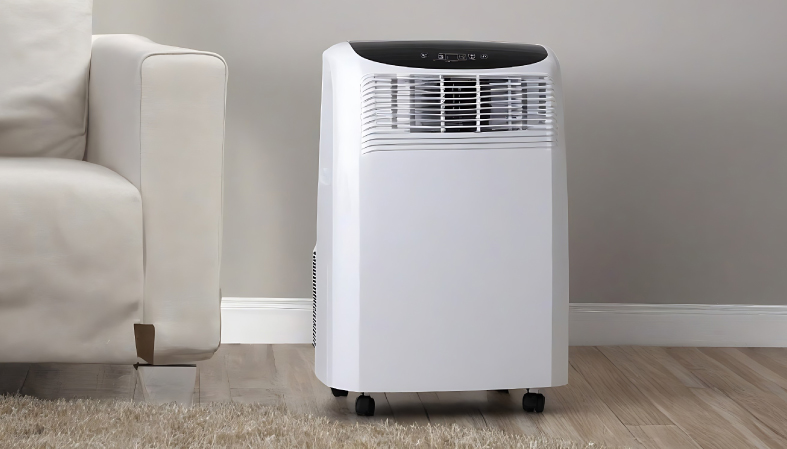
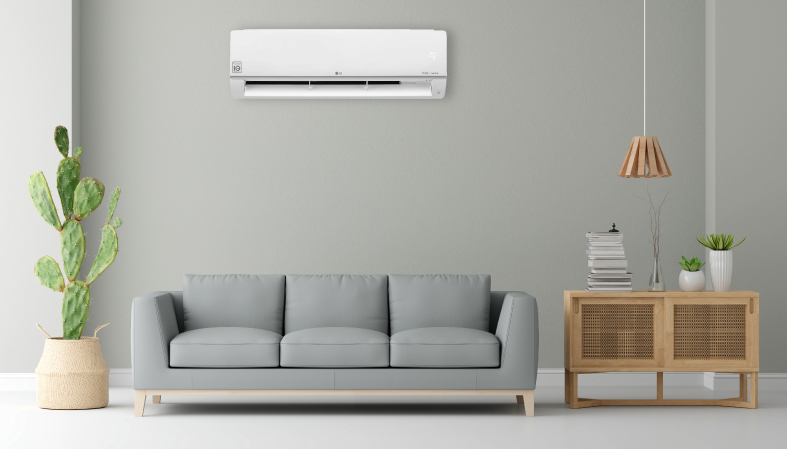

Types and Differences
Window Air Conditioners
- Easy to Install: Installs inside a window. Window air conditioners are designed to be energy-efficient, allowing you to stay cool while managing your electricity expenses.
- Portable: Portable and may be relocated easily. The portability of these devices allows residents or individuals to cool various rooms at different times without requiring a permanent installation.
- Variety of Sizes: Appropriate for various room dimensions.Window air conditioners come in varied sizes to provide a tailored cooling solution that matches the unique needs of diverse room sizes and layouts.
Wall Air Conditioners
- Permanent Installation: Requires a wall sleeve. Wall air conditioners that are permanently installed are more energy-efficient due to their tight construction, which reduces air leaks.
- Higher Capacity: Typically provides a higher amount of BTUs compared to window units.
Units with greater capacity typically feature adjustable fan speeds and airflow direction, enabling more accurate management of the indoor environment. - Aesthetic Appeal: Subtle and seamlessly integrates with the wall. Wall air conditioners have a streamlined and incorporated form that is suitable for smaller spaces, maximizing room layout and maintaining a tidy look.
Conclusion
Window and wall air conditioners are versatile, efficient, and cost-effective options for cooling particular spaces. Comprehending the many types, characteristics, and leading brands may assist in making a well-informed option that aligns with your house cooling requirements and financial plan.
Proper air conditioner maintenance and selecting the appropriate size and capacity are crucial for optimizing efficiency and longevity.
Window and wall air conditioners are not only versatile and cost-effective but also promote energy efficiency when utilized properly. Implementing basic measures like ensuring enough insulation and sealing gaps surrounding the unit will improve its efficiency and lower energy usage. Adhering to the manufacturer’s instructions for installation and maintenance is essential to maintain their efficiency in the long run. Some models provide advanced features such as programmable thermostats and energy-saving settings, allowing consumers more control over their cooling preferences and encouraging eco-friendly operation. By incorporating these behaviors and features into your air conditioning routine, you improve convenience and promote a more sustainable and energy-efficient cooling system.