

Electric stoves and cooktops are now a fundamental element in contemporary kitchen design, combining visual attractiveness with practical efficiency. Kitchen appliances have advanced greatly since their creation, now incorporating modern technologies to accommodate various culinary needs and styles. This article delves into the complexities of electric stoves/cooktops, focusing on their various types, advantages, simple upkeep, and appropriateness for modern kitchens.


Understanding Electric Stoves/Cooktops
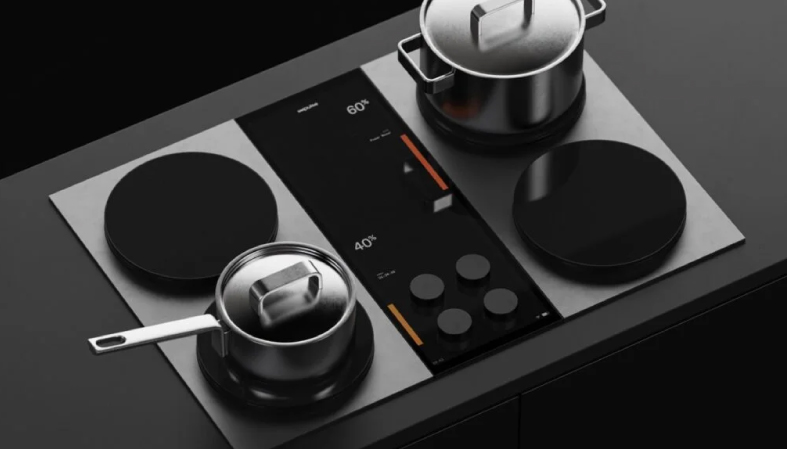
An electric stove, often known as an electric cooktop, is a kitchen equipment used for cooking and heating meals by utilizing electricity as the main energy source. Electric stoves generate heat by electric resistance, unlike typical gas stoves that use combustible fuels. The heat is subsequently transferred to cookware on the stove’s surface.
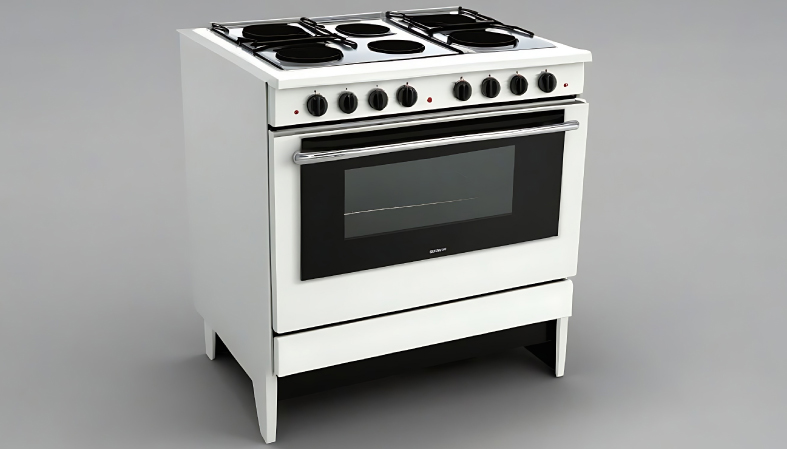
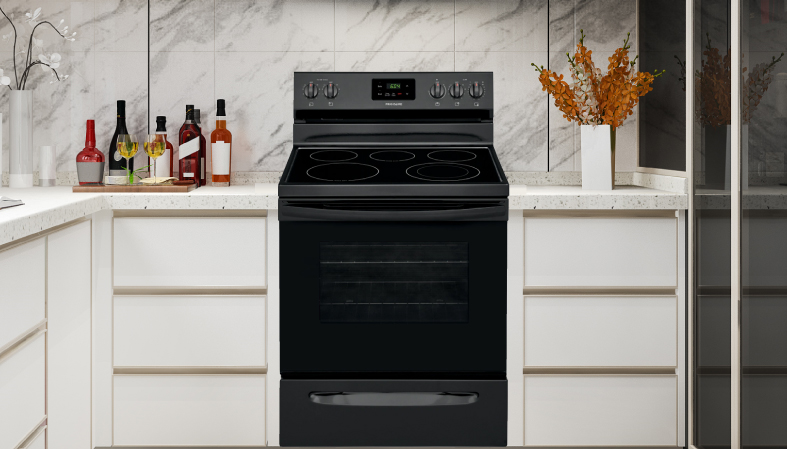
Electric stoves are available in many designs, such as coil burners and smooth glass-ceramic surfaces. Coil burners are electric heating elements made of coiled metal that heat up to a red-hot temperature during operation. These are frequently encountered in antiquated electric stoves. Modern electric stoves commonly have sleek glass-ceramic surfaces that incorporate heating elements underneath. The surfaces are intelligent and easy to clean, providing uniform heat distribution for precise temperature regulation while cooking.
Electric stoves offer a significant benefit in terms of convenience and user-friendliness. Users may easily modify the temperature by turning a dial or pressing a button, eliminating the necessity for manual adjustments as seen with gas stoves. Electric stoves are typically seen safer due to the absence of open flames or the potential of gas leakage. Some users may perceive that electric stoves have a longer heat-up and cool-down time in comparison to gas options.
Types of Electric Stoves/Cooktops
- Traditional Coil Stoves: The stoves are equipped with visible heating components or coils that emit a red glow when heated. They are renowned for their durability and affordability, although they may not have the stylish design and accurate temperature control of more contemporary models.
- Smooth-top Ceramic Cooktops: These cooktops include radiant heating elements under a ceramic glass surface that is flat and smooth. They have a sleek look and are simpler to maintain, making them a favored option for contemporary kitchens.
- Induction Cooktops: Induction cooktops use magnetic fields to produce heat quickly and maintain accurate temperature control. The cooktop is energy-efficient and safe since its surface remains cool, minimizing the danger of burns.
Benefits of Electric Stoves/Cooktops
- Consistent Heat Distribution: Electric stoves offer continuous and homogeneous heat distribution, guaranteeing even cooking outcomes. This is especially beneficial for baking and slow-cooking, as consistent temperatures are essential
- Ease of Cleaning: Ceramic and induction cooktops have a flat surface that makes cleaning easier since spills and splatters can be wiped away without having to work around coils or burners.
- Safety Features: Electric stoves typically include safety features such as automatic shut-off, indicator lights, and child lock functions to improve kitchen safety, particularly in homes with small children.
- Enhanced Kitchen Aesthetics: Contemporary electric stoves have stylish designs that go well with modern kitchen decor, enhancing the overall visual appeal.
Electric Stove/Cooktop Maintenance
Consistent maintenance is crucial for preserving the durability and efficiency of your electric stove. Here are some guidelines to maintain your equipment in optimal condition:
- Clean Regularly: Clean the stove after every usage to avoid the accumulation of food residue and grease. Utilize suggested cleaning agents and gentle pads to prevent surface scratches.
- Check for Damages: Periodically examine your cooktop for any fractures, particularly in ceramic versions, as compromised surfaces can affect functionality and safety.
- Replace Worn Elements: Replace any worn or damaged parts in coil stoves to ensure optimal heating performance.
Energy Efficiency and Cost Considerations
Electric stoves, especially induction versions, are typically more energy-efficient than gas burners. They have a higher energy conversion efficiency, resulting in decreased energy loss. Electric stoves, particularly induction cooktops, may have a higher initial cost compared to traditional stoves, although this is typically balanced by long-term energy efficiency.

Suitability for Your Kitchen
When selecting an electric stove or cooktop, take into account your cooking preferences, kitchen design, and financial constraints. Induction cooktops are perfect for individuals looking for accurate temperature regulation and energy conservation. Ceramic variants are ideal for kitchens that prioritize beauty and easy maintenance. Conventional coil stoves are appropriate for individuals with little financial resources or who cook infrequently.
Conclusion
Electric stoves/cooktops provide a contemporary, effective, and secure cooking experience. An electric stove is available to meet the demands of any kitchen, whether you choose the conventional coil stoves or the sophisticated technology of induction cooktops. Understanding the many kinds of electric stoves, their upkeep, and advantages will help you make a well-informed decision that improves your cooking experience and matches your kitchen’s aesthetic.
Electric stoves promote environmental sustainability, in addition to being versatile and safe. Electric stoves are generally more energy-efficient than gas stoves because they convert a higher percentage of energy into usable heat. Moreover, technical progress enhances the effectiveness of electric stoves, rendering them a sustainable option for ecologically aware consumers. Electric stoves are a functional and elegant solution for your kitchen that corresponds with current initiatives towards a greener future due to their lower carbon footprint and cleaner procedure.