

Electric stoves and cooktops have undergone a significant shift and are now key components of contemporary kitchen design. Their development encompasses sophisticated technologies and characteristics that specifically address a wide range of cooking requirements and preferences.
An outstanding feature of electric stoves and cooktops is their significant contribution to environmental sustainability. In response to society’s growing focus on energy efficiency and environmental responsibility, contemporary electric appliances are specifically engineered with energy-saving capabilities. Induction cooking technique provides accurate temperature regulation while decreasing energy inefficiency by directly heating the pan and its contents. Choosing electric stoves and cooktops is a responsible decision for environmentally conscious consumers, as it supports the current trend of building greener and more sustainable living spaces.


Understanding Electric Stoves/Cooktops
Electric stoves, usually referred to as electric cooktops, are a fundamental component of contemporary kitchens, providing a secure, dependable, and effective cooking encounter. Electric stoves differ from gas stoves in that they use electricity and electric resistance to produce heat, instead of relying on combustible fuels. The heat is subsequently transferred to the cookware positioned on the surface of the stove.
Electric stoves come in several designs, such as coil burners and smooth glass or ceramic tops. Coil burners are equipped with electric heating elements composed of metal coils. These coils heat up when an electric current passes through them, offering a conventional cooking experience. On the other hand, smooth glass or ceramic surfaces feature radiant components positioned underneath, providing a polished and low-maintenance cooking space. Advanced electric stoves may also include induction technology, which employs electromagnetic fields to directly heat the cookware, resulting in quicker and more accurate temperature regulation.
An inherent benefit of electric stoves lies in their incorporation of advanced safety mechanisms. They mitigate the hazards related to gas leaks and open flames, rendering them a perfect option for households with children or safety-conscious individuals. In addition, electric stoves often offer constant and uniform heat distribution, leading to more predictable cooking results. Electric stoves nowadays are equipped with advanced features such as programmable settings, timers, and touch controls. These enhancements improve the cooking experience and enable users to make meals with accuracy and convenience. Electric stoves are widely favored by cooking aficionados around the world, whether they are used in residential kitchens or professional culinary settings, due to their popularity and reliability.


Types of Electric Stoves/Cooktops
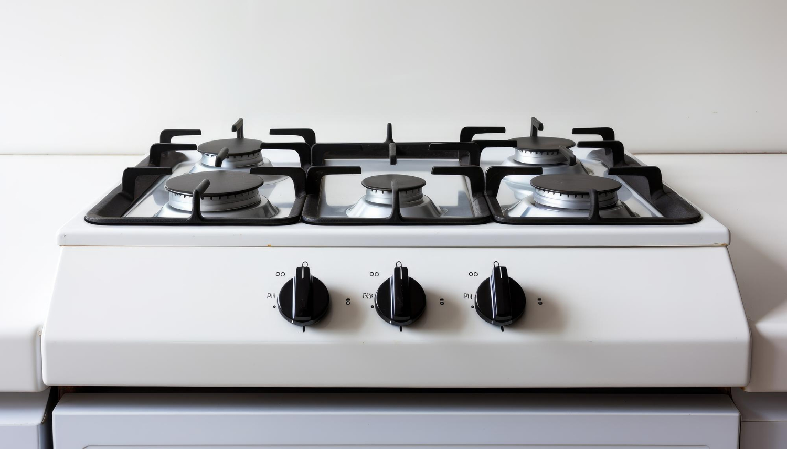
Traditional coil stoves are known for their durability and affordability. They have exposed heating components or coils that become red when heated. Nevertheless, older models may not possess the elegant aesthetics and accurate temperature regulation characteristic of contemporary iterations.
Smooth-top ceramic cooktops feature a level and sleek surface that makes use of radiant heating components positioned beneath a glass surface made of ceramic material. These countertops have a sleek look and are more convenient to clean, which makes them a favored option for contemporary kitchens.
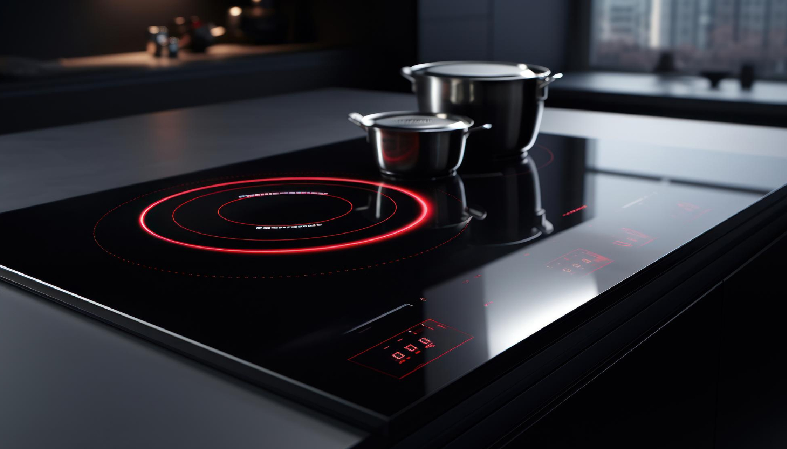
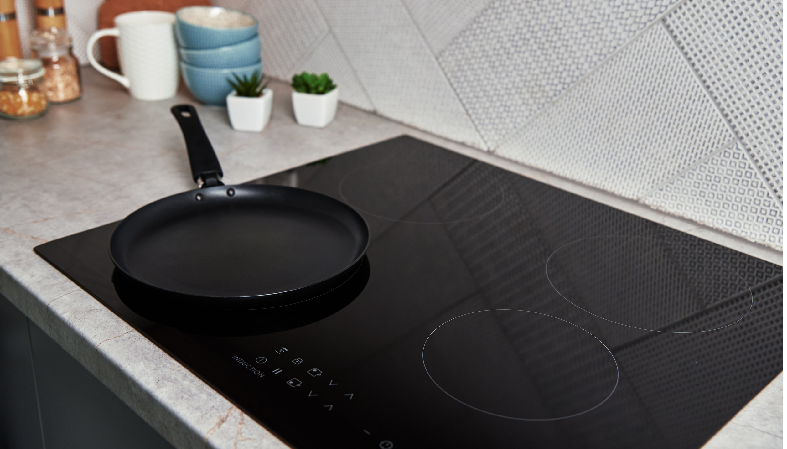
Induction cooktops utilize magnetic fields to produce heat, resulting in quick heating and accurate temperature regulation. These cooktops are both energy-efficient and safe, as the surface of the cooktop remains relatively cool to the touch, which reduces the likelihood of burns.
Benefits of Electric Stoves/Cooktops
Consistent Heat Distribution: Electric stoves provide consistent and even heat distribution, ensuring uniform cooking results. This is particularly advantageous for baking and slow-cooking, where steady temperatures are crucial.
Ease of Cleaning: The flat surface of ceramic and induction cooktops simplifies cleaning, as spills and splatters can be wiped away without navigating around coils or burners.
Safety Features: Electric stoves often come with safety features like automatic shut-off, indicator lights, and child lock functions, enhancing kitchen safety, especially in households with young children.
Enhanced Kitchen Aesthetics: Modern electric stoves offer sleek designs that integrate seamlessly into contemporary kitchen decor, elevating the overall aesthetic appeal.
Electric Stove/Cooktop Maintenance
Regular maintenance is key to ensuring the longevity and performance of your electric stove. Here are some tips to keep your appliance in top condition:
Clean Regularly: Wipe the cooktop after each use to prevent the buildup of food particles and grease. Use recommended cleaning products and non-abrasive pads to avoid scratching the surface.
Check for Damages: Regularly inspect your cooktop for any cracks, especially in ceramic models, as damaged surfaces can impact performance and safety.
Replace Worn Elements: In coil stoves, replace any elements that show signs of wear or damage to maintain efficient heating.
Energy Efficiency and Cost Considerations
Induction types of electric stoves are typically more energy-efficient than gas burners. They have a higher energy conversion efficiency, resulting in reduced energy loss as heat. Nevertheless, the upfront expense of electric stoves, particularly induction cooktops, may exceed that of conventional stoves. However, this is frequently balanced out by the long-term energy efficiency benefits.
Suitability for Your Kitchen
When choosing an electric stove or cooktop, take into account your cooking preferences, the arrangement of your kitchen, and your financial resources. Induction cooktops are well-suited for individuals who value accurate temperature regulation and energy conservation. Ceramic variants are ideal for kitchens that prioritize beauty and ease of cleaning. Traditional coil stoves are a cost-effective option for individuals with limited financial resources or who do not cook frequently.
Conclusion
Electric stoves and cooktops offer contemporary, effective, and secure cooking options for all kitchens. Whether you have a preference for the conventional coil stoves or the cutting-edge technology of induction cooktops, there is an electric choice available that will suit your requirements. To enhance your cooking experience and complement your kitchen’s decor, it is important to have a comprehensive grasp of the many types of electric stoves, their maintenance requirements, and the advantages they offer. This knowledge will enable you to make an informed decision.