

Efficiency is required for household duties in today’s fast-paced modern living. The advancement of technology, namely in the field of kitchen waste management, has given individuals the ability to shape a future that is both convenient and environmentally sustainable. Food disposers are essential for managing organic kitchen waste. This handbook examines the definition and characteristics of food disposers, as well as their advantages and ecological consequences, emphasizing the significance of effectively handling kitchen waste.
What are Food Disposers?
Food disposers, or garbage disposals, are modern kitchen devices created to pulverize leftover food into small fragments, facilitating its disposal down sink drains. These gadgets are installed beneath the kitchen sink and provide a straightforward and environmentally friendly alternative for handling organic waste.
Overview
Food disposers function based on a simple principle: they have a grinding chamber that pulverizes food waste into tiny bits. Subsequently, these particles are dissolved in water and subsequently disposed of by flushing them down the drain, hence obviating the necessity for conventional waste disposal techniques such as composting or discarding food waste into the garbage can.
Features of Food Disposers
Grinding Technology
The distinctiveness of different food disposers is attributed to the specific grinding methods they utilize. Sophisticated systems employ robust motors and many grinding layers to effectively disintegrate food particles into little fragments. This not only mitigates the likelihood of obstructions but also generates small particles that can easily traverse the pipes, guaranteeing seamless functionality.
Ease of Installation
Food disposers are often built for convenient installation, allowing individuals to easily put them up independently or with the help of a plumber. Installation generally entails following the clear instructions provided in the user-friendly manuals that come with the disposers.
Environmental Impact
Households are now giving priority to the adoption of environmentally friendly gadgets due to a heightened awareness of preservation and sustainability issues. Food disposers help protect the environment by redirecting food waste away from landfills. The food waste that has been ground into small particles by disposers can be handled at wastewater treatment plants and transformed into biogas or fertilizers, thereby decreasing the overall environmental effect.
Price Range and Considerations
Food disposers are available at different pricing points, which correspond to differences in quality and features. Standard models provide fundamental functionality, whilst high-end versions showcase further attributes such as noise reduction, anti-jamming systems, and improved grinding mechanisms. When buying a food disposer, it is important to consider both financial limitations and desired features in order to achieve the most value for money.
Usage and Importance
Efficient Waste Management
Food disposers are essential for effective kitchen waste management as they shred food waste for fast disposal. This decreases the frequency of waste collections and lessens the ecological consequences of landfill disposal. Homeowners can enhance the sustainability of their waste management system by integrating food disposers into their kitchens.
Hygiene and Odor Control
Food disposers facilitate the prompt elimination of food waste, so reducing the buildup of rotting leftovers in garbage containers. This not only improves kitchen sanitation but also avoids the dissemination of undesirable scents in the kitchen space. Food disposers are a crucial addition for houses that prioritize sanitation and value having fresher surroundings.
Environmental Benefits Grind Food Waste
Methane gas is a secondary product that is produced when food scraps are disposed of in landfills using standard methods. Nevertheless, the adverse effects on the environment can be reduced by employing food disposers, which pulverize food waste and redirect it away from landfills. Food disposers help mitigate the environmental impact, specifically by reducing the quantity of organic waste in landfills, which in turn reduces methane gas emissions.
Prevent Plumbing Issues
Food disposers aid in the prevention of plumbing issues by disintegrating food waste into smaller fragments, hence ensuring the cleanliness and efficiency of plumbing systems. This not only prevents households from the inconvenience of managing obstructions but also eliminates the necessity for chemical drain cleaners, which can pose a threat to the environment.
Top Brands Through Time
Historical Brands
Food disposers were first introduced in the early 1900s, and several brands quickly became recognized as leaders in design within the industry. In 1927, the company InSinkErator took the lead in introducing residential food waste disposers. Since then, this brand has consistently maintained its leading position in the market by continuously introducing innovative technologies and providing reliable products.
Current Leaders
In the contemporary environment, InSinkErator maintains a prominent stance by providing a wide array of food waste disposals that are specifically designed to cater to different requirements. Nevertheless, it is important to acknowledge that other manufacturers, such Waste King, KitchenAid, and Moen, have also made significant contributions in producing top-notch models that incorporate cutting-edge technologies and sturdy construction.
Types of Food Disposers
Batch Feed Disposers


This particular type is referred to as a batch feed disposer, which is specifically built to handle certain quantities of food waste in a single batch. Typically, these types are equipped with a stopper that triggers the disposal function when pressed downwards. Although they are considered to be safe since they have a stopper, which cannot handle continuous flow, these units are less handy than continuous feed disposers when dealing with huge amounts of waste.
Continuous Feed Disposers

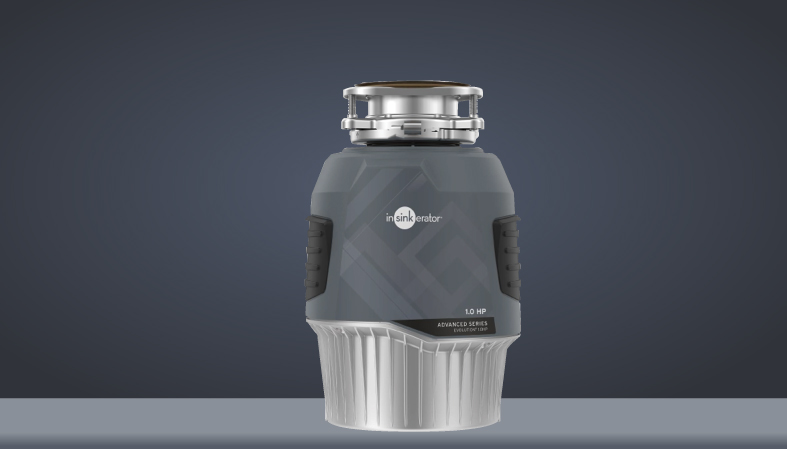
Households generally like continuous feed disposers because of their convenience. These disposal machines facilitate the uninterrupted processing of food waste, allowing users to add small amounts of rubbish while the unit is in operation. As a result, they are well-suited for efficiently and effectively managing substantial quantities of garbage. Nevertheless, users should exercise prudence to prevent mishaps and abstain from making contact with the disposal while it is in operation.
Why You Need a Food Disposer
Kitchen Efficiency
Adding a food disposer to the kitchen is an excellent method to streamline the process of getting rid of waste. Compared to untidy trash containers that might be difficult for people in a family to handle, individuals can conveniently get rid of leftover food by rinsing it down the sink when washing kitchen utensils.
Hygienic Solution
Ensuring a hygienic kitchen environment is essential for safeguarding the well-being of your household occupants. Food disposers are essential in preventing the accumulation of rotting food waste in garbage containers. Promptly disposing of food waste minimizes bacterial growth and eradicates unpleasant odors, leading to a tidy and more sanitary kitchen space.
Environmental Responsibility
Food disposers are the most environmentally friendly method for managing kitchen leftovers in a time when people are concerned about the environment. Utilizing them helps to protect the environment by reducing reliance on landfills and transforming food waste into valuable energy, so promoting a more sustainable waste management system.
Conclusion
Contemporary residences have widely adopted food disposers as the most convenient and environmentally friendly method for managing domestic food waste. These appliances incorporate advanced grinding technology, making installation easy and offering a range of capabilities. They may meet diverse customer needs and also contribute to a more eco-friendly waste management system.