

The evolution of appliance ranges is a captivating tale of ingenuity and change. Throughout the history of cooking technology improvements, each era has been characterized by significant advancements and renowned brands, starting with the primitive open fires of the past to the modern gas and electric kitchen stoves of today.
Recently, there has been a significant increase in futuristic cooking technologies that blend classic ranges with sophisticated inventions in the culinary industry. Smart appliances, interconnected kitchen ecosystems, and the incorporation of artificial intelligence have emerged as crucial components in the advancement of culinary spaces. Prominent businesses have adopted this technological change by creating domestic appliances that can be remotely controlled, deliver precise cooking using advanced sensors, and even provide recipe suggestions based on personal preferences. As we explore the intersection between traditional cooking and modern technology, these improvements indicate a potential future where cooking becomes more than simply a daily chore, but a fully engaging and technology-driven experience.
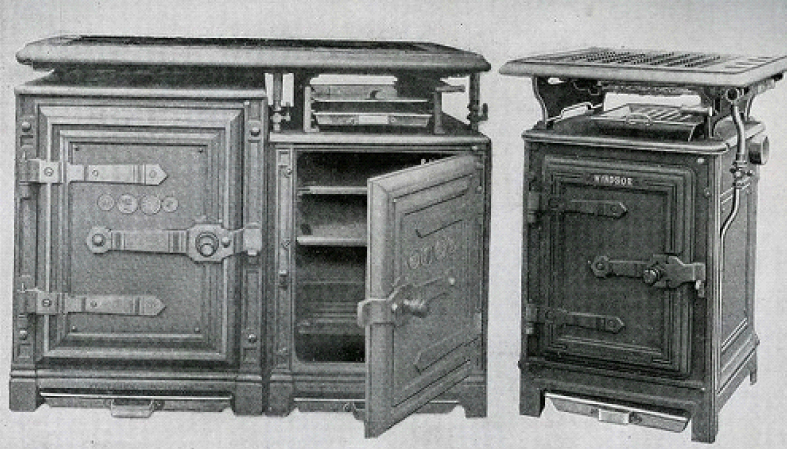

Early Innovations: The Impact of Count Rumford and Cast Iron Stoves
The development of kitchen ranges originated with Count Rumford in the 1790s. His pioneering culinary techniques and inventive craftsmanship established the groundwork for contemporary kitchen ranges, seamlessly integrating a heat source with an oven to facilitate precise cooking. In the 19th century, the increasing coal and iron industries led to the emergence of cast iron stoves, influenced by his guidance. These stoves were long-lasting, effective, and praised by reputable firms like Jotul and Vermont Castings, renowned for their exceptional workmanship.
During the 19th century, the increasing popularity of cast iron stoves brought about a significant transformation in household living. These stoves provided a reliable and consistent heat source for cooking and heating dwellings, thereby revolutionizing domestic life. The introduction of cast iron stoves brought about a notable change in the way households carried out everyday duties, resulting in more efficient cooking and a reduced reliance on open fires. This innovation not only improved the whole cooking experience but also enhanced kitchen safety and cleanliness. The exceptional durability and extended lifespan of cast iron stoves established them as a fundamental element in households, shaping subsequent improvements in kitchen technology and serving as the foundation for the diverse array of fashionable cooking equipment that we currently appreciate.
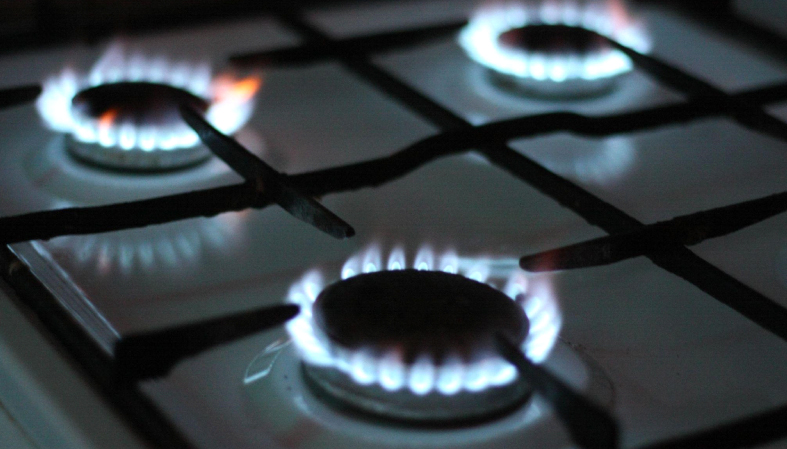

The Gas and Electric Revolution: Emergence of New Brands
By the end of the 19th century, gas stoves started to become more popular, thanks to the introduction of brands like as Roper and Magic Chef. These companies were trailblazers in introducing gas stoves to American households, revolutionizing the way people prepared meals.
The advent of electric stoves attracted new competitors to the market. General Electric (GE) and Westinghouse were pioneers in promoting electric stoves, which provided a hygienic and effective alternative to gas-powered stoves. By the mid-20th century, these brands played a crucial role in popularizing electric stoves and making them a common feature in households.
Mid-20th Century to Present: Diversification and Technological Advances
Following World War II, the appliance business experienced substantial expansion and diversification. Whirlpool, Frigidaire, and KitchenAid are among the brands that introduced a variety of kitchen equipment, including cutting-edge stove designs. These brands have consistently adapted and incorporated state-of-the-art technology into their products.
Within the luxury market, names such as Wolf and Viking have become closely associated with top-tier ranges, providing advanced functionality and elegant designs. These businesses targeted homeowners who were looking for kitchen appliances that were both useful and stylish.
The Modern Era: Smart Technology and Global Brands
Currently, the market for kitchen ranges is primarily controlled by prominent multinational companies such as Samsung, LG, and Bosch. These leading manufacturers have incorporated advanced technology into their cooktops, providing high-end ranges with features such as Wi-Fi connectivity and programmable settings, appealing to the contemporary, technology-oriented consumer.
AGA Range-master is highly esteemed, particularly in Europe, for its renowned AGA cookers that seamlessly blend classic aesthetics with contemporary features.
Aside from the well-established industry leaders like the highly respected AGA Rangemaster, emerging competitors are also making significant progress in the kitchen range market. Innovative startups are utilizing materials, energy efficiency, and advancements in communication to introduce state-of-the-art appliances. These new arrivals place a high importance on sustainability and design that focuses on the needs of the user. They are defying the existing norms and transforming the market for kitchen ranges. As consumer preferences change over time, the market experiences a dynamic blend of traditional and innovative elements. Established brands and new entrants coexist, providing a wide range of choices for the discriminating modern consumer.
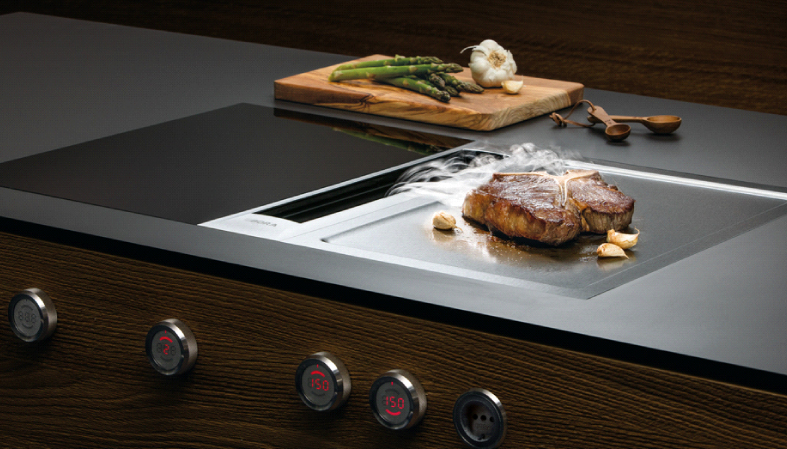

Conclusion: A Legacy of Innovation and the Future of Cooking
The history of appliance ranges is a chronicle not only of technological progress but also of how leading range brands have consistently adjusted to evolving consumer demands and technological opportunities. From Count Rumford’s initial stove design to the technologically advanced and energy-efficient appliances currently provided by leading manufacturers, kitchen ranges have seen significant advancements, consistently transforming the way we prepare food and interact with our kitchens.
Throughout this progression, influential brands such as GE, Whirlpool, Samsung, and AGA have significantly contributed, achieving significant milestones in the development of this indispensable domestic apparatus. With the continuous advancement of technology, we can only speculate about the future prospects of the next generation of kitchen ranges.