
The Silent Revolution in the Kitchen
If you were to travel back a century, the idea of a refrigerator with a freezer would sound like pure science fiction. Before the 20th century, preserving food for long periods required iceboxes packed with ice harvested from frozen lakes or rivers. Freezing as a method of preservation was reserved for the wealthy or the industrially savvy, and it wasn’t until the rise of refrigeration technology that the humble freezer became a mainstay in modern homes.
Fast forward to 2025, and the freezer has evolved from a simple block of ice to a high-tech appliance filled with sensors, smart connectivity, and advanced features that make it an intelligent food guardian. With innovations like frost-free operation, self-regulating temperatures, and app-based controls, freezers have moved far beyond just keeping food cold—they’re now designed to save money, reduce waste, and even track your food inventory. As smart homes become more common, the freezer’s role is shifting even further, making it an integral part of any modern kitchen ecosystem.
In this blog post, we will explore how freezers have evolved over time, from their early days to the AI-powered devices of today. We’ll delve into the history of freezing, key technological innovations, and the future of freezer technology, helping you understand how this once-overlooked appliance has become a guardian of food preservation in the 21st century.
The Ice Age of Freezing: Pre-Refrigeration and Early Freezers
Before the electric freezer, food preservation was a constant challenge. In ancient times, people relied on natural cold storage methods like ice and snow. Early civilizations, from the Egyptians to the Romans, developed rudimentary ice-houses to store ice for food preservation. However, it wasn’t until the late 19th century, with the advent of refrigeration technology, that modern freezing would emerge.
In the early 20th century, commercial freezing technology was primarily used by industries such as fishing and meatpacking. Home freezers were still a distant dream, and people used iceboxes (which were just insulated boxes) to store ice and keep perishables cool. These iceboxes often required regular visits from an ice delivery service to maintain their chilling effect.
The Rise of the Electric Freezer: 1920s–1950s
The 1920s marked the beginning of a new era in refrigeration technology with the introduction of electric freezers for home use. The first home freezers were standalone units, and unlike iceboxes, they were capable of keeping food frozen indefinitely without the need for constant ice delivery.
By the 1940s and 1950s, electric freezers became a common household appliance. Brands like General Electric and Frigidaire pioneered home freezing technology, offering chest freezers that used Freon-based cooling systems. These units were bulky, but they represented the start of a new era in food preservation—freezing as we know it today.
Key Milestone: Introduction of Chest and Upright Freezers
Chest freezers became popular due to their larger storage capacity and efficiency in maintaining low temperatures. As families began to purchase frozen food in bulk, these freezers helped to lower the cost of home meal prep, particularly for working-class families.
Frost-Free Freezers and the Modern Revolution: 1960s–1990s
By the 1960s, freezing technology had made great strides, and the introduction of frost-free freezers represented a huge leap forward. Frost-free models, introduced by brands like Frigidaire and Whirlpool, eliminated the need for manual defrosting, which had long been a hassle for homeowners. These freezers used a fan to circulate air and prevent ice buildup, making freezer maintenance easier than ever before.
During this time, upright freezers began to challenge chest freezers in popularity, thanks to their more convenient, accessible design. The 1980s and 1990s saw the introduction of more energy-efficient models, alongside features like adjustable temperature settings, door alarms, and built-in ice makers.
The Smart Freezer: AI, Sensors, and Connectivity (2000s–Present)
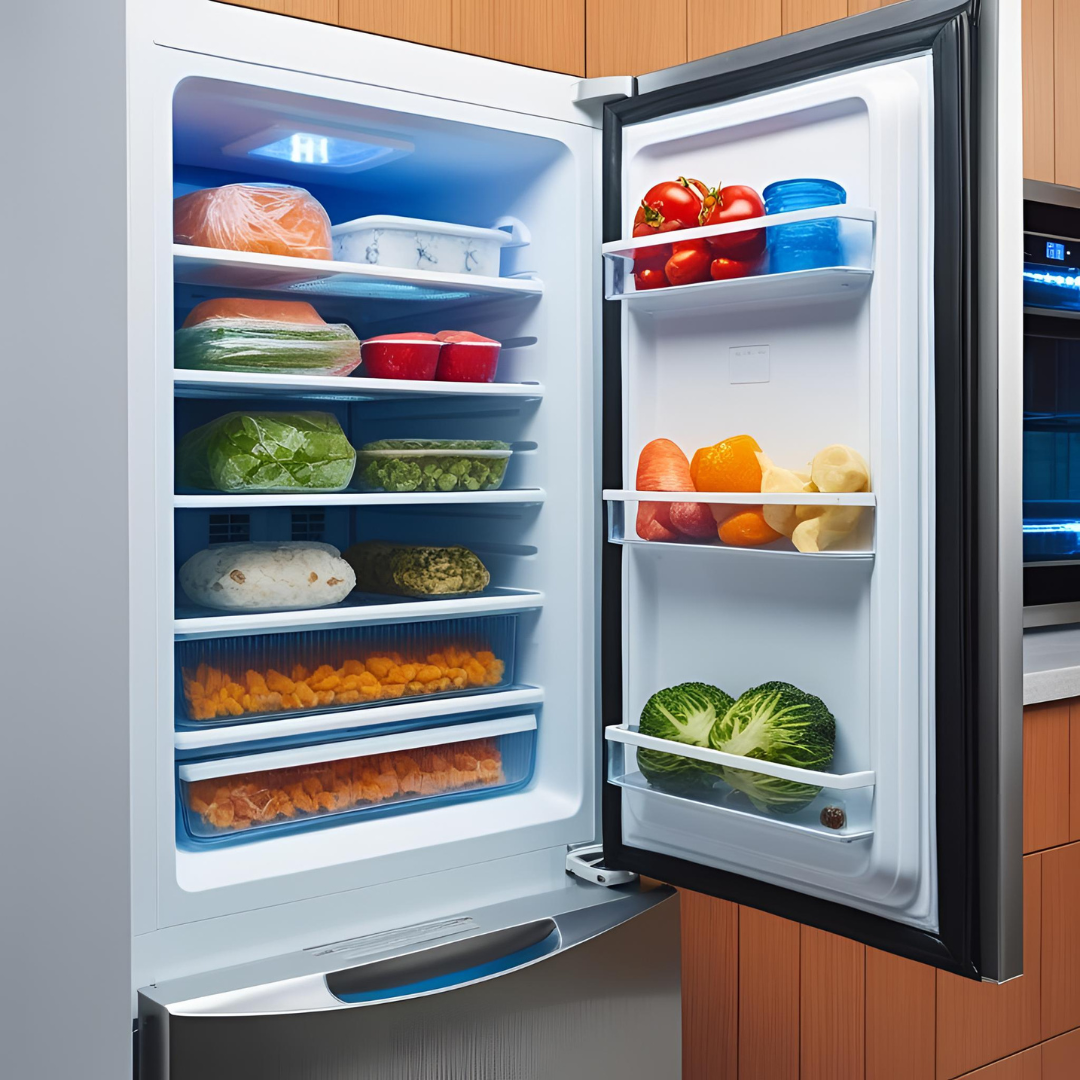
The turn of the millennium brought forth new innovations in freezer technology, particularly with the integration of sensors and Wi-Fi connectivity. Today’s freezers are equipped with intelligent systems that allow homeowners to control temperature, track food inventory, and monitor energy usage—all through smartphone apps. With the integration of AI (artificial intelligence), modern freezers can even suggest storage solutions based on your inventory or alert you when temperatures fall outside optimal ranges.
Brands like Samsung, LG, and Whirlpool have become leaders in this category, offering smart freezers that are part of the connected home ecosystem. For example, Samsung’s Family Hub refrigerator, which features a smart freezer, allows users to monitor and control their freezer remotely.
Key Milestone: The Introduction of Smart Sensors
One of the most exciting developments in modern freezers is the inclusion of smart sensors that monitor temperature fluctuations, energy efficiency, and food condition. These sensors help ensure food remains properly stored and reduce energy consumption, making freezers both smarter and more eco-friendly.
The Future of Freezers: Sustainability, AI, and Integrated Ecosystems
Looking ahead, the future of freezers is intertwined with larger trends in sustainability and smart technology. In the next few years, expect even greater advancements in AI integration and eco-friendly solutions. Energy-efficient models powered by advanced sensors will further reduce energy waste, while connected home ecosystems will provide seamless interaction between kitchen appliances.
Smart freezers in 2025 and beyond are likely to offer even more sophisticated features, such as:
- Predictive defrosting: Using sensors to detect food load and adjust defrost cycles accordingly, reducing energy waste.
- Automated inventory management: Enhanced integration with grocery delivery apps to keep your freezer fully stocked with fresh ingredients.
- Advanced AI cooking assistants: Offering suggestions for meals based on what’s currently in your freezer.
Conclusion: The Intelligent Freezer of Tomorrow
From their early days as iceboxes to their current role as connected, AI-powered appliances, freezers have come a long way. Today’s freezers are no longer just simple cold-storage boxes—they’re intelligent food guardians that actively contribute to sustainability, convenience, and energy savings. As smart home ecosystems continue to grow, freezers will become even more integrated into daily life, helping homeowners make more informed choices about food storage, energy use, and meal planning.
The freezer’s evolution from a block of ice to a smart, eco-conscious appliance mirrors the broader trend of technology enhancing daily life. As we move into the future, the freezer is poised to play an even more critical role in the modern kitchen, ensuring our food stays fresh, our energy consumption stays low, and our kitchens remain at the cutting edge of technology.