

The refrigerator, which keeps our food fresh, is one of the most important appliances in our ever-changing kitchen appliance landscapes, pushing innovation to the forefront of design. Among the wide variety of refrigerator designs, the whole refrigerator category is notable for its dedication to optimizing refrigeration capacity. This tutorial tries to explain what full refrigerators are all about, who should use them, and what kind of people they are best for.
In the realm of full refrigerators, consumers are presented with an abundance of features designed to satisfy specific requirements. These refrigerators, made possible by technological developments, have sophisticated temperature control, moisture management, and even built-in cameras that allow you to quickly check inside without opening the door. An interior layout can now be easily customized to match the user’s interests and lifestyle thanks to the proliferation of configurable choices. The full refrigerator offers itself as a versatile option, able to meet the particular requirements of many households, whether it’s a large family in need of substantial storage for their groceries or a food enthusiast who appreciates freshness in their supplies. Full refrigerators are being positioned as both an environmentally sustainable option and a useful kitchen appliance due to the increasing focus on sustainability among manufacturers. These features encourage energy efficiency and the use of environmentally friendly refrigerants. The complete refrigerator is a sophisticated, multipurpose, and essential component of the modern kitchen due to its seamless combination of eco-consciousness, versatility, and new features.

Defining the Full Refrigerator
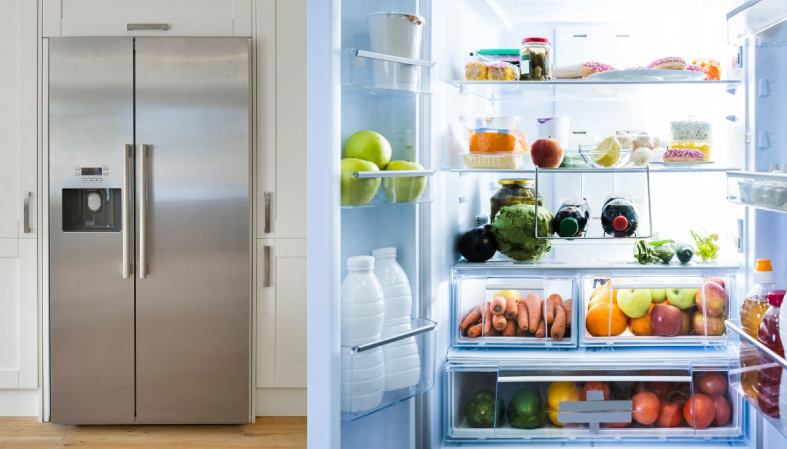
A complete refrigerator is distinguished by its sole focus on refrigeration; it eschews the freezer section in favor of an extensive cooling area. With a large, even cooling area throughout, this design is perfect for preserving fresh food.
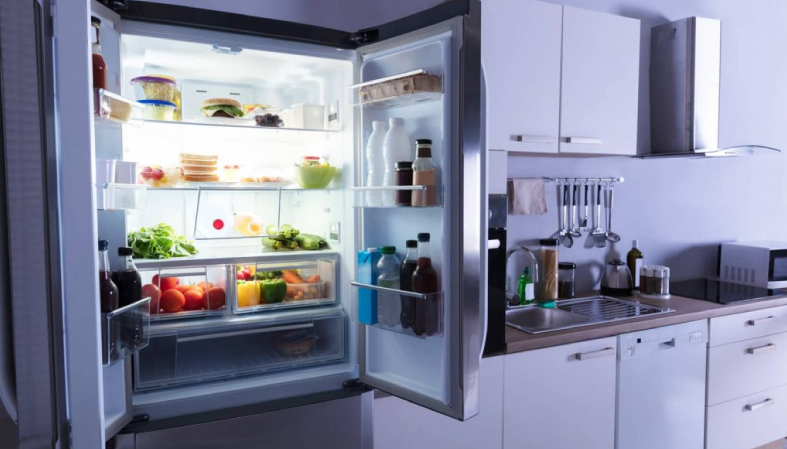
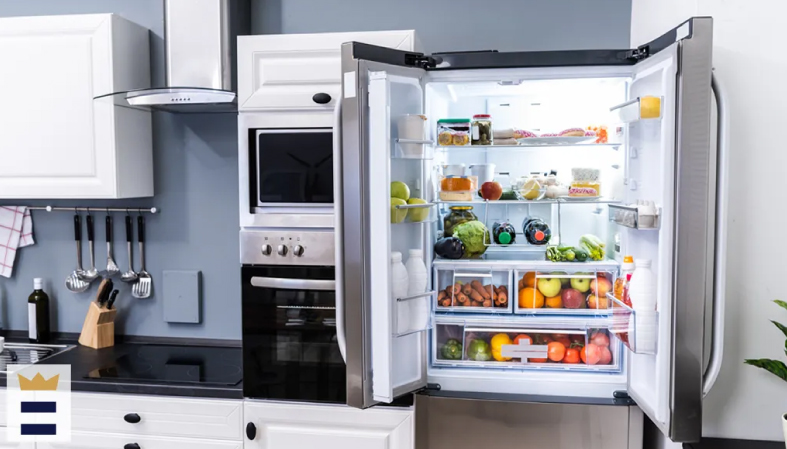
This kind of refrigerator serves people who appreciate having a large quantity of room for their perishables, fresh produce, and beverages. With the goal of optimizing refrigerated space, these units usually have adjustable shelves, crispers with humidity control, and different door bins to accommodate food products of varied sizes. By taking off the freezer compartment, the inside space may be used more wisely, allowing for improved grocery organization and quick access to fresh goods. This method not only increases the effectiveness of storage but also helps to keep the interior of the refrigerator tidy and appealing, making inventory management easier for users and reducing food waste.
Target Audience: Who and Why?
- Large Families or Common Living Areas: Designed to meet the substantial refrigeration needs of larger households or shared accommodations, these refrigerators are perfect for environments where there is a significant consumption of fresh goods.
- Culinary Experts: To guarantee the freshness of their produce, professionals in the culinary arts and food enthusiasts who stress the value of fresh ingredients frequently choose fully stocked refrigerators.
- Commercial Venues: Full refrigerators are very helpful for the operations of restaurants, cafeterias, and other enterprises that need to store fresh food in volume.
- People with Independent Freezer Solutions: A complete refrigerator completes their setup by catering just to refrigeration demands. This is ideal for people who wish to have a separate, freestanding freezer.
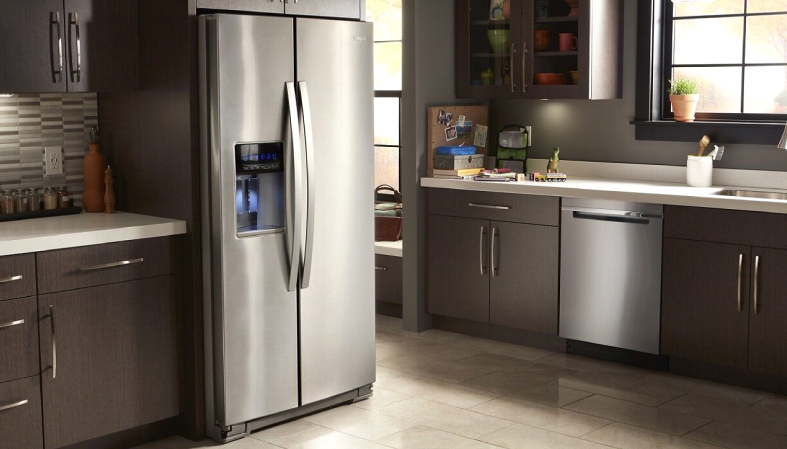

Styles, Types, and Sizes: A Platter of Choices
Styles and Types
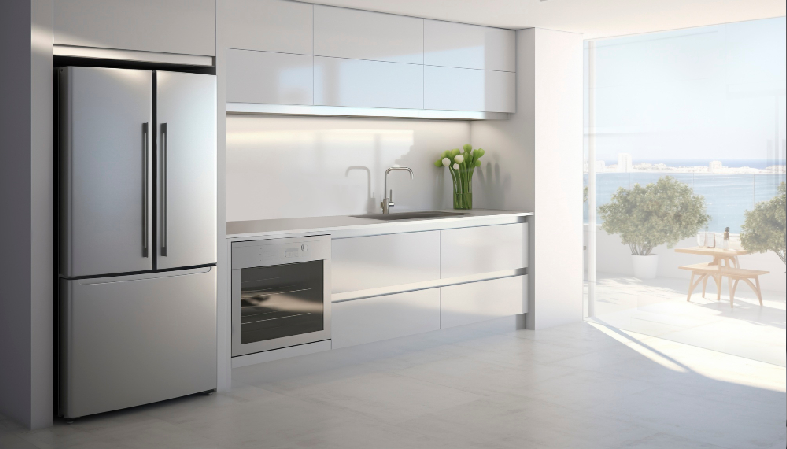
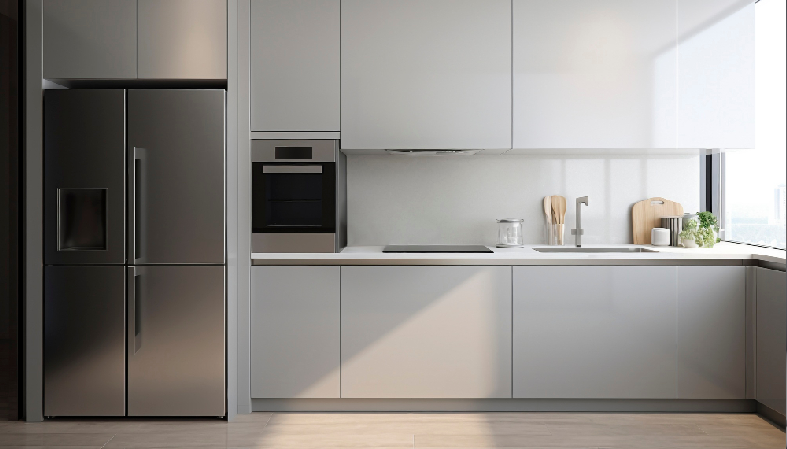
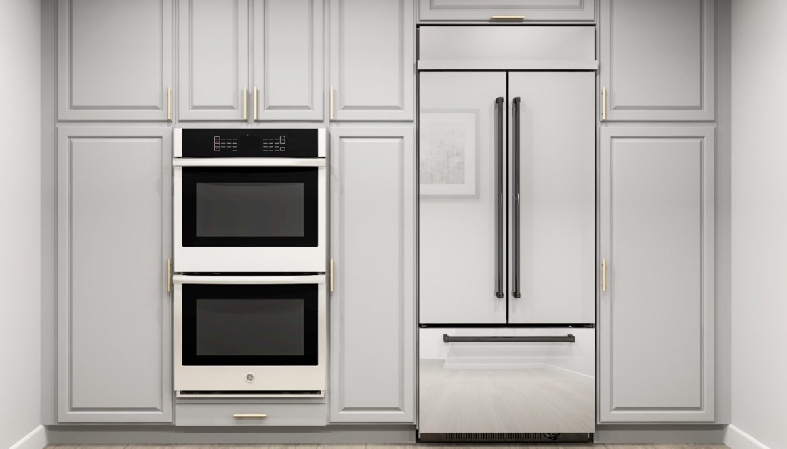
- Built-in refrigerators: These appliances are expertly integrated into kitchen cabinets to create a streamlined and sophisticated look that improves the room’s overall visual appeal.
- Freestanding refrigerators: Conventional types with independent positioning that offer location and design flexibility.
- Column Refrigerators: With their tall and slim shape, these refrigerators are suited to fit into small kitchen areas or next to matching freezer columns, providing a coordinated and room-saving option.
Sizes
- Compact: These units, which usually have a capacity of 10 to 15 cubic feet, are appropriate for smaller homes or as backup refrigerated choices.
- Standard: With a capacity of 16 to 24 cubic feet, these refrigerators are suitable for the majority of family sizes and provide a generous amount of storage space.
- Broad: These refrigerators, whose capacity surpass 24 cubic feet, are intended for use in commercial settings or by large families with significant refrigeration requirements.
Colorful Aesthetics and Finishes
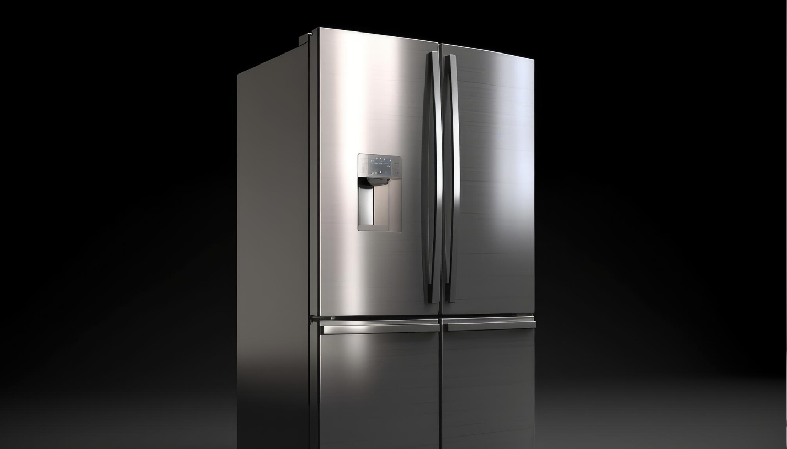
- Classic Tones: For a timeless and adaptable look, go with classic hues like white, black, or stainless steel.
- Modern Elegance: Give your kitchen a refined touch by embracing modern sophistication with finishes like chrome, brushed steel, or matte surfaces.
- Custom Panels: Look at premium models that provide the opportunity to have panels customized. This will enable the refrigerator to blend in perfectly with the cabinetry for a unified and customized appearance.
Leading Brands Illuminating the Path
- Sub-Zero: Acclaimed for its high-end column and integrated refrigeration units, Sub-Zero meets the needs of discriminating consumers who value kitchen aesthetics and food preservation with precision engineering and inventive design.
- Bosch: With a wide choice of integrated and freestanding refrigerator options, Bosch dazzles with cutting-edge cooling technology that protects your perishables and combines modern performance with elegant design for the ultimate kitchen experience.
- Thermador: Known for its adaptable column refrigeration systems, Thermador is the industry leader in kitchen elegance and customization. Thermador takes cooking to new levels with its emphasis on innovative technologies and clever design.
- Frigidaire: Known for its robust and roomy refrigeration solutions that can be customized to meet a variety of demands, Frigidaire is a prime example of innovation in appliances because of the way that cutting-edge technology and aesthetically pleasing design come together harmoniously.
Capacity Types: Categorized by Need
- Moderate Capacity: These refrigerators are ideal for smaller living spaces where maximizing floor space is crucial since they have an emphasis on efficiency and compactness.
- Large Capacity: These refrigerators, which prioritize huge storage capacities, are perfect for homes that need to refrigerate a lot of food and drink. They have enough room to contain a lot of food and drinks.
Feature Types: The Modern-Day Essentials
- Adjustable Shelving: Designed to maximize space efficiency, movable shelves allow for flexible storage arrangements by repositioning to accommodate items of varied shapes and sizes.
- Temperature Zones: Having separate sections with adjustable temperatures, temperature zones offer the best conditions for various food kinds, guaranteeing their freshness for extended periods of time.
- Drawers with Humidity Control: By preserving the proper moisture content, these drawers prolong the life of fruits and vegetables by halting premature wilting or spoiling.
- Door Alarms: Improving energy efficiency, door alarms alert consumers when the refrigerator door is left open. This reduces energy waste and keeps the appliance’s temperature constant.
Concluding Remarks
Among kitchen appliances, full refrigerators are unique because they serve a particular type of customer, which can include both busy homes and foodies. They stand out for their unwavering commitment to optimizing fresh food storage, emphasizing a commitment to freshness and capacity over freezing capabilities. The predominance of specialty equipment such as complete refrigerators in today’s constantly changing kitchens highlights how important it is to customize areas to suit individual needs and preferences. A full refrigerator should take into account the specific needs of each person’s lifestyle or establishment while balancing capacity, functionality, and aesthetics. This guarantees that the selected appliance contributes to a smooth and pleasurable cooking experience by improving functionality as well as matching the kitchen’s general design and workflow.