

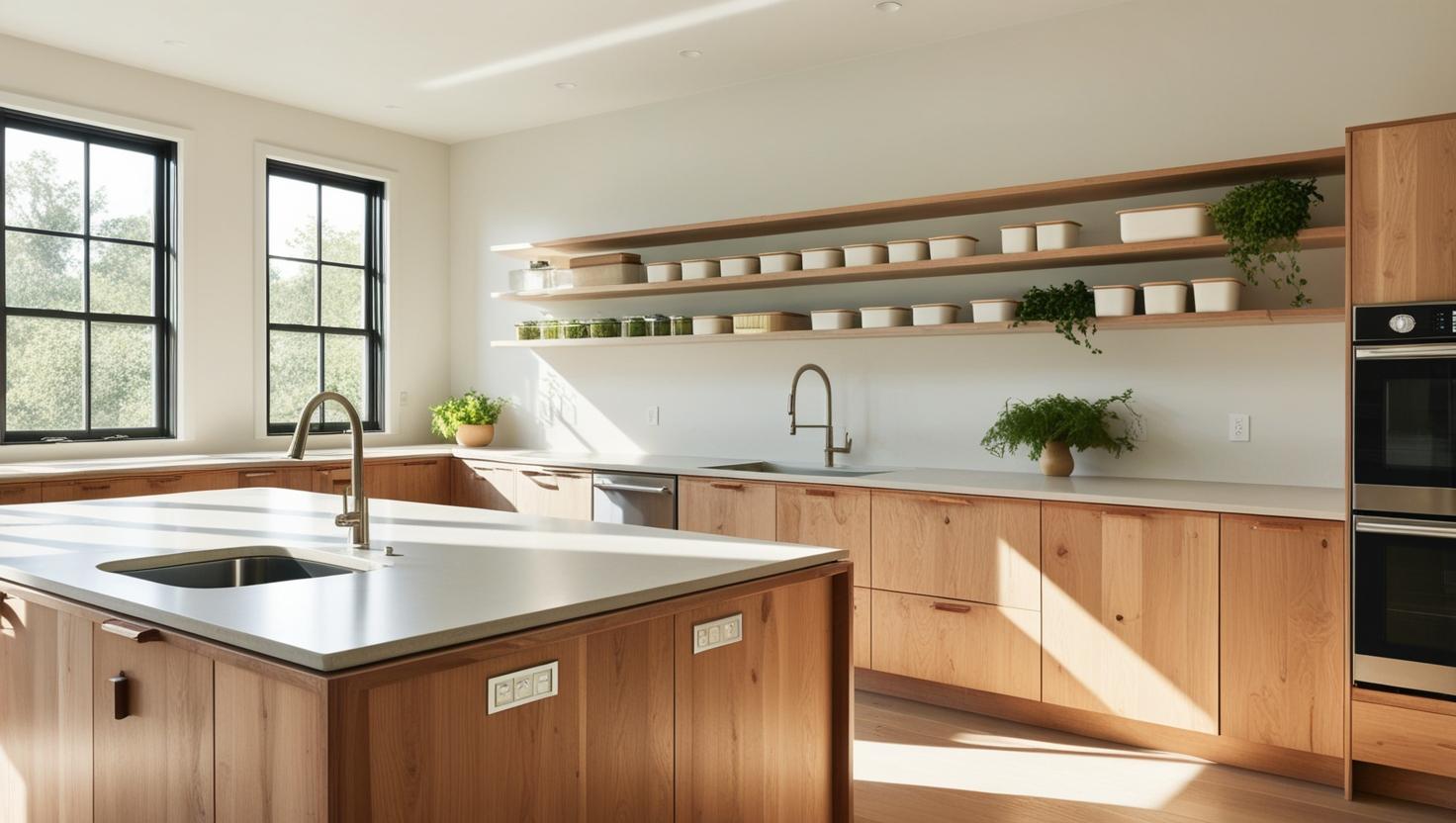
Let’s talk about your kitchen.
Not just the part where the cookies live or where you channel your inner sous-chef during a pasta night—no, let’s talk about the kitchen as the heartbeat of your home. It’s where meals are made, stories are shared, coffee is brewed, and snacks mysteriously disappear. But did you know it’s also one of the most energy-intensive and waste-producing rooms in the entire house?
Now imagine a kitchen that not only feeds you but feeds the planet too.
Enter: The Sustainable Kitchen—a stylish, efficient, and conscious culinary kingdom that serves flavor with a side of eco-responsibility. Whether you’re starting from scratch or retrofitting your space one bamboo spoon at a time, this guide will whisk you through everything you need to know about going green in the most delicious room in the house.
What Is a Sustainable Kitchen, Anyway?
Think of a sustainable kitchen as a kitchen with a conscience.
It’s not just about swapping out plastic straws or composting carrot peels (though, yes—those things count). A sustainable kitchen is designed, equipped, and operated with the environment in mind. It reduces waste, conserves energy, supports healthier lifestyles, and, when done right, looks drop-dead gorgeous doing it.
The Three Core Pillars:
- Resource Efficiency – Using appliances, water, and energy more wisely.
- Waste Reduction – Minimizing food waste, packaging waste, and kitchen disposables.
- Conscious Material Choices – From recycled countertops to FSC-certified cabinets, it’s all about thoughtful sourcing.
A sustainable kitchen isn’t a trend. It’s a lifestyle—one that’s growing faster than you can say “compost caddy.”
What Makes a Kitchen Truly Sustainable? Let’s Break It Down.
Building a sustainable kitchen doesn’t require tearing everything out and starting over. Instead, it’s about understanding the elements that work with the planet—not against it.
1. Energy-Efficient Appliances
The fridge, the oven, the dishwasher—they’re your kitchen workhorses. But they can also be energy hogs.
Look for:
- ENERGY STAR-rated appliances (they use up to 50% less energy).
- Induction cooktops instead of gas (they’re cleaner, faster, and safer).
- Efficient refrigerators with inverter compressors that adjust energy use based on need.
Bonus: Not only do they use less electricity, they often save you money over time.
2. Sustainable Materials
Think beyond granite.
- Recycled glass or paper countertops offer character and eco-cred.
- Bamboo or reclaimed wood cabinetry gives rustic warmth without harming forests.
- Natural linoleum or cork flooring is biodegradable and wonderfully underfoot.
Even your backsplash can go green—recycled tiles, anyone?
3. LED Lighting
Lighting may not be sexy, but it’s one of the easiest ways to reduce your footprint. LEDs use 75% less energy and last 25 times longer than incandescent bulbs. That’s a lot of light with a lot less guilt.
4. Water-Saving Fixtures
No, you don’t have to ration water like it’s gold, but installing a low-flow faucet or an aerator can cut your water use in half—without sacrificing performance.
Pair it with an efficient dishwasher and you’re practically a water hero.
5. Composting and Recycling Stations
Out of sight shouldn’t mean out of mind.
Create dedicated stations for:
- Food scraps (for composting)
- Paper, plastics, metals (for recycling)
- Reusables (like cloth napkins or silicone food bags)
Make sustainability as convenient as tossing something in the trash—and your whole household is more likely to follow suit.
How Can Consumers Be More Eco-Conscious in the Kitchen?
You don’t need a renovation budget or a degree in environmental science. You just need a few good habits and some smart swaps.
Start Here:
1. Buy Smart, Not More
Choose fewer, better-quality items. Avoid trendy gadgets that collect dust (looking at you, avocado slicer). Opt for multi-use tools like cast iron skillets, immersion blenders, and dutch ovens.
2. Meal Plan and Shop with Purpose
Food waste is a global crisis—and most of it starts right at home. Plan your meals, use a shopping list, and store food properly to extend freshness. Eat leftovers, freeze extras, and get creative with odds and ends.
3. Ditch the Single-Use Stuff
Replace:
- Paper towels with washable cloths
- Plastic wrap with beeswax wraps
- Disposable containers with glass or stainless steel
These little swaps add up—and look better on your counter, too.
4. Support Local and Seasonal
That tomato from Argentina may look juicy, but its carbon footprint is the size of a small car. Buy local, seasonal produce whenever possible. You’ll cut down on emissions and support your local economy.
5. Cook More, Order Less
Takeout = packaging waste galore. Cooking at home gives you control over ingredients, portions, and waste—and it turns into a daily act of sustainability.
What Are the Real Benefits of a Sustainable Kitchen? (Besides Feeling Like a Superhero)
Sure, saving the planet is a big deal. But the perks don’t stop there.
1. Lower Utility Bills
Energy- and water-efficient appliances aren’t just eco-friendly—they’re wallet-friendly. Over time, they pay for themselves in savings.
2. Healthier Living
Sustainable kitchens are typically lower in toxins and plastics, which means cleaner air and safer food storage. Add in more home-cooked meals and local produce, and you’ve got a recipe for better health.
3. Long-Term Value
Green upgrades increase home value. Buyers today are looking for energy savings, smart water use, and eco-conscious materials. It’s an investment in the future—in every sense.
4. Less Waste, Less Guilt
There’s something deeply satisfying about using what you have, wasting less, and knowing your choices matter. That emotional payoff is real—and contagious.
5. It Just Feels Good
Knowing your home is aligned with your values creates a sense of pride and peace. And honestly? That feels even better than the perfect omelet.
Designing Your Dream Green Kitchen: Where to Start
A sustainable kitchen isn’t a one-size-fits-all formula—it’s a personal journey. But here are some steps to get you going:
Step 1: Audit Your Current Space
- Is your fridge from the Jurassic era?
- Are your countertops made from mystery materials?
- Do you toss food weekly?
Be honest—it helps you know where to improve.
Step 2: Set Priorities
Maybe it’s composting. Maybe it’s updating your lighting. Maybe it’s replacing your wasteful dishwasher. Pick one or two goals to start with and build from there.
Step 3: Think Long-Term
Not everything needs to happen at once. Plan phased upgrades over months or years. Small changes compound.
Step 4: Make It Beautiful
Sustainable doesn’t mean sacrificing style. Earth-friendly materials can be chic. Upcycled elements can become conversation pieces. Let your kitchen reflect you—just the greener, smarter version.
The Kitchen That Cares
A sustainable kitchen isn’t just a greener kitchen. It’s a smarter one. A more thoughtful one. One that cooks up flavor while serving the planet on the side.
It’s where LED lights shine on salvaged wood, where energy-efficient ovens bake zero-waste brownies, and where your compost bin quietly changes the world—banana peel by banana peel.
This is the kitchen of the future. And the best part? You don’t have to wait for it.
Because the future, as it turns out, is already simmering on your stove.