

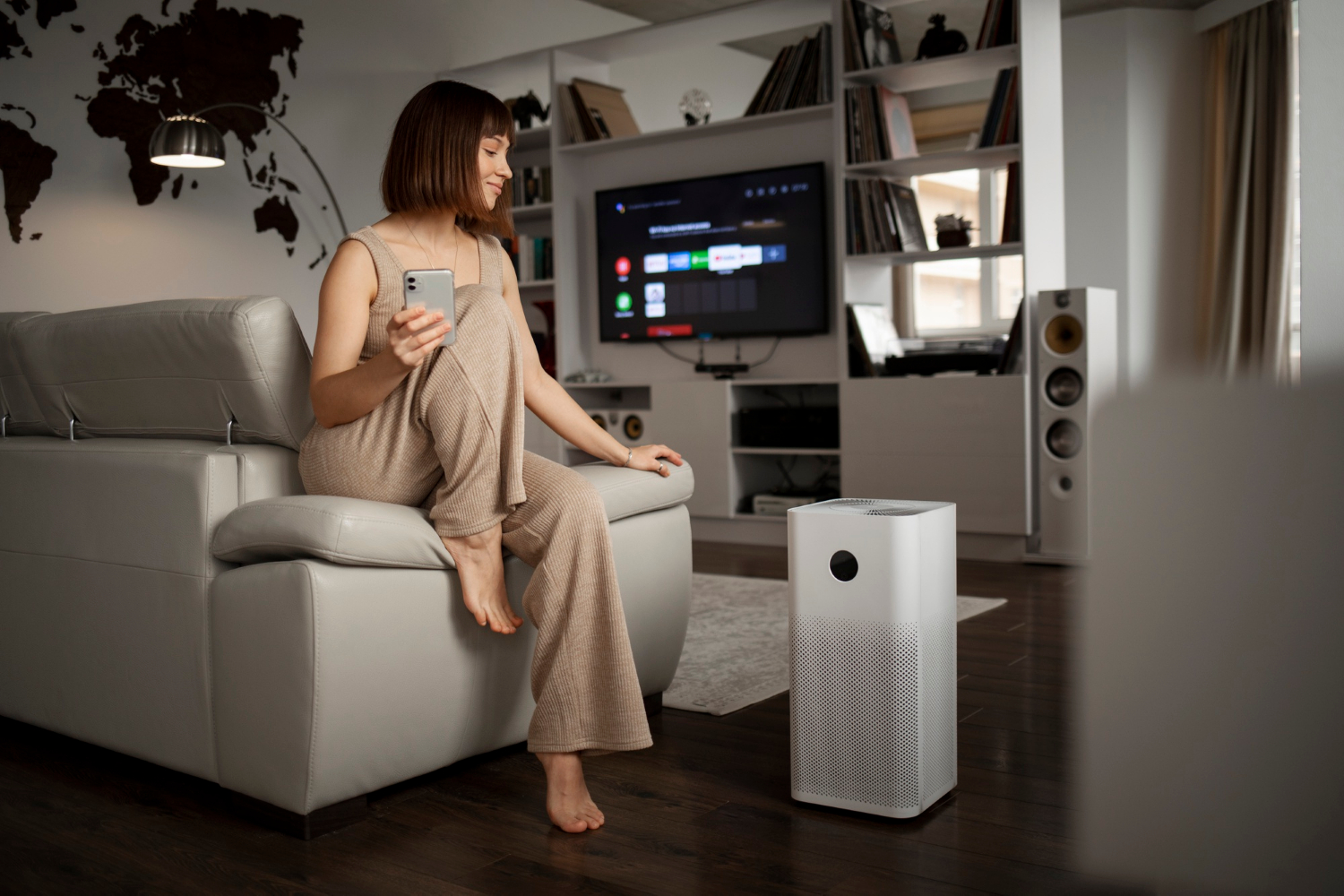
Introduction to Air Purifiers
Air purifiers, an essential advancement for improving indoor air quality, have seen significant advances since they were first introduced. Air purifiers, originally created for dust filtration, have evolved into advanced machines that target a wide range of air contaminants. This page explores the history, types, features, and top brands of air purifiers, providing a comprehensive guide for those seeking to enhance their indoor air quality.
Recently, growing recognition of the influence of indoor air quality on health has elevated the air purifier market to new levels. As awareness grows about the need of breathing clean air, technological breakthroughs are fueling innovation in the air purification sector. Contemporary air purifiers are equipped with advanced features including smart sensors, several filtering layers, and the capability to focus on particular pollutants such as allergens, fumes, and volatile organic compounds (VOCs). This rise in pollutants demonstrates a duty to address a wide range of air quality issues beyond only particle removal. Upon analyzing the varied array of air purifiers, it becomes clear that they are now essential for maintaining a healthy living space, rather than merely a luxury.

The Evolution of Air Purifiers: A Historical Perspective
- Early Beginnings: Air filtration, involving basic masks and respirators, originated in the 19th century.
- Mid-20th Century Advances: The creation of High-Efficiency Particulate Air (HEPA) filters during World War II was a crucial advancement that paved the way for the contemporary air purifier.
- 21st Century Innovations: The latest advancements include the integration of IoT, sophisticated sensors, and eco-friendly designs.
Essential Features of Air Purifiers
- HEPA Filters: These filters are capable of capturing 99.97% of particles that are as small as 0.3 microns. Their exceptional filtering capability ensures that even the tiniest pollutants like dust, pollen, and pet dander are effectively captured, enhancing indoor air quality.
- Activated Carbon: Utilized for adsorbing gasses and smells. Activated carbon in air purifiers has purposes beyond particle filtration. This material has a high capacity for adsorbing gasses and scents, making it an effective alternative for eliminating unpleasant smells. Activated carbon chemically bonds with contaminants to purify the air and create a fresh and pleasant aroma.
- UV-C Light: Eliminates germs and viruses. UV-C light technology provides further protection by actively eliminating bacteria and viruses. This revolutionary feature surpasses filtration by providing a proactive method for air sanitization. UV-C radiation is highly efficient at deactivating biological pollutants, therefore improving the safety and cleanliness of indoor spaces.
- Smart Sensors: Identify and modify settings according to air quality. The integration of intelligent sensors is revolutionary in the field of air purifiers. The sensors detect immediate changes in air quality and alter the purifier settings accordingly. This adaptive algorithm guarantees efficient execution by adjusting to fluctuating pollution levels, providing consumers with reassurance. Air purifiers equipped with smart sensors offer convenient automated adjustments, enhancing comfort and utility in any environment.
- Noise Level: Crucial for user comfort, particularly in domestic environments. User comfort is of utmost importance in residential environments. The noise level of an air purifier is crucial for creating a tranquil and calm living space. Striking the perfect mix between effective air purification and low noise levels is crucial. Manufactufacturers acknowledge this requirement, and numerous contemporary air purifiers are designed with noise reduction capabilities, enabling consumers to experience clean air without compromising tranquility in their residences.
Pricing and What to Expect
Entry-Level Models: Usually priced around $50-$150, suitable for small spaces.
Mid-Range Models: Range between $150-$400, offering better features and coverage.
High-End Models: Above $400, these often include advanced features like smart technology and larger coverage areas.
The Necessity of Air Purifiers
Air purifiers are essential for:
Allergy and Asthma Relief: They reduce allergens like pollen and pet dander.
Combatting Pollution: Essential in urban areas with high pollution levels.
Removing Odors: Helpful in kitchens or areas with pets.
Health Benefits: Improve overall air quality, contributing to better respiratory health.
Functions and Operation
Air Filtration: Removing particles, allergens, and pollutants from the air.
Air Quality Monitoring: Many modern purifiers can monitor and report air quality.
Automatic Adjustments: Adjusting settings based on air quality levels.
Renowned Brands Through History
Early Innovators: Companies like Honeywell and Holmes were pioneers.
Contemporary Leaders: Dyson, Blueair, and Coway lead with innovative designs and technology.
Emerging Players: Brands like Levoit and Xiaomi are gaining popularity with smart, affordable models.
Types of Air Purifiers and Their Differences
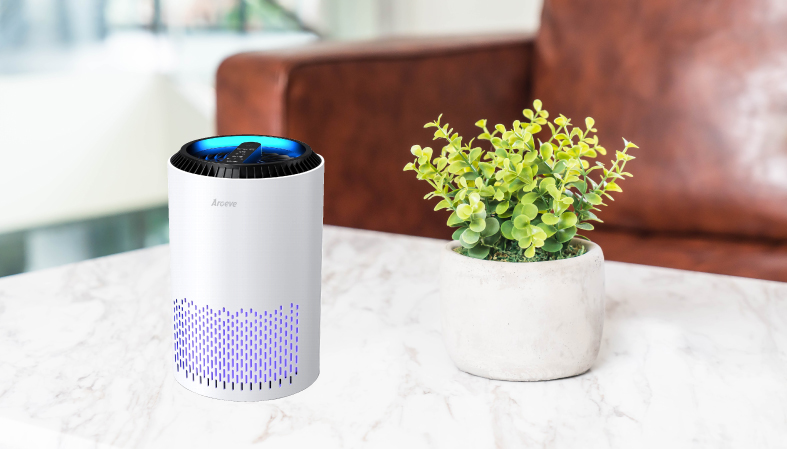
HEPA Purifiers: Best for allergens and small particles.

Ionic Purifiers: Use ions to attract pollutants but may produce ozone.

UV Purifiers: Target microorganisms but less effective on particles.

Ozone Generators: Used for strong odors but controversial due to ozone emission.

Hybrid Models: Combine features from different types for comprehensive purification.
Conclusion
Air purifiers are now essential for ensuring healthy indoor air quality. They have progressed from basic filters to sophisticated, intelligent gadgets that cater to a wide range of requirements. Comprehending the many categories, characteristics, and manufacturers aids in choosing the appropriate air purifier for your area.
Air purifiers not only enhance indoor air quality but also significantly reduce the concentration of airborne contaminants, therefore promoting general well-being. As our knowledge of the effects of indoor air pollution on health expands, the demand for efficient air purification technologies is increasing. Air purifiers can alleviate respiratory problems, improve sleep quality, and provide a more comfortable living environment in addition to eliminating allergens, dust, and pollutants. With technological advancements, future air purifier models will likely provide more novel features and enhanced efficiency, reinforcing their significance as crucial devices for enhancing indoor air quality and comfort.