

Overview
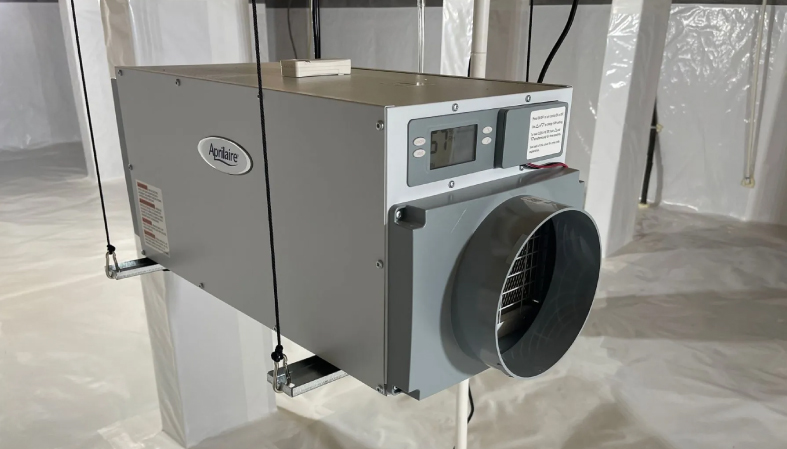
Dehumidifiers are necessary devices that lower humidity levels in the air, which is important for preventing mold growth and creating a pleasant environment. They are essential in both residential and industrial settings, playing a crucial role in contemporary living.
Dehumidifiers are available in a variety of forms and sizes to meet different requirements and environments. The desiccant dehumidifiers utilize a chemical substance to extract moisture from the air, proving to be efficient in lower temperatures. Compressor-based dehumidifiers are more suited for hot areas since they remove moisture by cooling the air. Additionally, there are portable dehumidifiers designed for small areas and whole-house systems that provide complete humidity regulation. Some models come with modern features like integrated air purifiers and smart technology, allowing users to remotely monitor and change humidity levels. Ongoing technological improvements are enhancing the efficiency, energy-saving capabilities, and overall performance of these appliances due to the increasing demand for them. Dehumidifier technology’s adaptability and innovations make them widely used in homes, workplaces, basements, warehouses, and many industrial environments.

The Evolution of Dehumidifiers
1. Early Beginnings:
Dehumidifiers have been in existence since the early 1900s. Willis Carrier, famous for creating contemporary air conditioning, introduced the initial dehumidifier to regulate air moisture in industrial settings.
2. Technological Advancements:
Dehumidifiers have seen substantial evolution over the decades. In the mid-20th century, tiny and portable devices appropriate for domestic usage were introduced. Technological progress has resulted in the development of more energy-efficient, quieter, and smarter models equipped with digital controls.
Features of Dehumidifiers
Dehumidifiers come with various features:
- Humidity Control: Customizable controls to regulate humidity levels as needed.
- Auto Shut-Off: Shuts down the device whenever the set humidity level is achieved or when the water tank reaches full capacity.
- Filter Indicator: Notifies when the filter requires cleaning or replacement.
- Energy Efficiency: Contemporary dehumidifiers are created to reduce energy usage.
Pricing and Affordability
Dehumidifier prices fluctuate depending on dimensions, capability, and characteristics. Entry-level devices are cost-effective and ideal for compact areas, whilst premium units with sophisticated functionalities may come at a higher price.
Aside from size, capacity, and dehumidifier features, brand reputation and build quality also influence dehumidifier prices. Well-known and respected dehumidifier companies with a proven track record of creating long-lasting and dependable equipment typically have higher pricing. Although they may have a higher initial price, they offer long-term value and peace of mind. Conversely, lesser-known brands or budget solutions may provide more affordable selections. Buyers should thoroughly evaluate reviews and ratings to confirm that performance and reliability meet their expectations. The wide variety of dehumidifiers available in the market accommodates various budget limitations and preferences, enabling users to discover the ideal solution for their specific requirements.
Uses and Importance
Dehumidifiers are used to:
- Prevent mold and mildew growth.
- Reduce allergens and improve air quality.
- Protect home structures and furniture from moisture damage.
- Enhance comfort in humid climates.
Functions of Dehumidifiers
Dehumidifiers function by pulling humid air across chilled coils, causing the moisture to condense and be gathered in a reservoir or drained off. They successfully sustain a healthy and pleasant interior atmosphere.
Aside from regulating moisture levels, there are additional functions of a dehumidifier that enhance the health and comfort of a living area. One significant advantage is the prevention of mold and mildew proliferation. Dehumidifiers provide an inhospitable environment for hazardous bacteria by reducing excess moisture in the air. Mold and mildew flourish in moist environments, potentially causing various health concerns such as respiratory disorders and allergies. Dehumidifiers safeguard indoor air quality and enhance the safety of the living environment.
Dehumidifiers also help safeguard property and possessions. Prolonged exposure to high levels of humidity can cause harm to furniture, computer devices, clothing, and other costly belongings. Dehumidifiers preserve valuables by maintaining ideal humidity levels, therefore prolonging their lifespan and decreasing the need for expensive replacements or repairs due to moisture-related damage.
Dehumidifiers offer a wide range of functions that go beyond just controlling moisture, including promoting health, ensuring safety, and protecting valuables in indoor environments.
Top Brands Through Time
Historically Significant Brands include:
- Carrier: Pioneer in the field.
- Frigidaire: Known for reliable residential units.
- Honeywell: Offers a range of efficient and user-friendly models.
- De’Longhi: Renowned for stylish and powerful dehumidifiers.
Recent Top Brands include:
- LG: Innovating with smart technology.
- GE Appliances: Combining efficiency with durability.
Types of Dehumidifiers and Their Differences

-
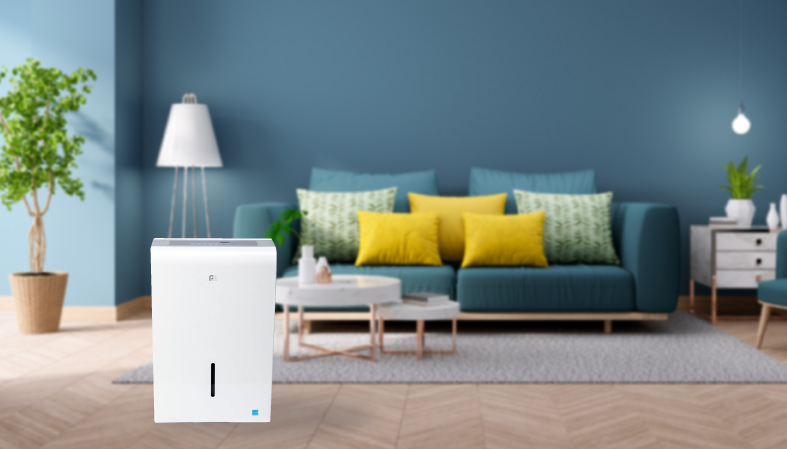
- Refrigerant (Compressor) Dehumidifiers: Ideal for warmer climates; work by cooling air to remove moisture.
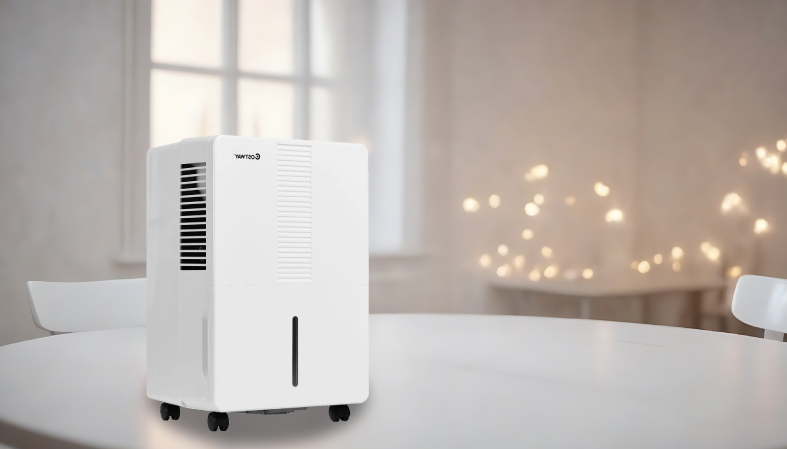
- Desiccant Dehumidifiers: Better for cooler temperatures; use a desiccant material to absorb moisture from the air.
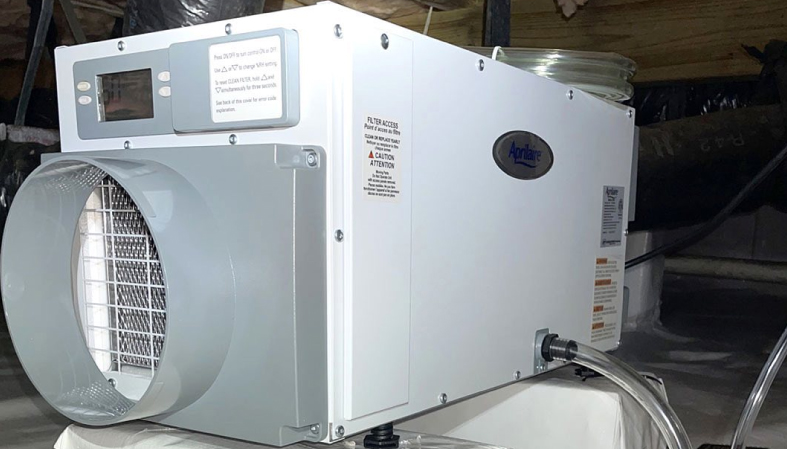
- Whole-House Dehumidifiers: Integrated into HVAC systems for comprehensive moisture control.
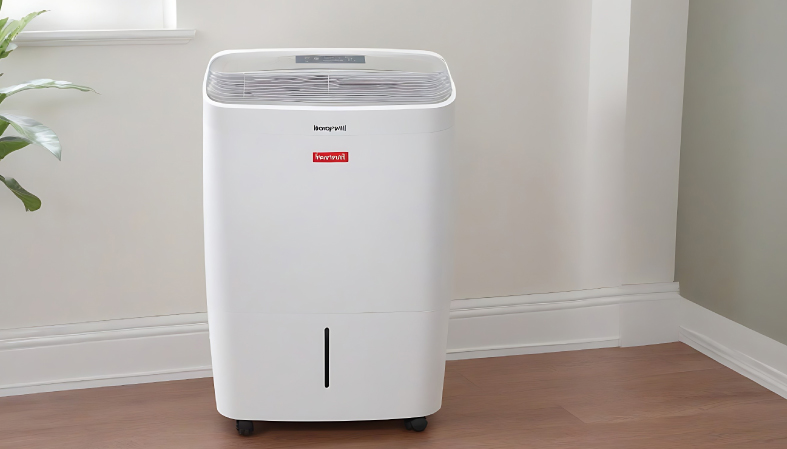
- Portable Dehumidifiers:Compact and suitable for specific rooms or small spaces.
Conclusion
Dehumidifiers have advanced significantly since their creation, developing into complex devices that meet a range of demands and tastes. By comprehending the history, varieties, and characteristics of dehumidifiers, users may make well-informed judgments that meet their own humidity control needs.
Technological advancements and growing environmental consciousness have led to the creation of eco-friendly dehumidifiers. Manufacturers are currently incorporating energy-efficient technologies and eco-friendly materials in their production processes. This change is in line with the increasing worldwide emphasis on sustainability and encourages consumers to select items that minimize their carbon footprint. In the future, dehumidifiers are expected to focus more on eco-friendly design and operation to meet the increasing need for sustainable solutions. This will provide customers with efficient humidity control options that support a more environmentally friendly world.