

Introduction: A Culinary Revolution
The history of the cooktop extends over thousands of years, showcasing the resourcefulness and cultural development of humans. From ancient fireplaces to contemporary induction cooktops, every advancement has influenced the manner in which we prepare meals and engage with food. In antiquity, culinary practices revolved around the utilization of open fires, where cooking vessels were positioned directly over flames or heated coals. This primitive technique endured for millennia, exhibiting modifications across many civilizations and countries. The introduction of covered stoves represented a notable breakthrough, offering enhanced regulation of heat and safer conditions for cooking. The initial stoves, powered by wood or coal, established the basis for contemporary cooktops. The advent of gas cooktops in the 19th century brought about a significant transformation in cooking by providing immediate heat and accurate temperature regulation. Gas burners rapidly became a fundamental component in kitchens around the globe, providing chefs with enhanced versatility and effectiveness.
Electric cooktops were introduced in the 20th century, bringing additional advancements. Glass surfaces with a smooth texture have taken the role of conventional burners, providing a modern and stylish appearance while also making the cleaning process more convenient. Induction cooktops, utilizing electromagnetic technology, have just emerged as a cutting-edge innovation, offering fast heating and high energy efficiency. Currently, cooktops are available in a wide range of designs and technology, specifically designed to accommodate different cooking tastes and kitchen styles. Gas, electric, and induction stoves each have distinct advantages and capabilities, showcasing the continuous pursuit of culinary perfection. As we commemorate the extensive past of the cooktop, we acknowledge its lasting importance in our everyday existence. The cooktop, ranging from traditional fireplaces to modern induction surfaces, continues to be a representation of ingenuity and imagination in the realm of cooking.

The Dawn of Controlled Cooking: Ancient Origins
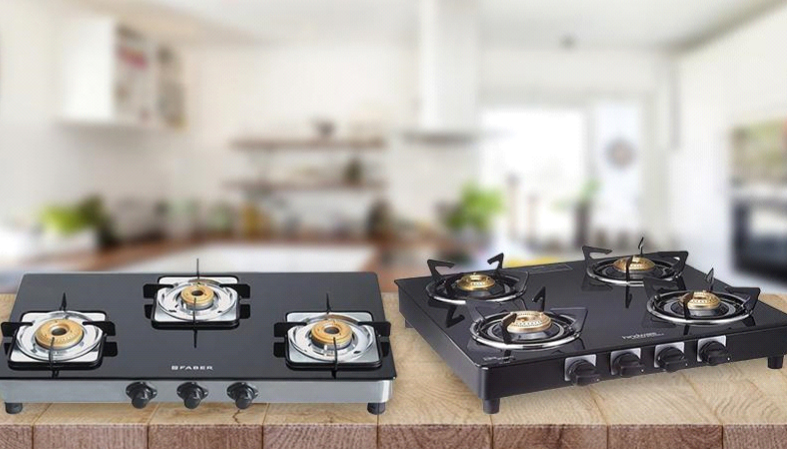
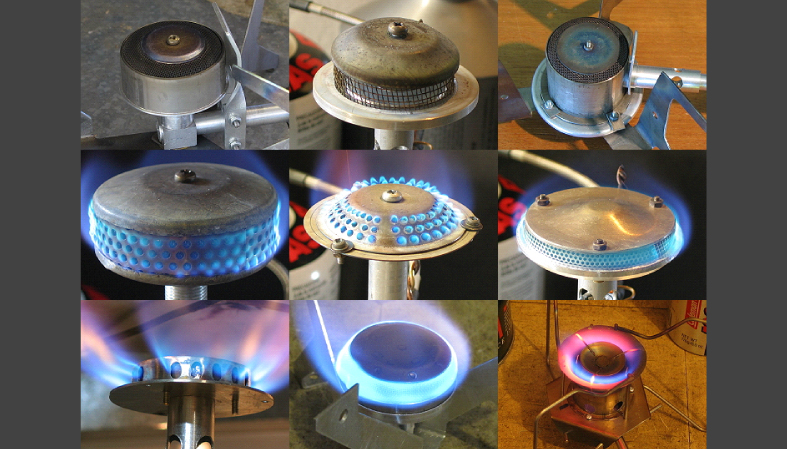
Cooktops have a long and significant history that can be traced back to approximately 2000 BCE. They were first developed as controlled cooking facilities in the ancient Indus Valley culture. These structures, characterized by uncomplicated, level-topped earthen domes above fire cavities, signaled the initiation of systematic culinary procedures. Over time, these technologies disseminated throughout Asia, undergoing modifications such as the addition of chimneys, dampers, and draft shutters to increase heat regulation. By the year 500 CE, these constructions had acquired the name “Kamado” in Japan, indicating its extensive usage and cultural importance.
The development of cooking technology mirrors humanity’s persistent pursuit of efficiency and accuracy in culinary pursuits. Starting from the basic fireplaces used in ancient civilizations to the advanced design of the Rumford Stove, every innovation has added to the rich and varied history of cooking. The progress made in this field has established the basis for the extensive range of cooktops currently on the market. These cooktops exemplify the resourcefulness and inventiveness of many cultures across time, as they endeavored to refine the craft of cooking.
The Age of Enlightenment: The Modern Cooktop Emerges
The 18th century was a crucial era in the cooktop’s history, characterized by the advent of the kitchen range. Benjamin Thompson, sometimes known as Count Rumford, made a substantial contribution to this progress by creating a brick stove with a cylindrical oven and strategically positioned openings for cooking utensils in the 1790s. This breakthrough transformed cooking methods by shifting from exposed flames to enclosed cooking areas, establishing the foundation for future developments in cooktop technology. During the mid-1800s, these mountain ranges experienced additional changes as they shifted from being built of stone to being constructed of cast iron. This transformation made them smaller in size and more appropriate for broad use in homes.

Gas Cooktops: A New Era of Convenience
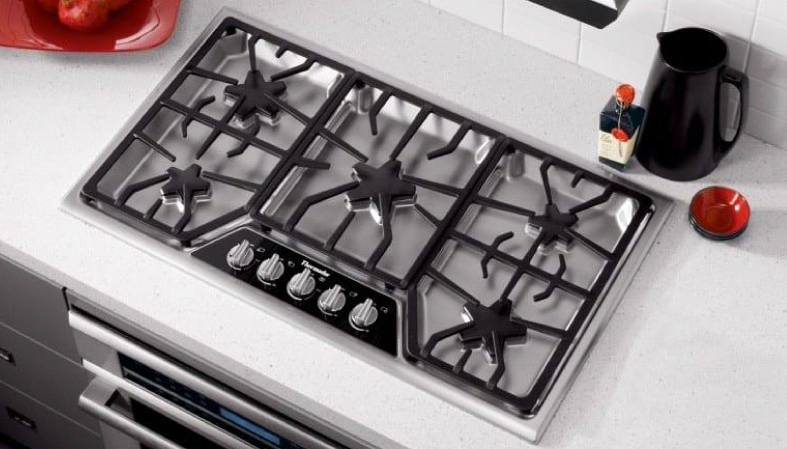
In the late 19th century, there was a notable progress in cooktop technology with the introduction of gas cooktops. This was made feasible by advancements in gasification and pipelining. Early gas cooktops used a vertical pilot flame that, although effective for starting the burners, presented safety risks. Nevertheless, advancements in technology have resulted in the creation of electric ignitors that are both safer and more efficient, rendering standing pilot flames obsolete. The proliferation of gas pipelines in Europe and the United States during the 1880s greatly contributed to the increased use and popularity of gas cooktops, representing a key advancement in the development of cooking appliances.

Electric Cooktops: The Power of Resistance
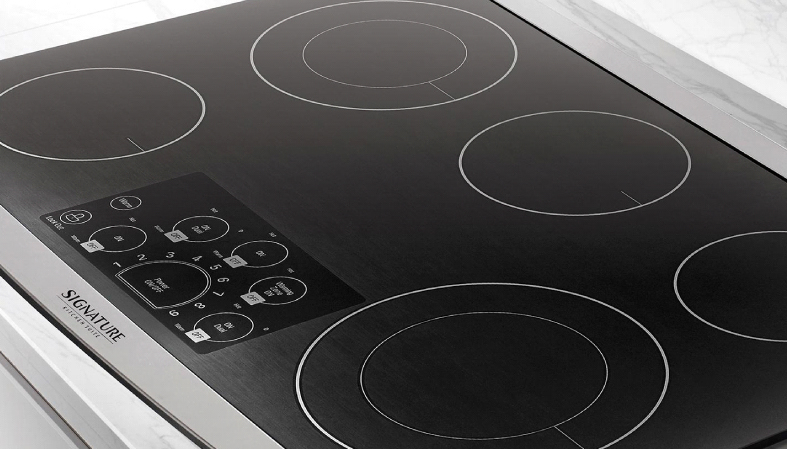
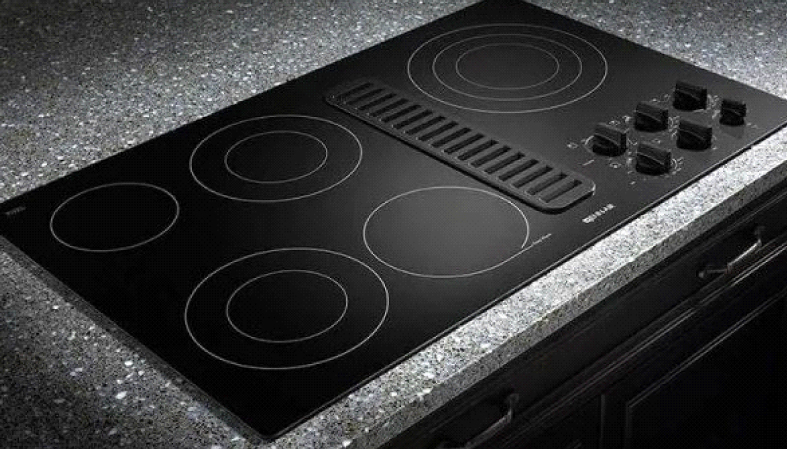
In the 1800s, electric cooktops became a practical option for cooking, serving as a feasible alternative to gas cooktops. George B. Simpson obtained a patent for a “electro-heater” in 1859, which served as the foundation for the development of electric stoves. However, it was not until the 1893 Chicago World’s Fair that the initial functional electric stove was exhibited to the general public. At the start of the 20th century, there were notable breakthroughs in electric cooktop technology, including as the development of sturdier heating components and enhanced temperature regulation. These advancements established electric cooktops as strong competitors to gas cooktops in the market, representing a significant turning point in the history of kitchen appliances.

Induction Cooktops: The Future of Cooking
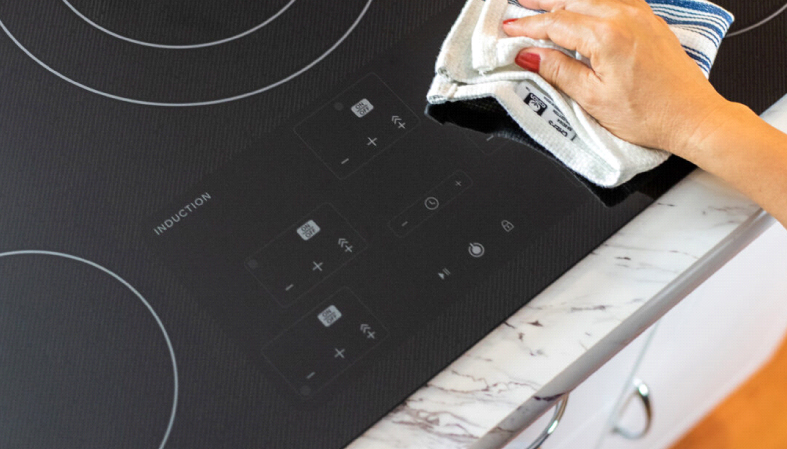
Induction cooking, a groundbreaking technology that employs electromagnetic fields to directly heat cookware, emerged in the early 1900s. While patents for induction cooking were granted in the early 1900s, it was not until the mid-1950s that prototype devices started to emerge. Induction cooktops initially faced high costs and low consumer interest. However, they progressively became popular in Europe and Asia, mainly because of their energy efficiency and space-saving design. This represented a notable progression in culinary technology, providing a safer and more efficient substitute for conventional gas and electric stovetops.
The Cooktop Today: A Blend of Tradition and Innovation
Contemporary cooktops exemplify the combination of traditional cooking techniques with state-of-the-art technology. Gas, electric, and induction cooktops have seen substantial advancements, integrating improved safety features, energy economy, and refined design components. This innovative path not only showcases technology advancement but also represents a profound comprehension of culinary arts and kitchen ergonomics. As we strive to advance culinary technology, the cooktop remains an essential element in kitchens around the world, influencing how we cook and savor food for future generations.
Conclusion: More Than Just a Cooking Surface
The historical development of cooktops exemplifies human resourcefulness and our changing connection with food and culinary practices. Cooktops have had a significant impact on both meal preparation and kitchen design and lifestyle, spanning from ancient civilizations to modern times. As we persist in advancing, the cooktop remains an emblem of culinary heritage and potential for future advancements.
Cooktops have undergone substantial modifications in order to cater to the needs of contemporary life in the current era of home appliances. The incorporation of sophisticated technologies, such as induction heating and intelligent controls, has completely transformed the way we prepare meals and engage with our kitchen equipment. Modern cooktops offer high energy economy, accurate temperature regulation, and stylish designs that perfectly integrate with contemporary kitchen aesthetics.