

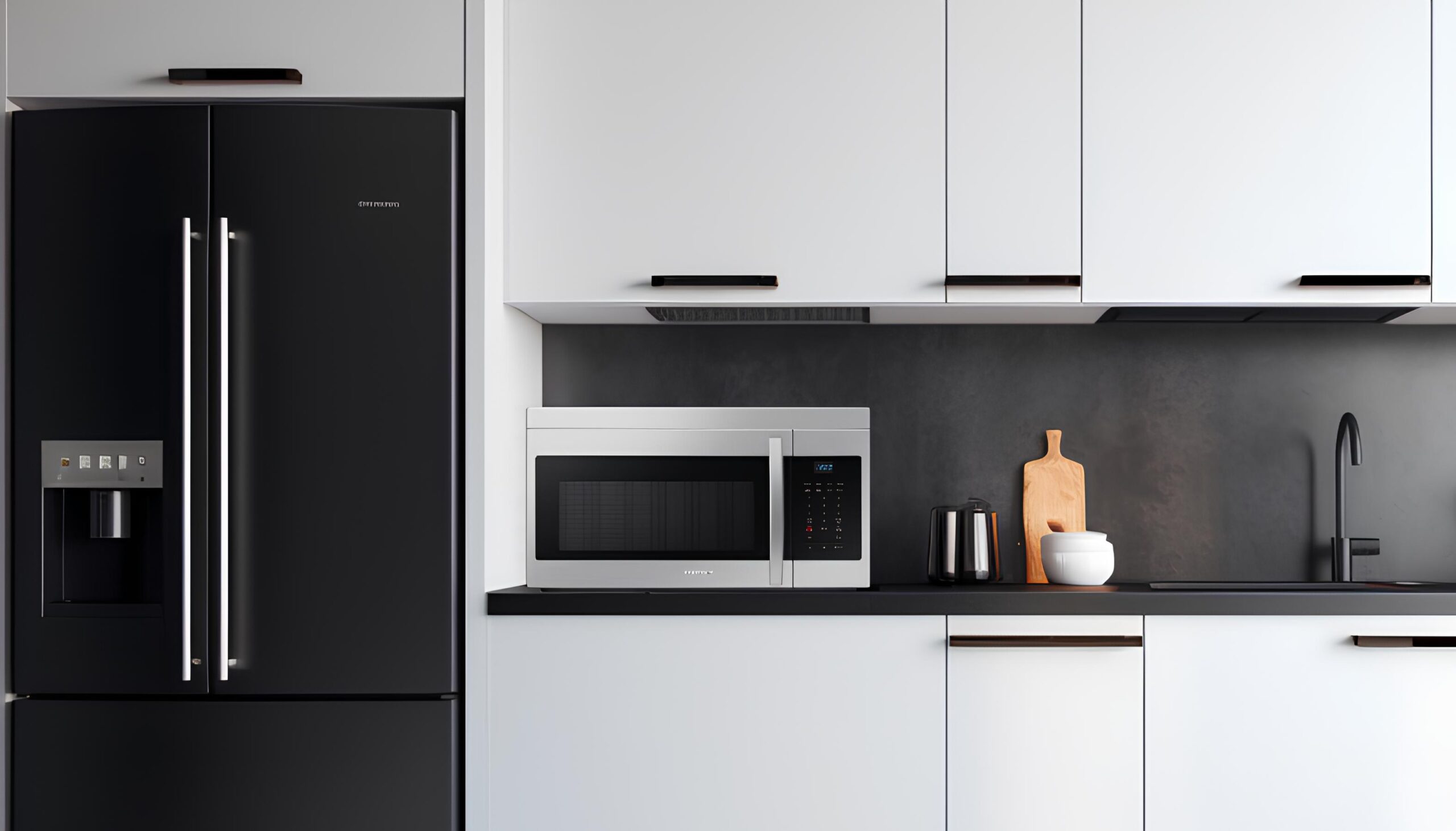
Microwave ovens have become integral elements of modern kitchens, fundamentally transforming the process of cooking and reheating meals. These appliances have become essential in kitchens around the globe, simplifying cooking processes and greatly reducing time spent.
In this investigation, we will examine the features, origins, practicality, cost-effectiveness, and wide variety of models of the microwave oven as we delve into its history and progress. This trip seeks to offer a thorough comprehension of microwave ovens, empowering you to make informed decisions that align with your culinary preferences and kitchen needs.
Overview: The Invention and Rise of Microwave Ovens
Origins
The utilization of microwave technology for cooking originated from an unforeseen event involving Percy Spencer, an engineer at Raytheon, in 1945. Spencer inadvertently observed the chocolate bar in his pocket melting as he was using a magnetron. This fortuitous occurrence ignited the ingenuity that ultimately resulted in the creation of the inaugural microwave ovens, forever revolutionizing culinary procedures.
Commercialization
In 1947, Raytheon introduced the inaugural commercial microwave oven, which was named the Radarange. Originally, these devices were bulky and costly, rendering them primarily useful for commercial environments such as restaurants. Nevertheless, with the advancement of technology and the surge in demand, manufacturers initiated the production of compact and cost-effective models specifically tailored for domestic usage. This advancement in technology expanded the availability of microwave ovens, causing them to become a common and essential household appliance worldwide.
Features of Modern Microwave Ovens
Technology
Contemporary microwave ovens employ advanced technology, specifically magnetrons, to produce microwaves that heat food by stimulating water molecules. This sophisticated method incorporates inverter technology, enabling precise manipulation of cooking power, guaranteeing effective and consistent heating outcomes. This microwave design innovation improves the cooking experience by offering customers increased flexibility and reliability in food preparation.
User-Friendly Interfaces
The progression of user interfaces in microwave ovens has undergone substantial advancements, moving beyond the basic rotary dials used in the original versions. Modern microwaves now provide advanced features such as preprogrammed cooking settings and seamless interaction with smartphones through smart technology. The improvements have rendered microwave ovens more convenient and remarkably user-friendly, addressing the requirements and inclinations of contemporary customers who need efficiency and connectivity in their kitchen appliances.
Safety Features
In modern microwave oven design, safety is of utmost importance. These ovens are equipped with necessary elements to create a secure cooking environment. The safety upgrades consist of child locks to prevent unintended usage by children, sensors engineered to prevent excessive cooking, and automatic shut-off mechanisms that contribute to a safer cooking experience. The improvements in microwave technology demonstrate a dedication to enhancing the performance and convenience of these devices, while simultaneously prioritizing the well-being and safety of consumers.
Price Range and Affordability
Variation
Microwave ovens are offered in a diverse range of features and sizes, leading to a wide range of pricing. Entry-level models, featuring fundamental features, are extremely cost-effective and designed for individuals that prioritize ease of use and effectiveness. Conversely, more expensive models include advanced features including inverter technology, smart networking, and improved safety mechanisms. This assortment guarantees that there is a microwave oven available to accommodate any financial plan and necessity, enabling consumers to select based on their distinct preferences and demands.
Accessibility
The cost-effectiveness of microwave ovens has progressively risen, rendering them a viable choice for a broad demographic. Due to its time-saving features and practical benefits, microwave ovens are now considered essential kitchen appliances by many households. This change signifies the increasing acknowledgment of the microwave oven’s contribution to making meal preparation more efficient and improving the operation of the kitchen, confirming its position as a fundamental item in contemporary households.
Uses and Functions
Versatility
Microwave ovens have evolved into very adaptable appliances in the culinary realm, proficient in the tasks of warming up previously cooked food, preparing frozen meals, and even handling intricate recipes. In addition to their primary function of providing warmth, these devices are extremely useful for chores such as steaming vegetables, baking, and defrosting. Microwave ovens have become indispensable kitchen tools due to their adaptability in meeting various culinary needs and tastes, emphasizing their crucial position in contemporary food preparation.
Convenience
The undeniable convenience of microwave cooking is evident. Microwave ovens are an excellent option for busy families and people due to their effective and rapid food heating capabilities, which can save a substantial amount of time in the kitchen. This convenience is in perfect harmony with the fast-paced lifestyle of contemporary society, where time-saving products are much esteemed. Microwaves fulfill this requirement by offering a rapid and efficient method for cooking meals, thereby strengthening their position as essential utensils in the contemporary culinary space.
Energy Efficiency
Modern microwave ovens are designed with a focus on energy efficiency, using less electricity in comparison to conventional stovetops and ovens. The efficient cooking durations not only conserve energy but also render microwave ovens a more sustainable option for common culinary requirements. The emphasis on energy efficiency corresponds to the increasing need for products that promote a more eco-conscious way of living. As a result, microwave ovens have become a favored choice for individuals seeking to minimize their environmental impact while benefiting from the ease and quickness of microwave cooking.
Why One Needs a Microwave Oven
Time-Saving
An essential catalyst behind the widespread use of microwave ovens is their exceptional capacity to efficiently reduce cooking time. Microwaves greatly reduce cooking times compared to traditional cooking methods, whether you are reheating leftovers or producing a fast dinner. This level of efficiency is especially attractive in the contemporary, rapidly changing society, where the ability to identify methods to economize time in everyday activities, such as cooking meals, is greatly esteemed. Microwave ovens are highly valuable in modern kitchens due to their ability to swiftly and effortlessly serve hot, nutritious meals.
Space-Saving
Microwaves are renowned for their small and efficient design, making them a perfect choice for any kitchen, particularly those with restricted space. Their capacity to integrate many cooking operations into a single appliance obviates the necessity for numerous cumbersome pieces. The combination of several functions and compact size makes microwave ovens an ideal option for anyone seeking to optimize kitchen productivity and conserve valuable countertop area. Microwaves offer a variety of cooking functions, including warming, defrosting, baking, and steaming, making them a convenient and compact solution for various culinary requirements.
Essential Appliance
The microwave oven has become an essential kitchen device in our busy life, due to its capacity to effectively carry out a variety of cooking functions. What was formerly seen as a high-end product has now become an essential component in the majority of households. The microwave’s adaptability and effectiveness in managing a wide range of tasks, from basic warming to intricate culinary procedures, make it a highly prized appliance in contemporary kitchens. This shift highlights the microwave’s evolution from being a convenient device to becoming an indispensable tool for fast and efficient meal preparation, demonstrating its crucial role in modern cooking methods.
Types of Microwave Ovens
Countertop Microwaves
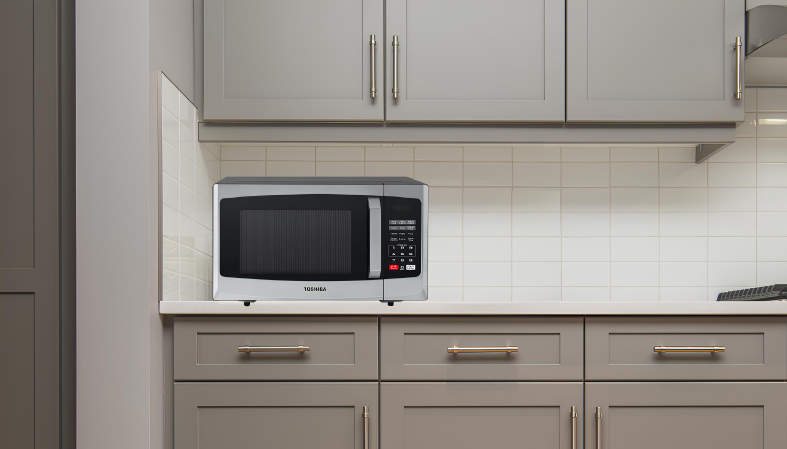

Countertop microwave ovens are highly versatile and widely favored among the several types of microwaves. Their simple installation and easy transportation greatly increase convenience for a wide range of cooking operations. Countertop microwaves are offered in various sizes and power settings to accommodate a wide range of cooking requirements. Their versatility makes them an excellent choice for anyone seeking to fulfill certain culinary needs, ranging from basic reheating to more intricate cooking attempts. Their placement on the countertop guarantees their constant accessibility, facilitating the preparation of prompt and efficient meals.
Over-the-Counter Microwaves
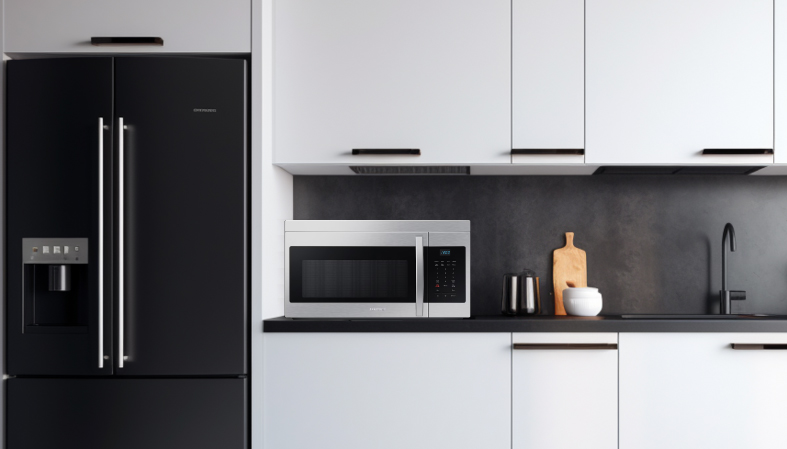
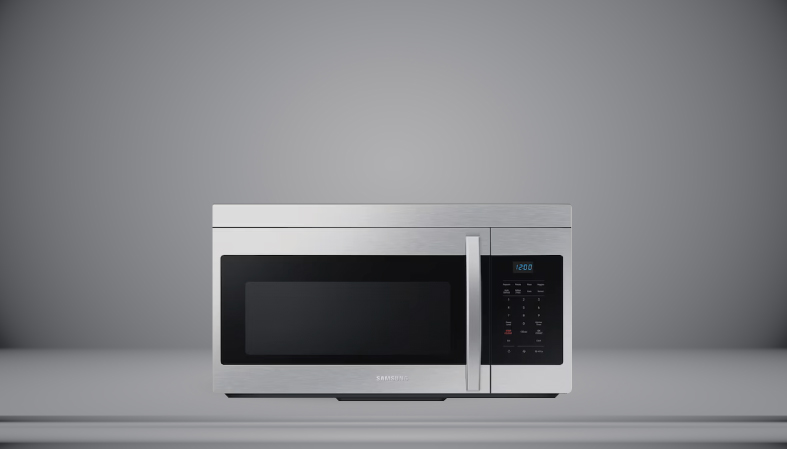
Over-the-Range Microwaves ingeniously integrate the capabilities of a microwave oven with a ventilation hood, thereby fulfilling two functions: cooking and eliminating steam and aromas from the kitchen. Mounted just above the stove, these microwaves offer a clever solution for conserving precious countertop area while ensuring easy access to the appliance. This strategic positioning not only maximizes the arrangement of the kitchen by creating more available counter space, but also combines cooking and ventilation in a smooth and efficient manner. This makes them a great option for individuals seeking to improve the usefulness of their kitchen without sacrificing space or convenience.
Built-In Microwaves


Integrated microwave types are specifically designed to be incorporated into walls or cabinets, providing a smooth and cohesive look that complements the kitchen’s overall decor. These microwaves seamlessly integrate into the kitchen setting, enhancing a unified and refined appearance. Installing a built-in microwave not only improves the visual attractiveness of the kitchen but also conserves counter space, making it a perfect choice for anyone desiring a contemporary and organized cooking environment. Their design is specifically intended to enhance the overall beauty and utility of modern kitchens, offering an elegant option to seamlessly incorporate key cooking appliances without disturbing the visual harmony of the kitchen.
Microwave Drawers
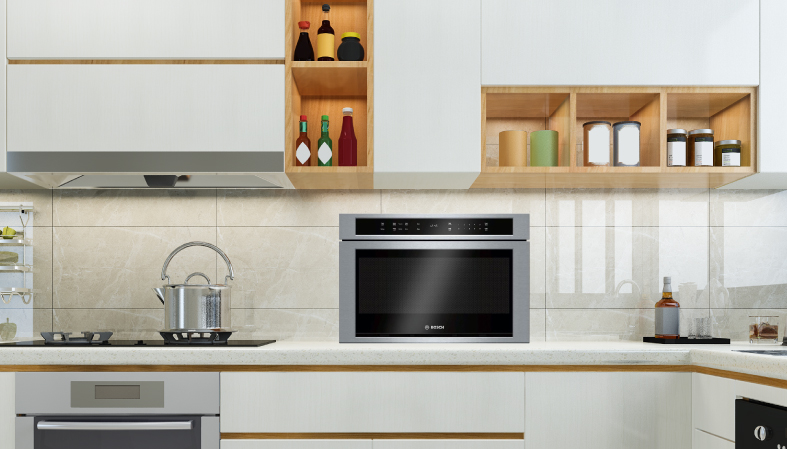

The microwave drawer features an innovative design that is located beneath the countertop, allowing for convenient accessibility and enhancing the overall cleanliness and visual appeal. The pull-out drawer design of this product streamlines the task of inserting and removing dishes, hence improving convenience and usage. This unique arrangement not only conserves important countertop area but also easily incorporates into the kitchen’s design, preserving a streamlined and organized look. Microwave drawers are an excellent choice for individuals who value both comfort and aesthetics. They provide a refined and contemporary option compared to classic models, combining practicality with a sleek appearance that elevates the entire kitchen ambiance.
Conclusion
The microwave oven has seen a significant evolution from its initial discovery to its current status as a common appliance in the kitchen. As we continually strive for increased effectiveness and ease in our everyday activities, the microwave remains a central element in the kitchen, representing the ideal combination of usefulness and originality. The growth of meal preparation mirrors our evolving demands and technical advancements, guaranteeing its indispensability for fast and efficient cooking. The continuous advancement of microwave technology remains in line with our quest for a more efficient and easy way of life, solidifying the microwave oven’s position as a central element in contemporary kitchen design and functionality.