

Mastering the Art of Choosing the Right Kitchen Range
The kitchen range is undeniably the central component of the kitchen, and with the use of intelligent technology, it has become even more adaptable and effective. Smart ranges provide a diverse array of functions that not only streamline the cooking process but also improve the whole kitchen experience.
Envision the convenience of remotely preheating your oven while commuting from work, guaranteeing it is prepared for baking the moment you arrive home. This can be easily achieved using Wi-Fi connectivity. In addition, the inclusion of touch-screen controls and voice commands simplifies the process of modifying settings and tracking the progress of cooking, eliminating the need for frequent monitoring of the meal.
Smart ranges offer a notable advantage in terms of energy efficiency. By utilizing features like as customizable cooking schedules and the ability to analyze energy usage, you can optimize your cooking habits to save waste and decrease utility expenses.
In general, smart ranges provide a higher degree of convenience, control, and efficiency that traditional ranges are unable to achieve. Regardless of your level of expertise in the kitchen, purchasing a smart range can greatly transform your cooking experience and enhance your culinary abilities.
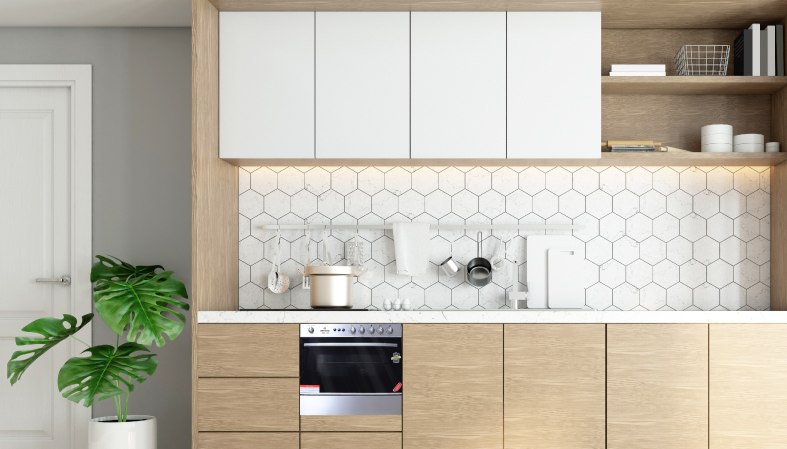
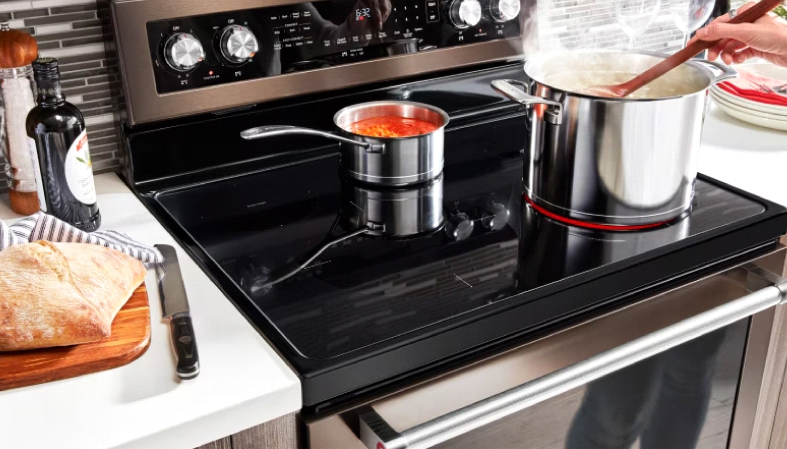
1. Decoding the Kitchen Range
The kitchen range is an essential item that offers a convenient and efficient solution for preparing a variety of dishes while saving space. The combination of a stovetop and an oven in this appliance provides a wide range of options and effectiveness in cooking meals.
The oven component of a range is necessary for a variety of cooking techniques, such as baking cookies, roasting vegetables, and broiling meats. The enclosed construction of this product enables uniform heat dispersion, resulting in consistent cooking outcomes.
Conversely, the stovetop element supplies immediate heat for activities like boiling water, frying eggs, and simmering sauces. Regardless of whether they are fueled by gas or electricity, the burners on the stovetop provide versatility and accuracy in regulating temperature, accommodating various cooking methods and personal preferences.
The oven and cooktop components of a kitchen range collaborate effectively to fulfill the varied requirements of both home cooks and professional chefs, establishing it as an essential element of culinary ease in any kitchen.

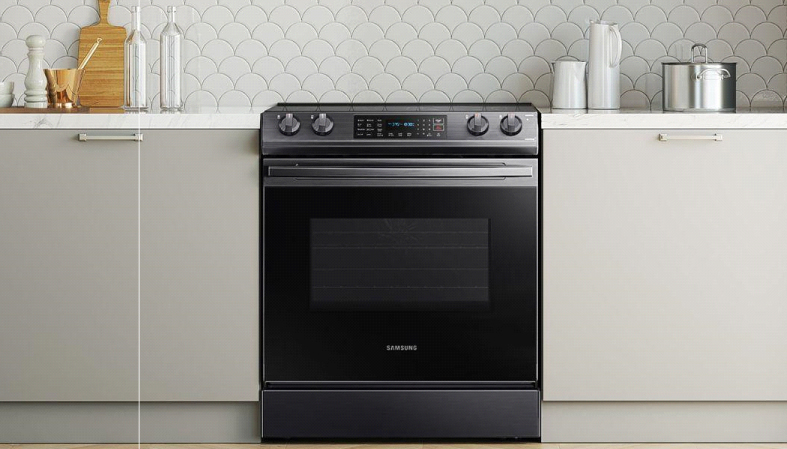
2. Range Types: Freestanding, Slide-In, and Drop-In
Freestanding ranges are very adaptable appliances that can be positioned anywhere in the kitchen due to their standalone nature. These units feature completed sides, which makes them appropriate for installation at the end of a row of cabinets or as independent units. One of the main benefits of their placement is their flexibility, which provides convenience and makes installation easy.
Slide-In Ranges: Designed to have a customized, integrated look, slide-in ranges effortlessly fit into the space between kitchen cabinets. Unlike standalone ranges, they do not have a backguard, which makes it easy to integrate them with your kitchen backsplash. This design element provides a streamlined and contemporary look, improving the overall visual appeal of your kitchen.
Drop-in ranges are intended to be installed above built-in cabinets, just like slide-in types. These items are commonly located on kitchen islands and are designed to blend in seamlessly with bespoke cabinetry for a cohesive appearance. Drop-in ranges provide a smooth and unified appearance, effortlessly integrating with the adjacent cabinets to create a sleek and coherent effect.
3. Measuring for the Perfect Fit
It is essential to ensure that your new range fits well in your kitchen. Conventional kitchen ranges usually have a width of 30 inches, however the dimensions may differ, particularly in bigger or high-quality units designed for professional use.
Height Measurement: Determine the distance from the floor to the countertop in order to ensure that the range is properly aligned with the height of your counter. This guarantees that the dimensions of the range will be suitable to fit easily below any overhead cabinets or ventilation hood.
Depth Measurement: Determine the distance between the front edge of the cabinet and the wall to ensure that the range does not extend out in an inconvenient manner. This measurement guarantees that the range will fit tightly against the back wall, without blocking walkways or posing a safety risk.
Width Measurement: To determine the appropriate width for a freestanding range, measure the distance between the cabinets or walls where the range will be positioned. This dimension should include any necessary clearance on both sides of the range to provide proper ventilation and safety.
To determine the appropriate size for slide-in and drop-in versions, measure the width of the existing cutout space between the cabinets. This measurement guarantees that the range will fit perfectly into the space, without any gaps or overhangs. To ensure optimal fit and functionality of your new range inside your kitchen plan, it is crucial to obtain precise measurements of your kitchen space.
4. Range Sizes and Capacities
Compact Ranges (20″ & 24″): Best for small kitchens, these ranges offer limited oven space but are ideal for basic cooking needs. They are suitable for apartments, tiny homes, or any kitchen with limited space where a smaller footprint is essential. While they may have smaller oven capacities, they can still accommodate standard cookware and fulfill everyday cooking requirements.
Standard Ranges (30″ & 36″): The most common size for household kitchens, these ranges balance cooking space and oven capacity, suitable for most families. They offer a good compromise between size and functionality, providing ample cooking space for everyday meals without taking up excessive space in the kitchen. Standard ranges are versatile enough to accommodate various cooking styles and can handle larger cookware and dishes.
Large Ranges (48″ & 60″): Designed for spacious kitchens or professional use, these ranges often feature multiple ovens and extensive stovetop space, catering to heavy-duty cooking requirements. They are ideal for large families, avid home cooks, or professional chefs who require extra cooking capacity and versatility. Large ranges offer ample space for preparing multiple dishes simultaneously and can accommodate oversized cookware and bakeware.
5. Fuel Types: Gas, Electric, and Dual-Fuel
Gas Ranges: Favored for their responsive heat control and quick heating. Require a gas line connection. Ideal for those who enjoy the tactile feedback of cooking with flame. Gas ranges provide instant heat, allowing for precise temperature adjustments during cooking. They are preferred by many chefs for their ability to quickly change heat levels, making them suitable for various cooking techniques such as searing, sautéing, and simmering.
Electric Ranges: Known for consistent oven heat, perfect for baking. Available in coil or smooth-top models. Easier installation and typically more budget-friendly than gas ranges. Electric ranges offer consistent and even oven temperatures, making them ideal for baking and roasting. They come in two main types: coil and smooth-top models. Coil electric ranges feature exposed heating elements, while smooth-top models have a flat cooking surface with hidden heating elements beneath. Electric ranges are easier to install than gas ranges since they don’t require a gas line connection.
Dual-Fuel Ranges: Combine a gas stovetop with an electric oven, offering the benefits of both fuel types. Ideal for serious cooks who demand precise stovetop control and even baking temperatures. Dual-fuel ranges provide the best of both worlds, with the responsive heat control of a gas stovetop and the consistent oven heat of an electric oven. They are preferred by serious cooks and culinary enthusiasts who want precise temperature control for stovetop cooking and even baking temperatures for their oven dishes.
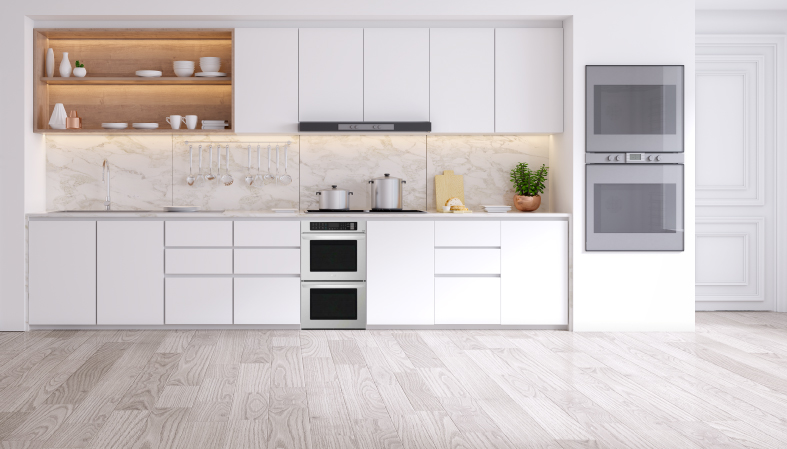

6. Advanced Features for the Modern Cook
Convection Oven: A feature that uses a fan to circulate hot air for faster, more even cooking. Ideal for baking enthusiasts who want consistent results and reduced cooking times. Convection ovens ensure that heat is evenly distributed throughout the oven cavity, resulting in evenly browned and thoroughly cooked dishes.
Double Oven: Allows cooking different dishes at different temperatures simultaneously. Great for multi-dish preparation and large gatherings where cooking efficiency is essential. Double ovens offer flexibility and convenience, allowing users to bake, roast, and broil multiple dishes at once without sacrificing cooking quality.
Smart Technology: Ranges equipped with Wi-Fi connectivity and voice control for enhanced convenience. Ideal for tech-savvy users seeking remote control and monitoring of their cooking. Smart ranges allow users to preheat the oven, adjust cooking settings, and receive notifications from their smartphone or other smart devices, providing greater flexibility and control over the cooking process.
Additional Considerations: Look for features like self-cleaning options, warming drawers, and specific burner types (e.g., high-power, simmer) based on your cooking habits. Self-cleaning options make it easier to maintain the cleanliness of the oven, while warming drawers keep cooked food warm until ready to serve. Specific burner types cater to different cooking needs, whether you require high heat for searing or low heat for simmering delicate sauces. Consider these additional features to enhance your cooking experience and meet your specific culinary requirements.
Conclusion
Selecting the right kitchen range is a balance of understanding your culinary requirements, kitchen layout, and the specific features you desire. Whether you lean towards a traditional gas range or a modern induction model, and whether you opt for a freestanding, slide-in, or drop-in design, your choice should reflect your cooking style and kitchen aesthetics.
Consider factors such as the type of fuel you prefer, the size of your kitchen, and the cooking features that matter most to you. For example, if you love baking, you might prioritize a range with a convection oven for even heating. If you frequently cook multiple dishes at once, a double oven or a larger range with multiple burners may be ideal.
Ultimately, the right kitchen range can transform your cooking experience, making every meal a delightful adventure. Choose wisely, and enjoy the culinary journey that lies ahead.