

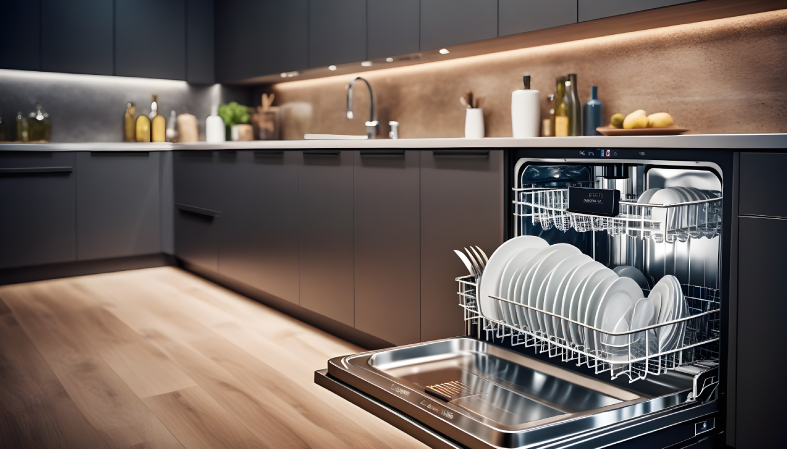
Dishwashers are essential household appliances that streamline daily household tasks. As technology progresses, consumers have an increasing number of choices available to them. An important decision to consider is selecting between fully integrated and semi-integrated dishwashers. This guide seeks to delineate the disparities between these solutions and offer essential factors to contemplate when determining which option is most suitable for your requirements.
Overview of Dishwashers
Dishwashers are available in different types, each specifically designed to simplify household chores. The main types of dishwashers include standard built-in models, portable units, countertop models, and drawer dishwashers. Nevertheless, this guide specifically concentrates on fully integrated and semi-integrated models, offering detailed information about their characteristics and advantages.
Fully Integrated Dishwashers


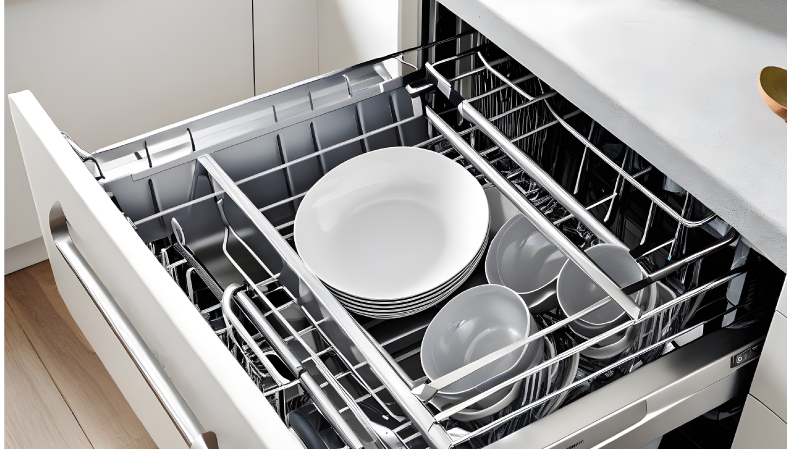
Fully integrated dishwashers effortlessly merge with kitchen cabinetry, featuring concealed control panels for a polished and minimalist look. This design characteristic makes them highly sought after by homeowners who desire a unified and visually appealing contemporary look for their kitchen areas.
Aesthetic Appeal: Fully integrated dishwashers provide a harmonious and impressive look by seamlessly blending with kitchen cabinetry. These dishwashers maintain the sleek style of the cabinets and enhance the overall aesthetic appeal of the kitchen by not having a visible control panel.
Customization: The adaptable design of fully integrated dishwashers enables them to be customized to precisely fit existing cabinets. By utilizing this feature, homeowners can create a harmonious and well-coordinated kitchen design that resembles a thoughtfully curated ensemble rather than a random assortment of appliances.
Semi-Integrated Dishwashers
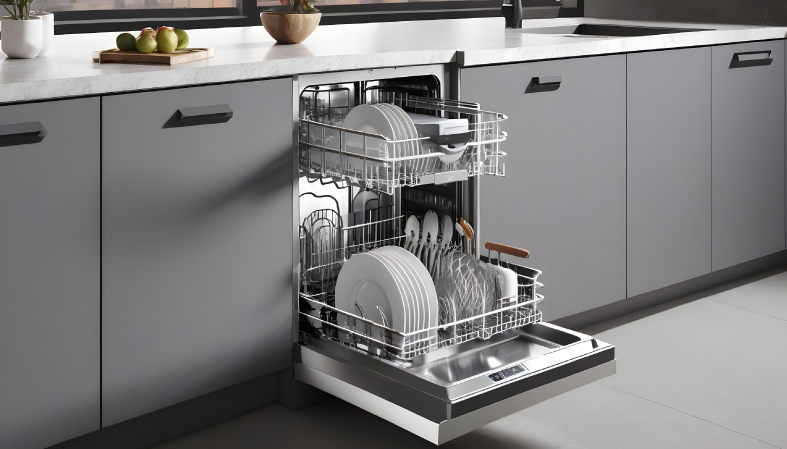
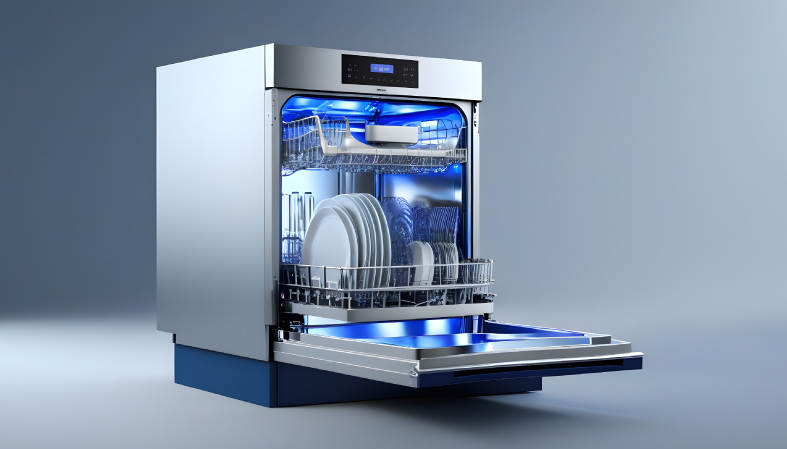
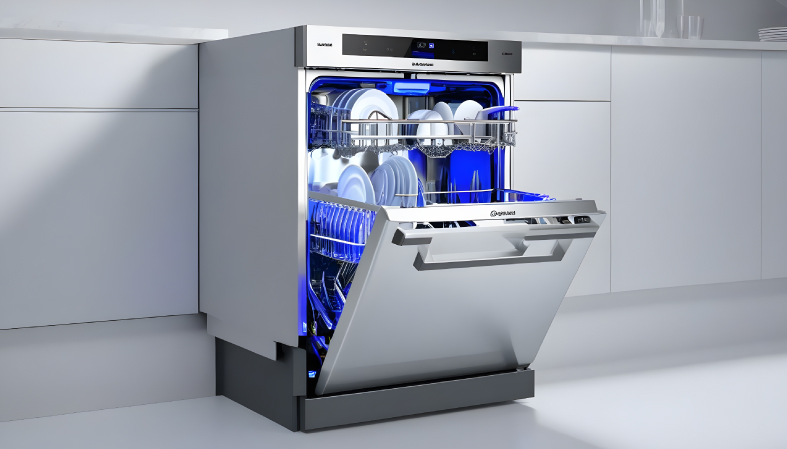

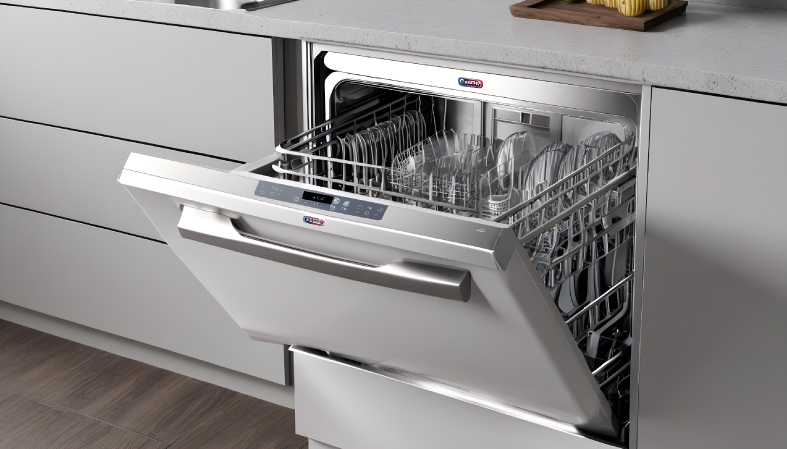
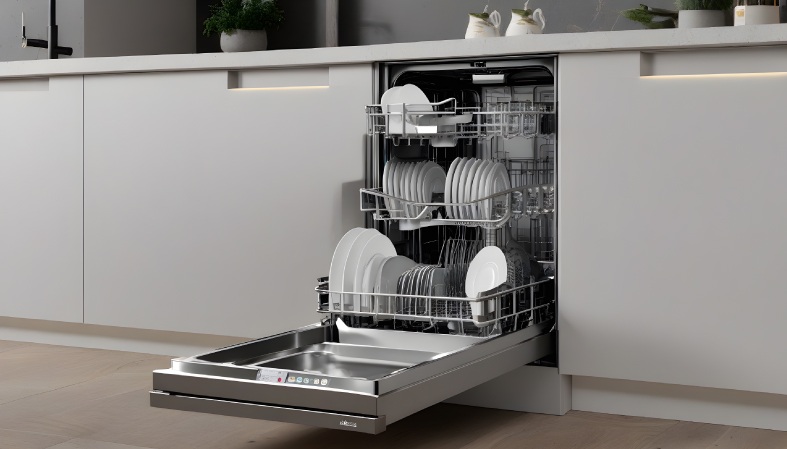
The semi-integrated dishwasher blends smoothly with the kitchen decor, although there may be some minor differences. The control panel is located at the top of the door, while the bottom section complements the front panel.
Enhanced Accessibility: The control panel is conveniently located, allowing users to easily monitor and modify settings without having to open the door. This enables rapid modifications or monitoring of the washing cycle’s progress.
Usability: The presence of visible control panels offers users the ability to adapt and manipulate the dishwasher’s operations with ease. Certain users have a preference for direct control options as opposed to hidden panels, as it enables a more intuitive user experience.
Price and Budget Considerations
Another important consideration for customers deciding between fully integrated and semi-integrated dishwashers is price differences.
Fully Integrated: Because of their smooth design and extensive customization possibilities, fully integrated dishwashers are usually more expensive. Even though they might cost more, they provide a high-end, cohesive style that improves the atmosphere of the kitchen as a whole.
Semi-Integrated: As compared to fully integrated dishwashers, semi-integrated dishwashers are typically more affordable. For those looking to strike a balance between cost-effectiveness and aesthetics, the visibility of control panels provides a reasonable middle ground.
Usage and Functionality
Fully Integrated: Suitable for contemporary and minimalist kitchen designs, fully integrated dishwashers provide a sleek appearance that many homeowners find appealing. They guarantee a distraction-free, spotless, and well-organized kitchen aesthetic with a hidden control panel.
Semi-Integrated: Blending style and utility, semi-integrated dishwashers have accessible, user-friendly control panels that are readily visible. They offer easy access to settings and options and go well with modern kitchen designs.
Why Choose One Over the Other?
Design Preference
Fully integrated vs semi-integrated dishwashers are largely influenced by design preference. A fully integrated kitchen looks seamless, but semi-integrated models provide less visibility but easier access to control panels. In the end, the choice depends on striking a balance between useful functionality and visual appeal to accommodate personal tastes.
Budget
When making decisions, the budget is an important factor to take into account. Fully integrated dishwashers are more expensive but usually have more features and a nicer appearance. However, semi-integrated models strike a better balance between cost and style, making them a more affordable choice for individuals looking to update their kitchen in a fashionable way.
Ease of Use
A key factor is the degree of convenience and usability. People who love the concept of clean and simple looks go for fully integrated dishwashers, whereas those who like the convenience of locating switches go for semi-integrated ones.
Top Brands and Evolution
Pioneering dishwasher manufacturers such as Bosch, Miele, KitchenAid, and Samsung consistently strive to improve user convenience and efficiency through ongoing innovation. As kitchen design trends progress, dishwashers have also progressed, with manufacturers giving equal importance to both functionality and aesthetics in order to seamlessly blend into contemporary kitchen environments.
Types of Dishwashers
Standard Built-In Dishwashers
These dishwasher features are designed to be permanently installed in standard kitchen cabinets, creating an integrated solution that harmoniously merges with the overall kitchen design.
Portable Dishwashers
A portable dishwasher is well-suited for compact kitchens or individuals who are renting, as it can be conveniently positioned in any desired location and effortlessly relocated once finished.
Countertop Dishwashers
They are available in compact sizes, which makes them perfect for small households. They can be positioned atop kitchen countertops as a space-efficient resolution.
Drawer Dishwashers
The drawer-style dishwasher is a suitable choice for individuals residing in compact residences who favor nontraditional kitchen layouts.
Conclusion
When deciding between fully integrated dishwashers and semi-integrated dishwashers, it is important to take into account individual design preferences, financial limitations, and convenience considerations. Integrated models provide a streamlined and cohesive appearance, with a neat and organized interior, but they are more expensive. On the other hand, semi-integrated dishwashers offer a compromise between functionality and cost-effectiveness, although their control panels are only partially visible. In the end, the decision depends on personal aesthetic preferences and the overall concept of the kitchen.