


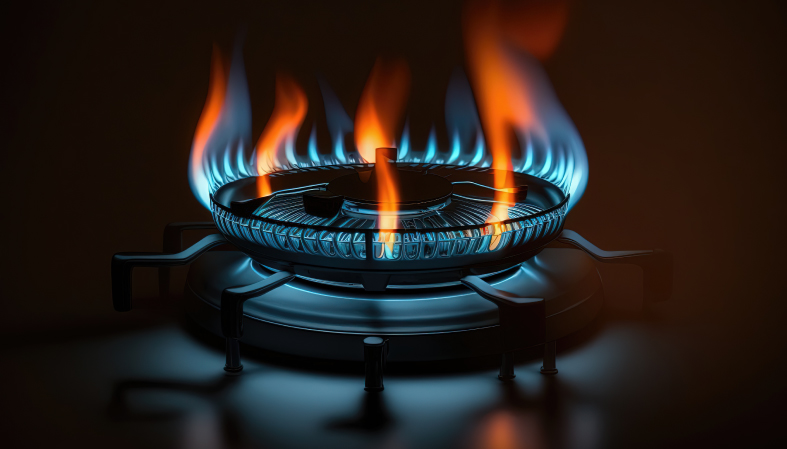
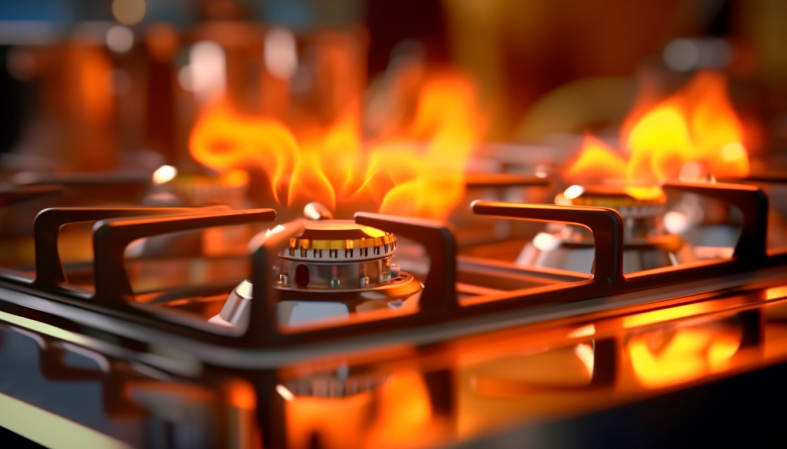
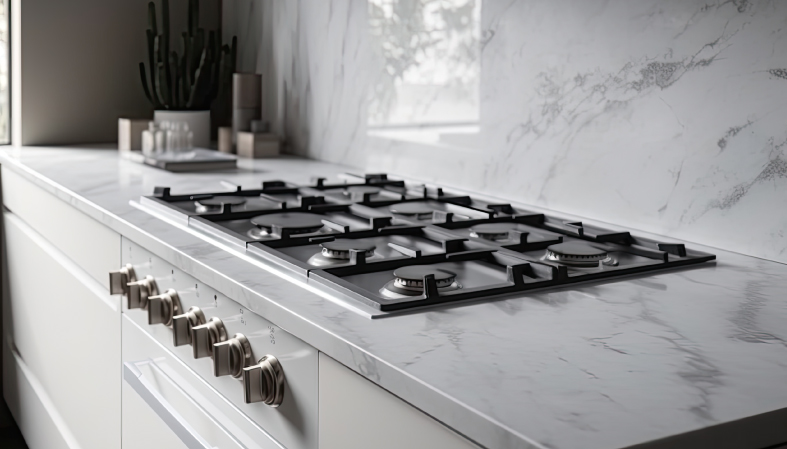
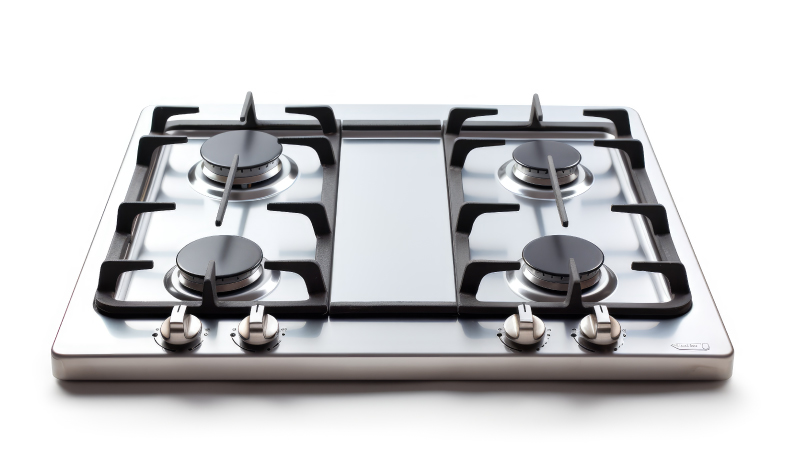
A gas stove, an essential element of contemporary kitchens, brings joy to those passionate about cooking. This integrated countertop appliance utilizes heat to warm cookware, combining conventional cooking techniques with contemporary kitchen effectiveness. Gas cooktops, which emerged in the early 19th century, have experienced substantial development and are now considered indispensable appliances in both domestic and professional kitchens.
Gas cooktops not only possess a significant historical legacy, but they also persistently advance through the integration of state-of-the-art technology. Contemporary innovations, such as touch-based controls, intelligent connection, and energy-conserving designs, increase the process of cooking, providing users with enhanced accuracy and authority in their culinary endeavors. Gas cooktops are very adaptable to modern kitchen designs and continue to lead in culinary advancements, meeting the varied requirements of professional chefs and household cooks.

History and Evolution of Gas Cooktops
The gas cooktop was initially developed in the 1820s, and the first commercially available device was patented by James Sharp in 1826 in England. This innovation represented a notable shift away from conventional solid-fuel stoves towards more effective gas-powered alternatives. Gas cooktops became more popular in the United States and Europe during the 20th century, leading to a significant transformation in food preparation techniques.
Modern gas stoves are the result of ongoing advancements, incorporating safety measures like sealed burners, convenient electronic ignition, and accurate temperature control. The incorporation of ovens with cooktops amplifies their adaptability, rendering them a favored option for a diverse array of culinary methods.
Technological breakthroughs have significantly improved gas cooktops in recent years. The appliance has intelligent functions such as customizable cooking modes and connectivity choices, providing consumers with exceptional control and convenience. These advancements are designed to meet the demands of both busy homes and culinary lovers, aligning with modern lifestyles. Gas cooktops continue to advance, maintaining their position as leaders in the culinary world by combining traditional elements with state-of-the-art technology.
Advantages of Gas Cooktops
Prompt and Adaptable Heat: Gas stoves provide immediate heat, avoiding the need to wait for elements to warm up, unlike electric cooktops. This instantaneous reaction enables accurate regulation of heat, which is essential for cooking methods such as simmering or searing. In addition, gas stoves have adjustable flame levels, allowing chefs to precisely control the amount of heat based on their culinary requirements, hence improving cooking versatility and effectiveness.
Enhanced Cooking Efficiency: Gas cooktops exhibit superior performance in terms of cooking speed, as they utilize high-efficiency burner technology to achieve rapid heating while minimizing gas consumption. The rapid response and accurate temperature regulation of gas cooktops enhance cooking efficiency, enabling chefs to swiftly modify heat levels for optimal outcomes. Due to their versatility, they are a favored option for culinary connoisseurs who desire both quickness and accuracy.
Direct Flame Cooking: Gas cooktops enable the direct application of heat from an open flame, making them perfect for charring vegetables or warming tortillas, which adds a smokey taste to foods. The high temperature enables precise manipulation, making it ideal for obtaining a desired browning on steaks or achieving professional-level caramelization on items.
Power Outage Resilience: Gas stoves can be manually ignited, guaranteeing uninterrupted cooking during power outages. They offer a dependable heat source for cooking when electrical appliances are inoperable, making them a crucial and adaptable option for households during emergencies.
Gas stoves provide a feeling of self-reliance and steadfastness in situations such as power failures or calamities. They guarantee that homes may maintain the ability to cook hot meals without depending on electrical devices, thereby fostering a feeling of normalcy during emergency situations. Due to their versatility and ability to function reliably under various power situations, these appliances are considered indispensable for households during emergencies.


Challenges and Considerations
Gas cooktops, while advantageous in many ways, nonetheless pose certain challenges:
Installation and Cost: The cost of installing a gas cooktop can be higher compared to an electric one, particularly if the addition of a gas line is required. Moreover, several areas have regulatory restrictions that impose limits on the installation of fresh gas pipelines.
Cleaning and Maintenance: Cleaning gas cooktops can be more difficult because of their design, which allows food and grease to easily build up behind the cooking grates.
Inconsistent Oven Temperature: Gas ovens have a faster preheating time but may have less uniform cooking compared to electric ovens. This can be a disadvantage for individuals who are passionate about baking.
Environmental and Health Considerations
Gas cooktops have been subject to investigation because of their environmental and health effects. Nitrogen dioxide, formaldehyde, and other pollutants are released by them, leading to indoor air pollution and respiratory problems. Furthermore, the issue of methane leaks and its impact on greenhouse gas emissions has ignited discussions on the long-term viability of gas stoves.
Conclusion
Gas cooktops offer a unique and effective cooking experience, combining traditional techniques with contemporary innovations. Although they demonstrate exceptional proficiency in managing high temperatures and cooking efficiency, it is essential to carefully evaluate the potential environmental consequences and maintenance difficulties associated with them. The suitability of a gas stove depends on personal cooking tastes, kitchen design, and environmental factors.