

Introduction
When planning the layout of a kitchen, the decision between a gas and electric range carries considerable significance. Each variety possesses distinctive characteristics and offers different culinary experiences. Comprehending these distinctions is crucial for homeowners or cooks who want to maximize the efficiency, convenience, and culinary prowess of their kitchen. This article explores the essential elements that distinguish gas and electric ranges, providing guidance in choosing the perfect stove for your culinary requirements.
Furthermore, in addition to analyzing the fundamental characteristics of gas and electric ranges, it is crucial to take into account your individual cooking tastes and the overall arrangement of your kitchen. Gas ranges are commonly selected by individuals who prioritize accurate temperature regulation and rapid heat adjustments, making them the top choice for professional chefs who depend on sophisticated culinary methods. On the other hand, electric ranges have a smooth and easy-to-clean surface, which is attractive to people who want a kitchen setup that requires minimal effort to maintain. Matching your cooking style and kitchen space constraints can help you choose the most appropriate range for your cooking needs.

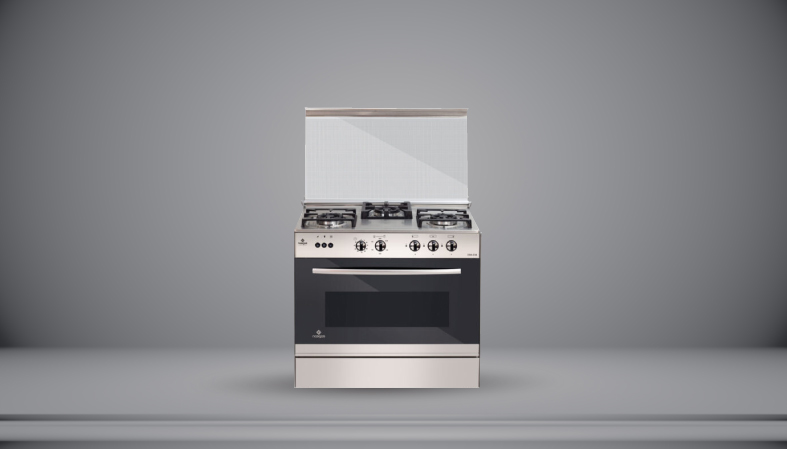
Gas Ranges: Quick Heating and Precise Control
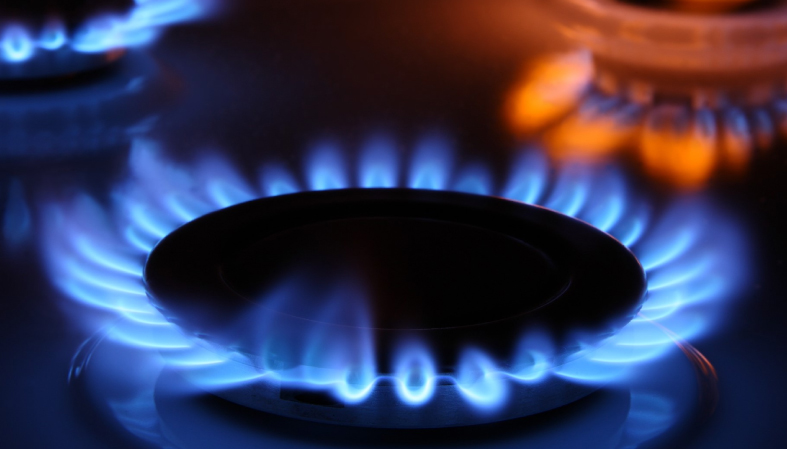
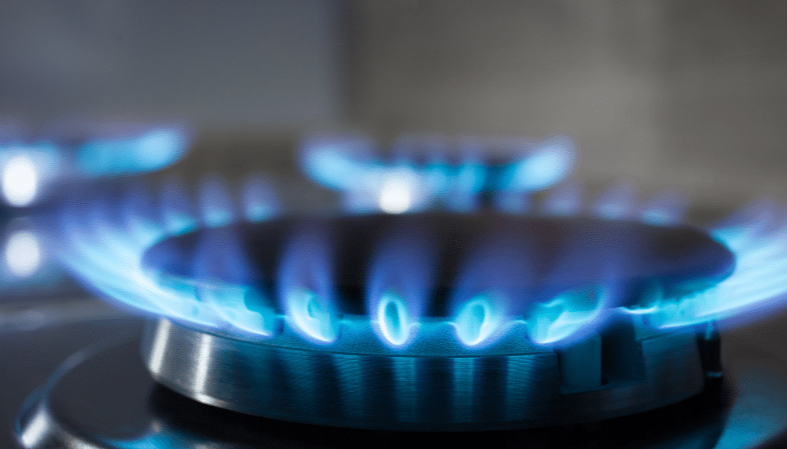
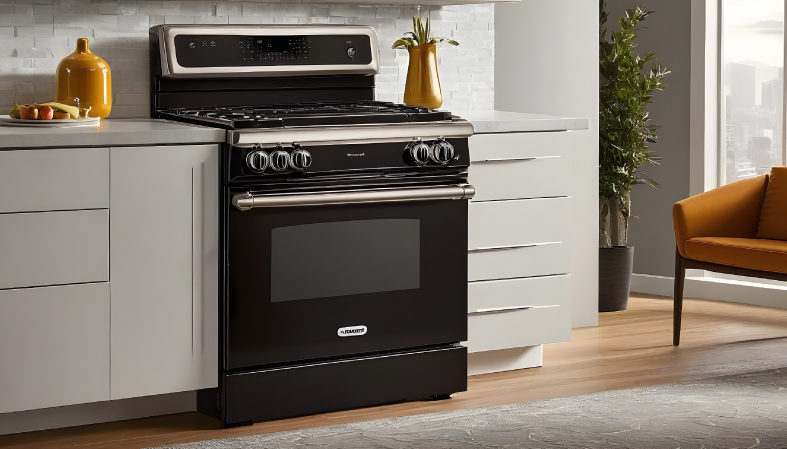
Gas ranges, fueled by either natural gas or propane, are well-known for their quick heating ability and accurate temperature regulation. Now, let’s examine their distinctive attributes:
Gas ranges provide immediate heat adjustment, allowing cooks to swiftly modify temperature settings, which is particularly useful for jobs like as searing and boiling.
Flame cooking: An open flame is necessary for certain culinary methods such as charring and flambéing because it evenly distributes heat over the pan.
Compatibility of Cookware: Gas ranges are capable of accommodating a diverse selection of cookware, even those with uneven or warped bottoms, due to the ability of the flame to conform to the shape of the pan.
Primary Energy Source: Usually necessitate the installation of a gas line, which could be a constraint in certain residences.

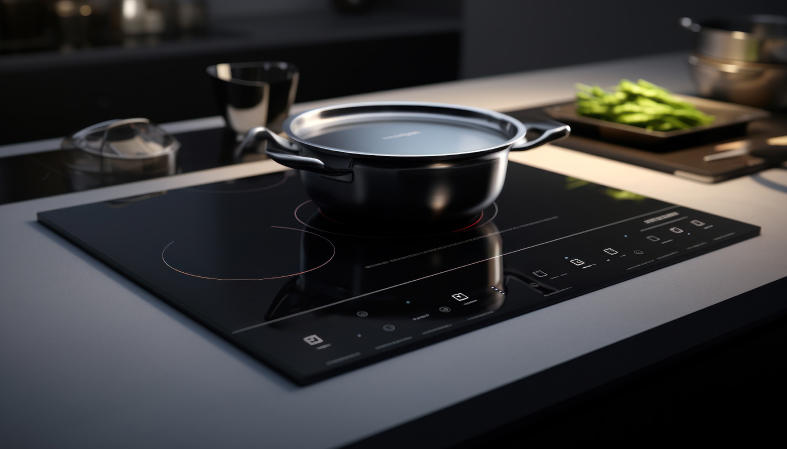
Electric Ranges: Consistent Heat and Sleek Design
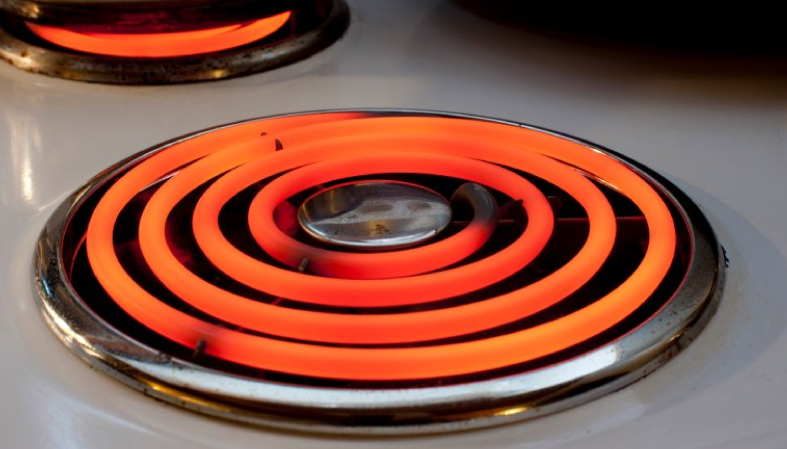
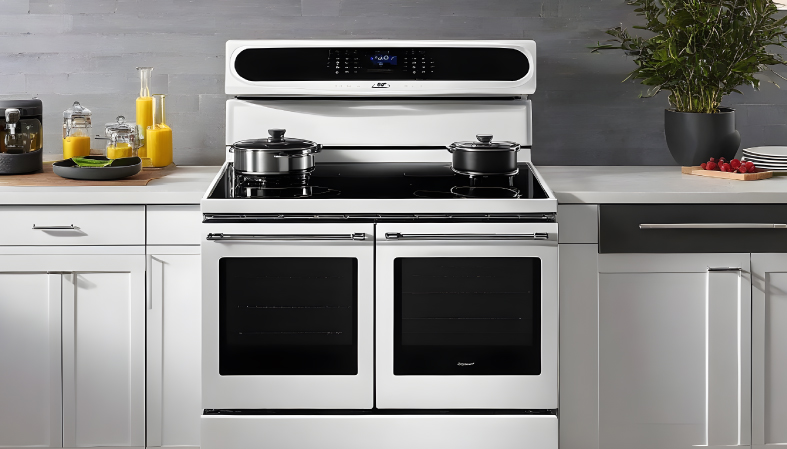
Electric ranges, which are operated by electricity, are highly valued for their uniform heat dispersion and elegant appearance. There are two primary categories of these appliances: coil and smooth-top (ceramic glass). Notable characteristics comprise:
Uniform Heating Area: Electric ranges, particularly smooth-top ones, provide a level cooking surface that is well-suited for uniformly heating pans and pots with flat bottoms.
Reduced Maintenance: The lack of an exposed flame and a simpler design, especially in smooth-top models, simplifies the process of cleaning and maintaining the appliance.
Electric ranges offer consistent temperature control, which is advantageous for achieving precise results while baking and roasting.
Electric ranges are frequently more energy-efficient, making them a financially advantageous choice in the long term.
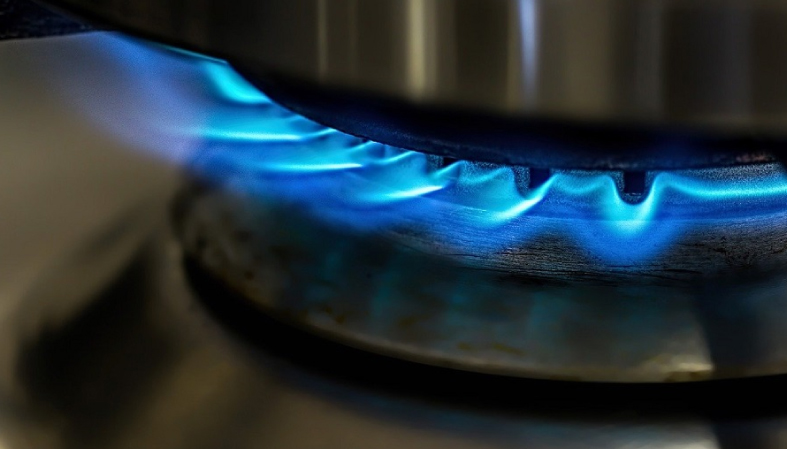
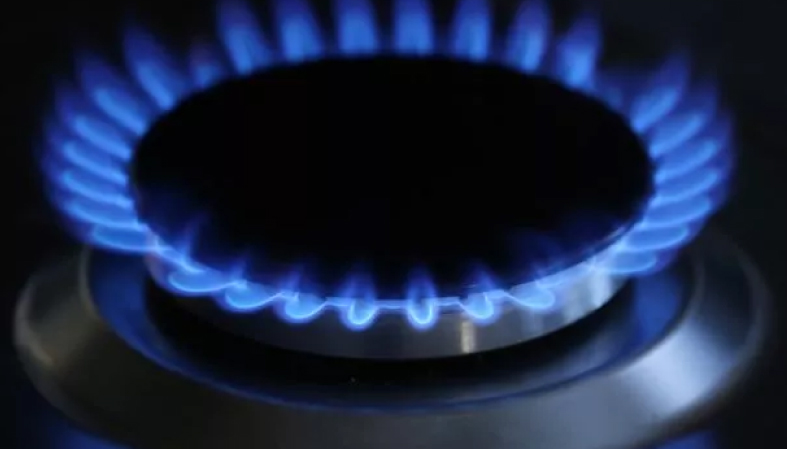


Comparing Gas and Electric Ranges: Pros and Cons
Gas ranges are highly effective in quickly adjusting temperatures, whereas electric ranges are known for their ability to keep a consistent level of heat. Gas ranges provide fine control for rapid adjustments during cooking, whilst electric ranges deliver uniform heating, making them perfect for simmering and baking. Gas ranges are preferred for their rapid responsiveness to temperature modifications, making them ideal for cooking techniques that require quick changes in heat.
Suitability of Cooking Styles: Gas ranges are well-suited for high-heat and flame-based cooking techniques, whereas electric ranges are optimal for baking and slow-cooking. Gas ranges provide enhanced temperature control, making it easier for swift and precise adjustments. Electric ranges offer consistent and uniform heat distribution, which improves precision during simmering and melting.
Installation and Energy Requirements: Gas ranges necessitate a gas line, while electric ranges require a regular electrical outlet. Effective ventilation is essential for gas ranges to properly eliminate combustion byproducts. Electric ranges require a separate circuit to meet their power requirements.
Cost and Longevity: Gas ranges typically have a greater upfront installation cost but tend to have a longer lifespan. Although electric ranges may have a lower initial cost, they can result in higher energy expenses in the long run. Gas ranges offer precise temperature control and rapid heating, resulting in effective performance for cooking at home. Electric ranges may necessitate more frequent maintenance and replacements as time passes.
Safety Considerations: Gas ranges present a minor potential for gas leaks, while electric ranges carry risks associated with electrical connections. Regular gas line inspections are crucial for identifying any indications of deterioration or harm and reducing the likelihood of gas leaks. When it comes to electric ranges, it is essential to have competent professionals install them correctly to reduce the potential dangers linked with electrical connections and maintain overall safety.
Choosing Between Gas and Electric Ranges
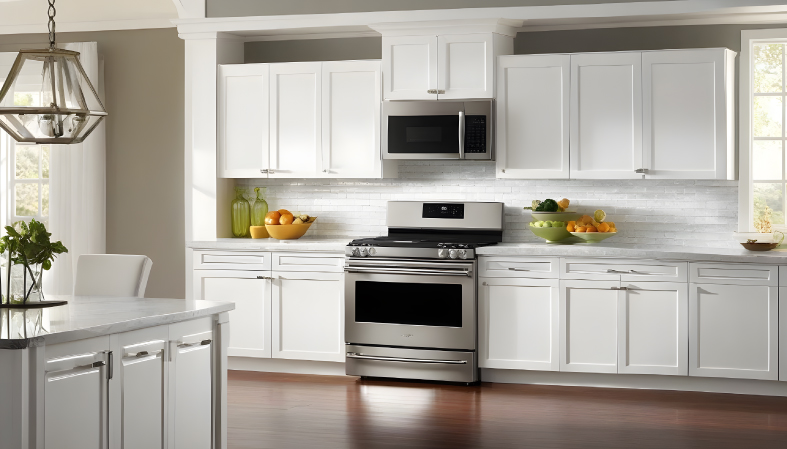
When selecting a range, consider your cooking habits, kitchen layout, available energy alternatives, and budget. Gas ranges are highly effective for cooking methods that require quick and frequent changes in temperature. Conversely, electric ranges are well-suited for applications that necessitate uniform and evenly spread heat.
When choosing, be sure to take into account aspects such as the long-term expenses for energy and the level of maintenance needed. This will help guarantee that your option matches your cooking preferences and lifestyle. By thoroughly examining these characteristics, you can make an informed option that improves your cooking experience and completely meets your kitchen requirements.
Conclusion
Gas and electric ranges have unique advantages that are designed to suit different cooking methods and kitchen layouts. To make an informed selection when choosing a stove that boosts your kitchen’s functioning and improves your culinary adventure, it is important to understand the complexities of each stove type. Make careful and thoughtful choices to fully unleash the capabilities of your cooking pursuits and improve the visual appeal of your kitchen area.