

Induction and dual fuel ranges are among the most innovative cooking options in the dynamic field of kitchen technology. Each option provides a distinct selection of characteristics specifically designed to accommodate various cooking methods and individual preferences. This article explores the essential differences between induction and dual fuel ranges, enabling you to make an informed decision that suits your cooking requirements and kitchen layout.
Induction ranges utilize electromagnetic technology to achieve accurate and rapid heating, providing immediate temperature regulation similar to that of gas ranges. These ranges are well-known for their high energy efficiency, improved safety features, and stylish, low-maintenance surfaces, which greatly enhance the cooking experience. Dual fuel ranges combine the accuracy of gas cooking on the stovetop with the reliable performance of an electric oven. Dual fuel ranges offer a wide range of culinary skills due to the combination of cooking methods, making them a popular choice for individuals who desire maximum culinary freedom.
Explore the unique benefits of induction and dual fuel ranges, enabling you to find the perfect option that suits your cooking preferences and culinary goals.
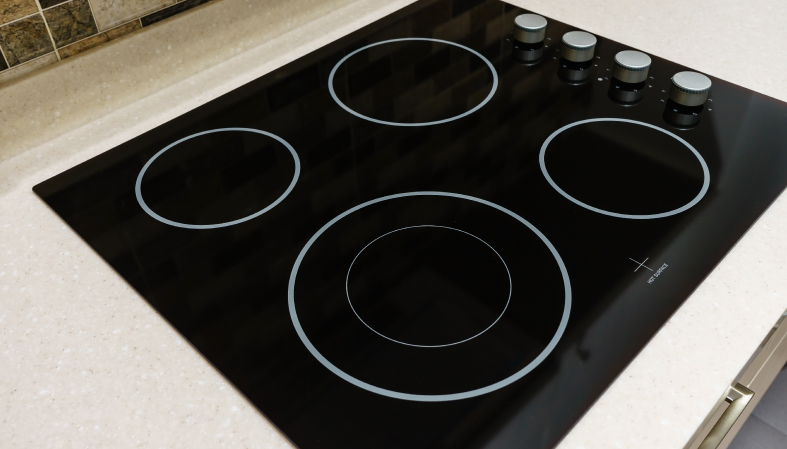


Dual Fuel Ranges: Combining the Best of Both Worlds
Dual fuel ranges combine gas cooktops and electric ovens, providing a wide range of advantages:
Gas Cooktop: Offers rapid heat adjustment and the advantages of flame cooking, similar to those found in conventional gas ranges. Accurate and prompt temperature control enables exactness in cooking methods such as searing and simmering.
Electric Oven: Provides consistent and uniform heat distribution, making it perfect for achieving even baking and roasting. Particularly well-suited for preparing delicate pastries and cakes. Consistent and precise temperature regulation guarantees ideal outcomes for delicate recipes like soufflés and custards.
Versatility: Capable of accommodating a diverse array of cooking techniques, ranging from intense searing at high temperatures to meticulous baking at precise settings. Dual fuel ranges are well-suited for home chefs due to their ability to adapt to various culinary styles.
Installation Requirements: This product requires both a gas line and an electrical connection, which may need to be taken into account in certain households. Ensuring enough ventilation is crucial for safely eliminating the byproducts emitted from gas stoves. Thorough assessment of your kitchen’s infrastructure and any adjustments are necessary when considering both gas and electrical connections.
Cost: Generally higher in price compared to single-fuel ranges, but provide increased versatility. Although the initial investment may be more expensive, the flexibility of dual fuel ranges compensates the price by offering a wide range of cooking alternatives to accommodate different culinary preferences.
Comparing Induction and Dual Fuel Ranges
Cooking Accuracy: Induction ranges provide exceptional precision on the cooktop, whereas dual fuel ranges provide versatility in achieving perfect oven cooking.
Induction ranges place a high importance on energy economy for the cooktop, while dual fuel ranges aim to achieve a compromise between the efficiency of a gas cooktop and the steady heat of an electric oven.
Induction ranges offer enhanced safety and convenience, as they are easier to clean and use less traditional cleaning procedures. In contrast, dual fuel ranges necessitate more traditional cleaning techniques and require additional safety considerations.
Cooking Requirements and Preferences: Take into account if stovetop cooking or baking and roasting play a significant role in your cooking style.
Installation and Cost: Induction ranges often have less complex installation requirements but require particular cookware. Dual fuel stoves are pricier and necessitate both gas and electrical connections.
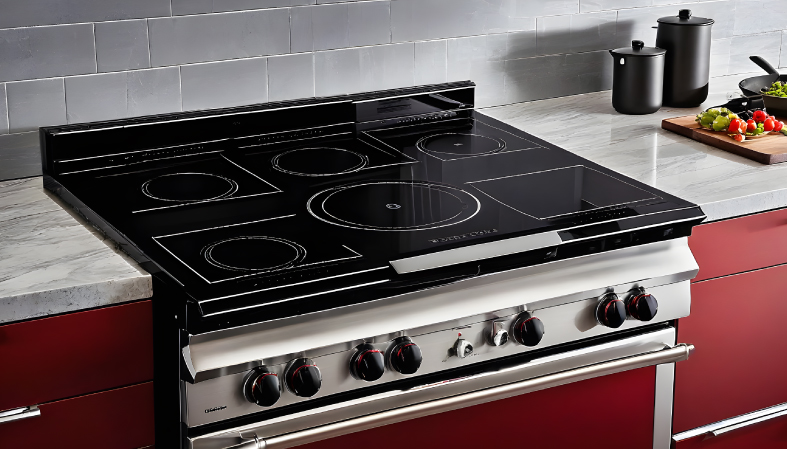
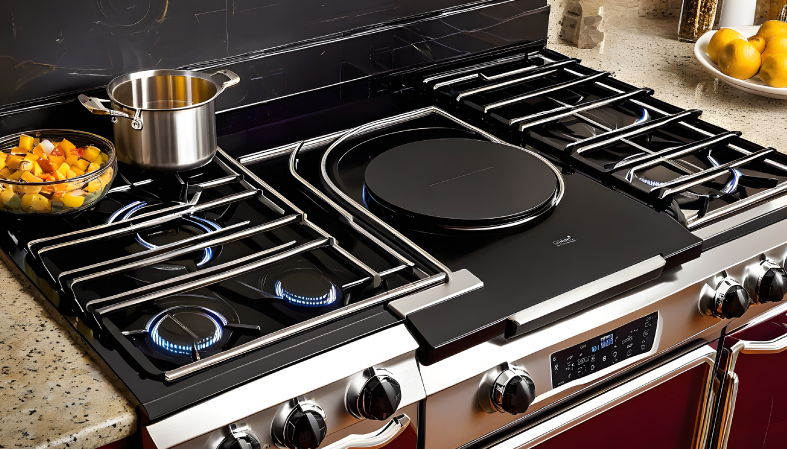
Choosing Between Induction and Dual Fuel Ranges
When deciding between an induction and a dual fuel range, consider your main cooking methods, kitchen arrangement, and financial constraints. Induction ranges are optimal for individuals that emphasize effective and accurate stovetop cooking, as well as considering safety and energy savings. However, dual fuel ranges are ideal for persons who value the blend of a quick and efficient gas cooktop with a reliable electric oven, especially for baking.
Conclusion
Induction and dual fuel ranges offer unique benefits to contemporary kitchen appliances. It is essential to acknowledge the differences in functionality, efficiency, and culinary versatility while deciding on the optimal range for your kitchen. Induction and dual fuel ranges offer advanced options for modern cooking, whether you prioritize precise stovetop cooking or a versatile oven experience.