


We’ve watched as kitchens have continuously changed, going from being just places to cook to becoming essential components of our houses. Range hoods were first introduced as a result of the increasing need for efficient ventilation that followed this evolution.
We examine the various types of range hoods that are currently available and delve into the intriguing history of range hoods in our complete guide. We look at their essential characteristics and qualities, taking price into account, and highlight the leading brands that have revolutionized the kitchen appliance market as a whole.
The History of Range Hoods
Early Beginnings
Range hoods have their roots in the days of old, when cooking was mostly done over open flames. As kitchens changed from being hearths to enclosed rooms, the problem of smells and scents grew more noticeable. Early innovators came up with practical solutions that efficiently directed smoke out of kitchen spaces, such as chimney-like constructions and simpler hood designs. These developments heralded the arrival of a crucial kitchen ventilation component.
Industrial Revolution Impact
The development of several types of hoods saw a tremendous transition throughout the Industrial Revolution. As gas and coal burners became more commonplace, kitchens became busy centers of activity, necessitating the use of efficient kitchen ventilation. Range hoods made of steel and iron became popular at this time as a way to collect and get rid of cooking residue. The basic designs of these early hoods were centered on eliminating smoke, which improved the quality of air inside.
20th Century
Range hood technology advanced significantly in the 20th century as it adjusted to the changing times. The creation of extremely effective electric fans for ventilation was facilitated by the integration of electricity. There was a noticeable upsurge in fashionable and eye-catching hood designs in the mid-1900s. These styles became focal features in kitchen architecture, elevating houses’ general appearance and atmosphere.
Types of Range Hoods
Ducted Hoods
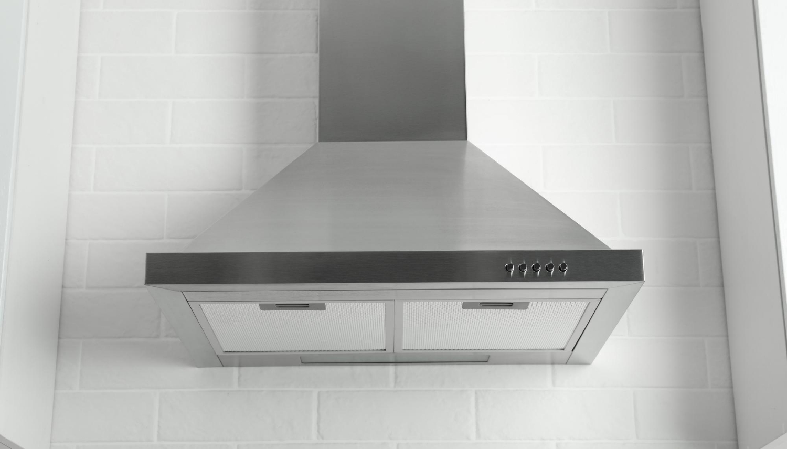

Among the most popular varieties are vented or ducted hoods, which frequently have an exhaust system that sends air outdoors. These hoods are great at eliminating steam, smoke, and smells, which makes them perfect for kitchens with ventilation systems. Despite their great efficiency, their complexity may necessitate professional-grade installation.
Ductless Hoods


Unlike its vented cousins, ductless hoods do not require ductwork in order to exhaust air outdoors. Rather, they use filters to collect smoke, grease, and other aromas and then circulate fresh air back into the kitchen. This means that they are appropriate for kitchens without access to outside ventilation or for people who want an easier time installing them. Even though ductless hoods might not have as much ventilation as vented hoods, they are still a practical and efficient option for a variety of kitchen layouts.
Island Hoods

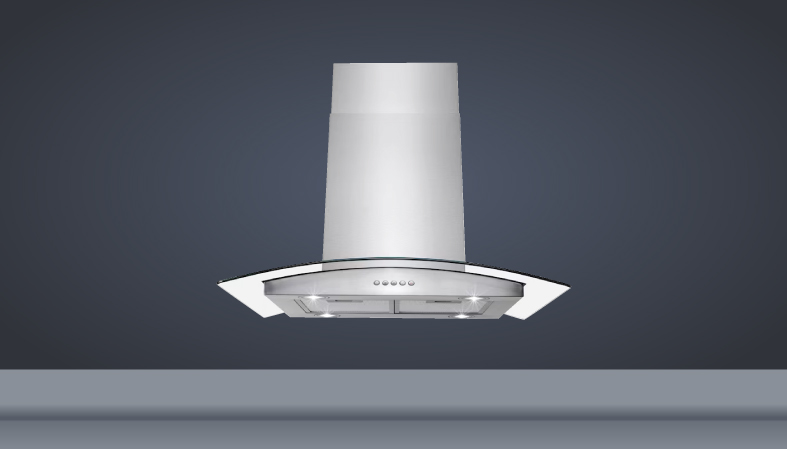
Island hoods are designed for kitchens with islands as opposed to walls as the cooking surfaces. These hoods, which are suspended from the ceiling, offer effective ventilation for open kitchen designs. Sleek design choices are growing more and more popular because they aesthetically balance kitchen islands and improve the room’s overall appearance.
Wall-Mounted Hoods
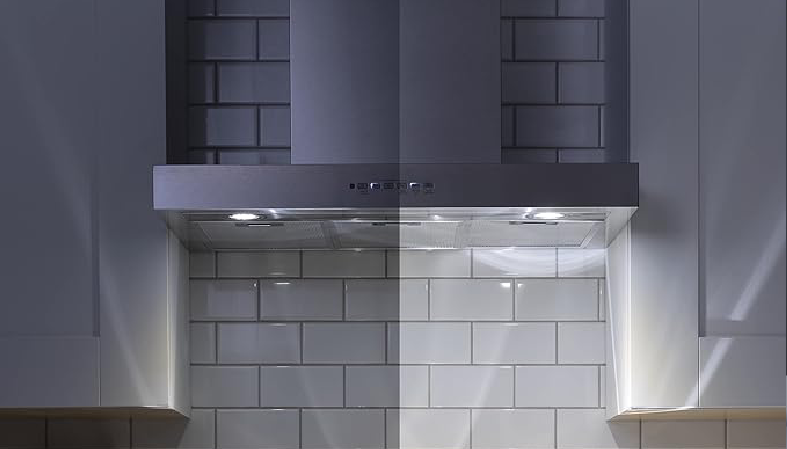

Wall-mounted hoods are exactly that—mounted directly on the kitchen wall, over the cooking area. These hoods are adaptable and can be used in a variety of kitchen layouts. They provide both practicality and visual appeal to any kitchen area, and they are available in a variety of designs to fit a variety of tastes.
Under-Cabinet Hoods
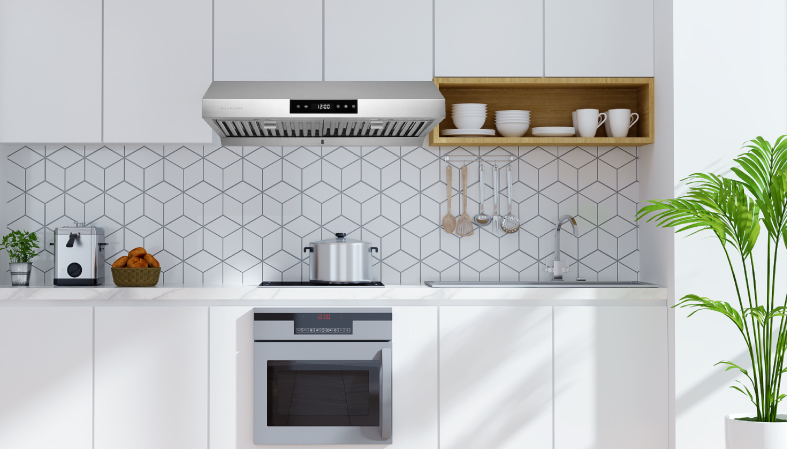
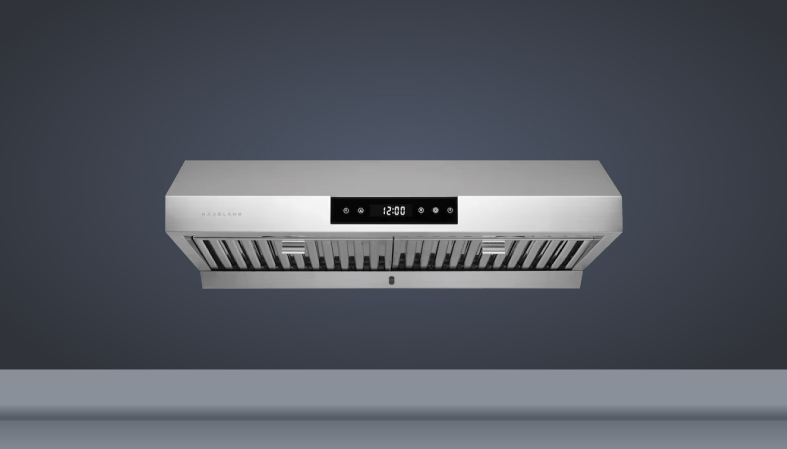
Given their small size and efficient use of space, under-cabinet hoods are ideal for kitchens with cabinets above the range. They are excellent at effectively eliminating smoke and smells while blending in with the overall style of kitchen areas. They are the best option for enhancing kitchen functionality and aesthetic appeal due to their streamlined construction.
Features of Range Hoods
Ventilation Power
The ventilation modes of a range hood, which are commonly expressed in cubic feet per minute or CFM, play a major role in determining its effectiveness. Better airflow and more effective removal of cooking byproducts including smoke, steam, and odors are indicated by a greater CFM. This measurement is essential for figuring out how well the hood will keep the kitchen tidy and cozy when cooking.
Filters
In range hoods, filters are essential. Baffle filters and aluminum mesh filters are two types of filters that are made to effectively collect grease and other particles. Filters protect the ducting and hood from harmful materials, extending the life and functionality of the ventilation system. Charcoal filters are frequently used by ductless hoods to filter the air inside, improving the quality of indoor air.
Noise Level
The amount of noise produced by a range hood during operation must be taken into account while choosing one. A lot of people like their range hoods to be silent so they can cook in peace. When doing research, look for hoods that are specifically made to reduce noise output, which will guarantee a calm and peaceful kitchen. Low-noise motors and sound insulation are two features that make cooking quieter and let you enjoy your culinary experiments without being interrupted.
Lighting
A lot of range hoods have lights integrated into them to provide efficient lighting for the cooking area. Because of its excellent energy efficiency and capacity to produce intense, focused illumination, LED lights are widely employed. This guarantees clear view throughout cooking, facilitating safer kitchen operations and accurate food preparation. In addition, LED lights last longer than conventional incandescent bulbs, which lowers the need for frequent replacements and adds to the overall energy savings.
Smart Features
Range hoods have changed along with technology in the age of smart houses. Smart features have been added to some models to improve functionality and user experience. Built-in sensors for automated operation based on cooking operations, communication with smart home systems for remote control and monitoring, and voice assistant compatibility for hands-free operation are a few examples of these smart features. In line with the broader movement towards smarter living spaces, range hoods that integrate smart technology into their design provide modern kitchens with increased efficiency and convenience.
Pricing Considerations
The cost of range hoods varies depending on a number of variables, such as extra features, materials utilized, and brand reputation. Although high-end products could cost more, there are plenty of affordable and economical options as well. A high-end range hood is an excellent kitchen investment since it guarantees excellent performance, longevity, and aesthetics. You can locate a range hood that satisfies your objectives for both practicality and style while staying within your budget by taking into account elements like brand reputation and essential features.
Why You Need a Range Hood
Improved Air Quality
Range hoods are essential for maintaining the quality of indoor air since they are good at eliminating steam, smells, and smoke from cooking. This feature is especially crucial in contemporary, energy-efficient buildings where there may not be as much natural ventilation. Range hoods make the inside atmosphere healthier and more comfortable by effectively collecting and venting these byproducts outside, improving the home’s overall quality of life.
Heat Reduction
Cooking may generate substantial heat, and in the absence of adequate ventilation, kitchens can get uncomfortably warm. Range hoods are essential for maintaining a pleasant cooking atmosphere by efficiently eliminating excessive heat. Range hoods facilitate temperature regulation by expelling hot air and steam outdoors, thereby enhancing the cooking experience with increased comfort and enjoyment. Efficient temperature management is crucial in contemporary kitchens to provide maximum comfort and productivity.
Enhanced Kitchen Safety
Eliminating grease and smoke using range hoods greatly improves kitchen safety. Range hoods enhance safety and create a more pleasant cooking environment by efficiently eliminating fire dangers and odors. By minimizing the risk of grease buildup and smoke inhalation, homeowners can have peace of mind when cooking, as they can be confident that their kitchen is not only clean but also safer for themselves and their loved ones.
Functions of Range Hoods
Ventilation
The range hood’s operation is primarily dependent on airflow. The hood efficiently removes and captures airborne particles, successfully preventing the accumulation of smells and grease, therefore ensuring a healthier and cleaner kitchen atmosphere. This crucial feature not only improves the comfort of cooking but also plays a role in maintaining overall cleanliness and upkeep in the kitchen.
Lighting
Range hoods frequently include integrated lighting to brighten cooking areas, in addition to providing ventilation. This lighting serves to improve vision and also contributes to the functionality and aesthetics of the kitchen. Range hoods enhance the cooking experience by providing abundant illumination, allowing for better food monitoring and creating a more pleasant atmosphere in the kitchen.
Style Element
Range hoods have advanced from basic kitchen appliances to become essential elements in kitchen design. selection hoods play a vital role in enhancing the overall aesthetic of kitchen spaces because to the large selection of materials, designs, and finishes they offer. Their existence contributes an element of refinement and elegance, while also fulfilling crucial practical needs. Range hoods, whether they have a sleek and modern design or a classic and graceful one, are essential for improving the visual attractiveness and practicality of the kitchen space.
Top Brands Through Time
Early Innovators
Several prominent firms, such as Westinghouse and General Electric, are at the forefront of developing cutting-edge range hood designs that promote efficient ventilation systems. These companies prioritize delivering solutions that not only fulfill the practical needs of ventilation but also provide fashionable and contemporary designs to enhance the overall visual appeal of the kitchen. They persistently strive to advance range hood technology, ensuring their products suit the changing demands of consumers, while maintaining a strong focus on innovation and quality.
Mid-Century Leaders
In the mid-20th century, prominent manufacturers such as Broan gained recognition for their emphasis on both functionality and visual appeal in the design of range hoods. These companies prioritized both the utility and aesthetic appeal of their goods by incorporating sleek and visually attractive designs that aligned with current trends in kitchen appliances. Their dedication to excellence and originality played a pivotal role in defining the current state of range hoods, establishing them as indispensable components in modern kitchen environments.
Modern-Day Pioneers
Technological advancements have driven top-tier hood brands such as Bosch, KitchenAid, and Zephyr to adopt innovation. These brands are innovators in the contemporary kitchen industry, bringing advanced features like LED lighting, touch controls, and smart networking. By integrating state-of-the-art technology, they have transformed range hoods from basic essentials into advanced kitchen accessories, providing improved usefulness, convenience, and design to consumers who desire the most recent advancements for their homes.
Conclusion
To summarize, our detailed purchasing guide has provided insight into the impressive development of range hoods, starting from their modest origins in ancient kitchens to the sophisticated and technologically advanced types available today. Over the course of many centuries, range hoods have seen significant advancements and improvements, making them essential kitchen appliances that fulfill the increasing needs of contemporary homes for efficient ventilation and improved cooking experiences. As we adopt the most recent developments in design and technology, the need for these indispensable kitchen tools continues to increase, influencing the way we prepare meals and reside in our houses.