

The progressive development of kitchen appliances has brought forth a wide range of advancements designed to improve convenience in our daily lives. Out of all these innovations, the unassuming food disposer stands out as a remarkable progression in kitchen technology. When examining the history of food disposers, we discover that they have progressed from basic origins to advanced versions, becoming essential features in contemporary kitchens. These gadgets are essential for fostering sustainable and effective waste management methods.
Overview of Food Disposers
What is a Food Disposer?
Food disposers, or garbage disposal devices, are advanced kitchen machines designed specifically to efficiently dispose of and shred food waste in an environmentally friendly and simple way. These units are easily placed under the kitchen sink and seamlessly connected to the kitchen’s drainage system, making it easy and efficient to dispose of food waste.
The History and Evolution
Early Beginnings to Modern Developments
The inception of food disposers can be traced back to the early 20th century, namely to John W. Hammes’ groundbreaking patents in 1927. Nevertheless, it was not until the period following World War II that these disposers became widely popular in American households. Progressive technology breakthroughs have continued to propel the development of these gadgets, in line with the increasing environmental consciousness. Currently, the most superior food waste disposers exhibit sophisticated designs, which demonstrate a dedication to both effectiveness and ecological sustainability.
Features of Modern Food Disposers Key Characteristics
Contemporary food disposers provide a variety of features and capacities that improve their efficiency and efficacy. Gaining a comprehensive understanding of these factors is essential in order to choose the most suitable equipment for your kitchen.
Motor Power
The performance of the motors in food disposers is crucial in their capacity to efficiently ground resilient food scraps. These disposers have a higher motor power, which enables them to effectively process a wide range of garbage. As a result, they are essential for larger families that generate a significant amount of waste.
Grinding Technology
Notable improvements in grinding technology have resulted in significant increases in efficiency for several food disposers. These innovations in waste disposal methods are specifically engineered to ensure that food waste is thoroughly disintegrated, hence preventing the occurrence of blockages in plumbing systems.
Noise Reduction
An evident disadvantage of early disposers was the noise they produced. Nevertheless, contemporary appliances are incorporating noise reduction technology, leading to a noiseless and inconspicuous performance that fosters a tranquil kitchen ambiance.
Build Quality
When selecting a food disposer, it is important to take into account its enhanced durability. Appliances that have stainless steel parts and strong construction generally have a longer lifespan, which makes them a worthwhile investment for any kitchen.
Pricing and Affordability
Cost Considerations
However the starting range of the food disposers becomes the consideration for the few as it is vital to weigh down the long-term perks. Investments into the quality units would aid in cost-efficiencies for the different repairs of the plumbing jobs while contributing to the highly sustainable and efficient kitchen areas.
Usage and Application
Why Do You Need a Food Disposer?
Convenience: Managing food waste has never been easier with a food disposer investment. With Residential Food Waste Solutions, disposers provide quick and effective waste removal, saving you time and effort compared to gathering or disposing of scraps in the garbage.
Hygiene: Immediately disposing of food waste contributes to a clean kitchen atmosphere. Disposers lessen the possibility of drawing bugs or offensive odors by quickly eliminating organic materials.
Environmental Impact: By keeping organic waste out of landfills, food disposers help to promote environmental sustainability. The overall environmental impact of home garbage can be decreased by turning properly handled food waste into useful compost.
Functions of Food Disposers
How Do They Work?
Food disposers function by employing a grinding chamber that is fitted with impellers to dismantle food waste into smaller bits. Water subsequently carries these particles through the plumbing system, aiding in the prevention of jams and clogs.
Top Brands Through the Years
Notable Manufacturers
Multiple manufacturers have a significant impact on the development and structure of food disposers. Identifying these prominent Food Disposer Brands might help buyers make well-informed choices.
InSinkErator
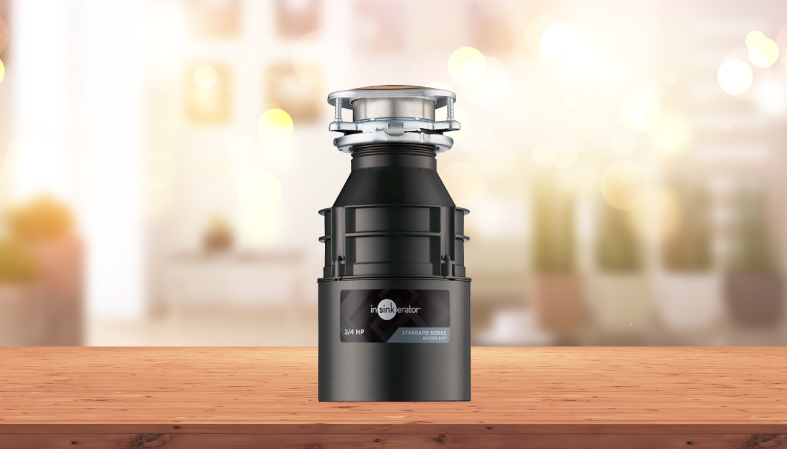
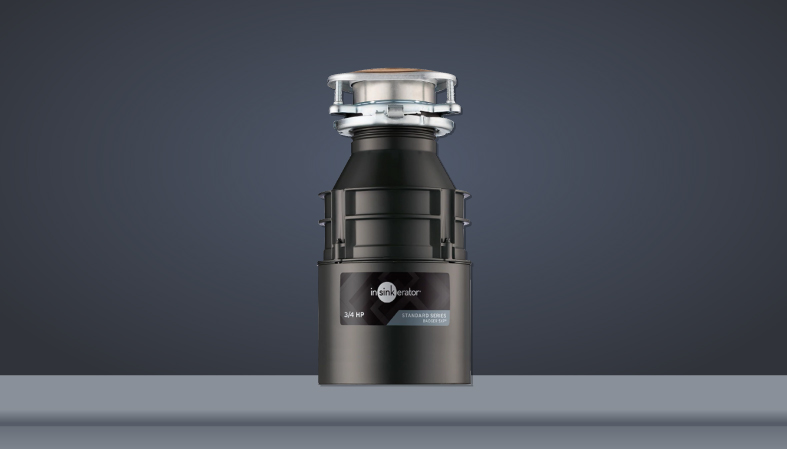
Since the 1930s, this innovative firm has been leading the way in manufacturing disposers, establishing a reputation for unparalleled quality and innovation. Their unwavering dedication to achieving the highest standards of quality has firmly established them as a very dependable brand in the market.
Waste King
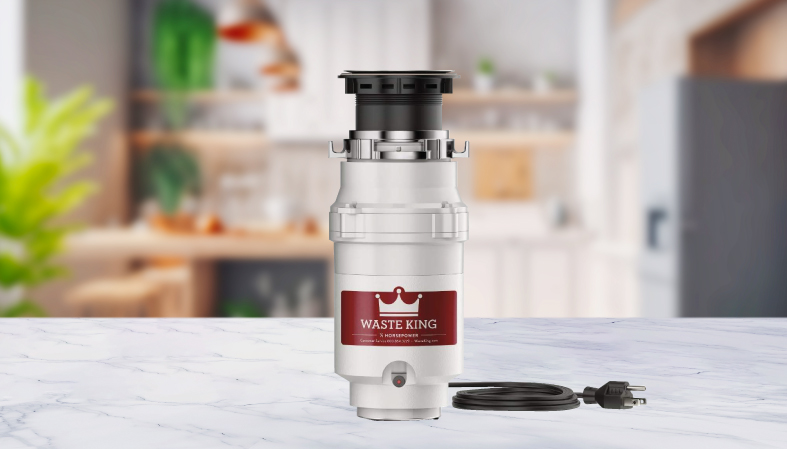

Waste King is well-known for its very effective and powerful disposers. These machines feature robust motors, making them the preferred option for demanding use in busy kitchen settings.
Moen
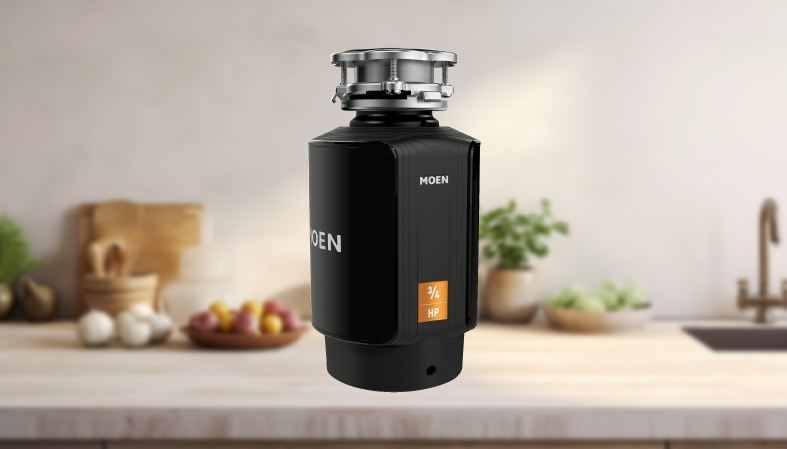
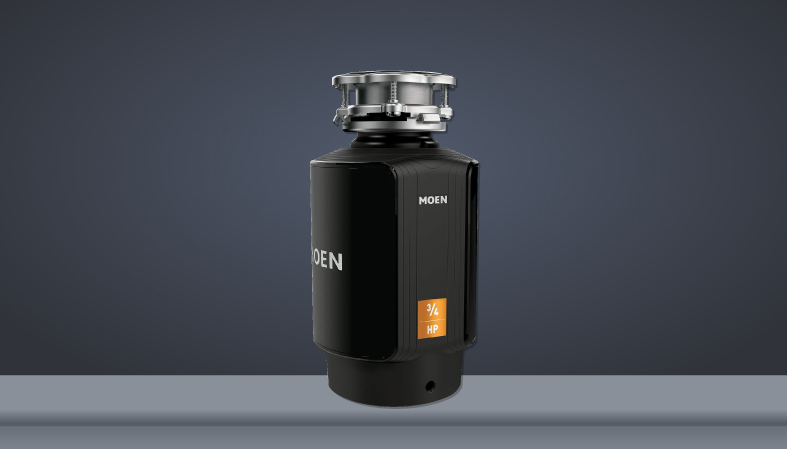
Moen has received much recognition in the field of plumbing fittings and has expanded their knowledge to include a range of food disposers. These appliances combine fashionable looks with dependability, appealing to individuals who value both the appearance and performance of their kitchen equipment.
GE Appliances and KitchenAid
GE and KitchenAid are renowned for their extensive range of kitchen appliances that have produced substantial advancements in the food disposer business. These units effortlessly combine with other kitchen gadgets, boosting the overall visual attractiveness of the kitchen area.
Different Types of Food Disposers
When selecting food disposers, it is crucial to examine the wide array of choices offered on the market to ensure they align with your particular requirements.
Continuous Feed vs. Batch Feed
Continuous feed disposers enable uninterrupted trash disposal as the unit operates continuously. On the other hand, batch feed disposers necessitate customers to input waste in separate batches before initiating the unit. The selection between these two categories is contingent upon individual inclinations and distinct requirements.
Septic System Compatible Disposers
When choosing a disposer for houses with distinct septic systems, it is essential to go for one that is specifically engineered for optimal compatibility. These units are designed to decompose waste in a way that is more secure for septic systems, avoiding any negative impact on their performance.
Conclusion
Food disposers have significantly evolved since their modest origins. As they have developed alongside a wide variety of advanced appliances, they today provide unmatched convenience, cleanliness, and environmental friendliness. Contemporary food disposers, made possible by improved technology and respected manufacturers, are now considered vital additions to modern kitchens. They offer a combination of efficiency and sustainability.