

Introduction
Our equipment selection in the modern kitchen is a reflection of our culinary goals, and it is a space dedicated to efficiency and creativity. Two well-liked options for cooking surfaces stick out from the rest: rangetops and induction cooktops. In order to maximize your culinary experience, it is imperative that you comprehend the distinctions between each as they each have unique benefits and cons.
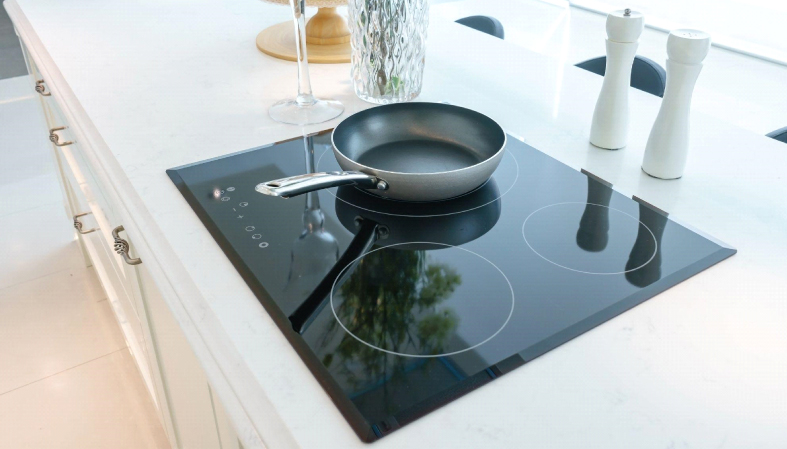
Increasingly popular are induction cooktops because of their precise temperature control, quick heating times, and low energy consumption. They heat the cookware directly using electromagnetic technology, which keeps the cooktop surface cold to the touch for increased safety and simple maintenance. On the other hand, people who like the tactile feedback of open flames or traditional electric coils are drawn to rangetops, integrated gas or electric cooktops.
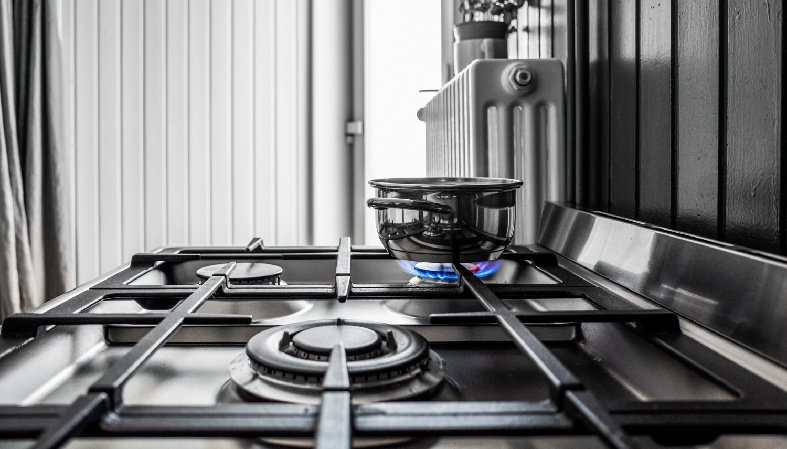
Rangetops are ideal for cooks who like manual flame control since they provide a visual indicator of heat levels and perform well in activities requiring quick adjustments. But because of their burners and grates, they could be less energy-efficient than induction cooktops and be more difficult to clean. The decision between various cooking surfaces ultimately comes down to personal tastes, cooking methods, and how important speed, accuracy, and aesthetics are to you.
1. Induction Cooktops: A Blend of Technology and Efficiency
What are Induction Cooktops?
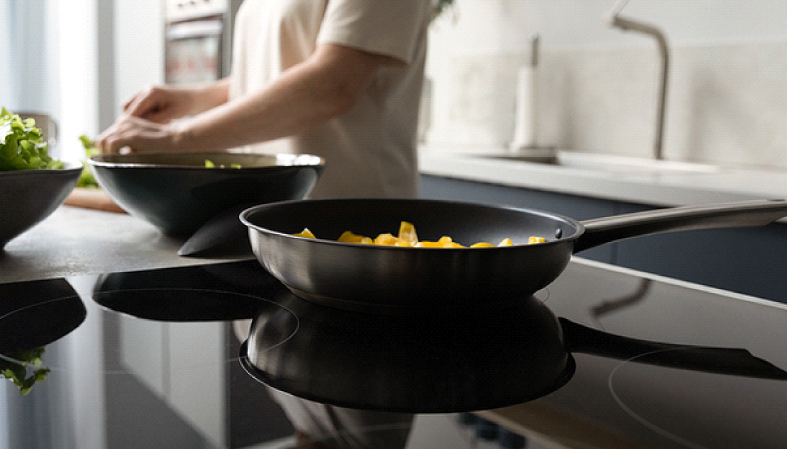
With their direct heating via electromagnetic fields that ensure quick heating and accurate temperature control, induction cooktops completely transform the cooking experience. Induction cooktops are energy-efficient and have safety features in addition to their effective heating capabilities. In contrast to their conventional counterparts, they don’t heat up during operation, which lowers the possibility of burns, particularly in homes with young children. Their ability to produce heat solely when in contact with appropriate cookware reduces energy waste and makes kitchens more environmentally friendly. Additionally, their perfect temperature control produces exact cooking outcomes, which makes them desirable to home cooks and chefs who want to create food quickly and precisely. Induction cooktops are becoming a more popular option as technology develops, representing the modern kitchen’s quest of efficiency and innovation.
Pros:
Efficiency: A large portion of the energy used by induction cooktops is used directly for cooking, making them energy-efficient.
Safety: They minimize the chance of burns by staying cold to the touch.
Precision: Provides accurate temperature control, which is perfect for delicate culinary operations.
Ease of Cleaning: Cleaning the level surface is simple.
Cons:
Cookware Requirements: Cast iron or certain stainless steel cookware with magnetic characteristics is required.
Cost: Generally speaking, more costly than conventional cooktops.
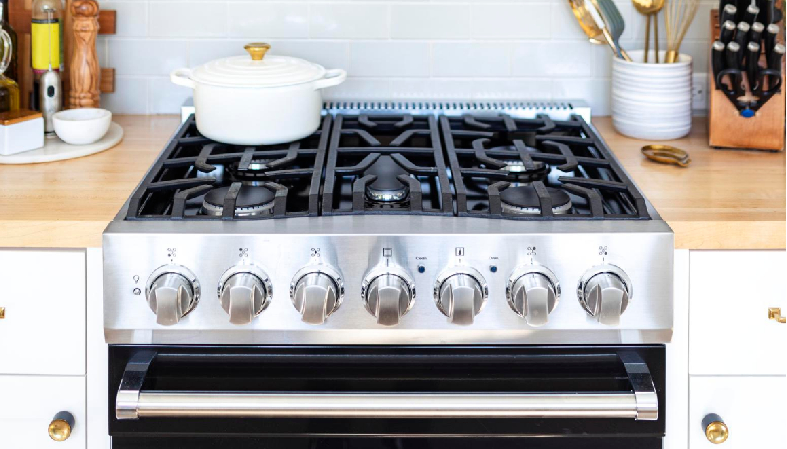
2. Rangetops: The Power of Professional Cooking
What are Rangetops?
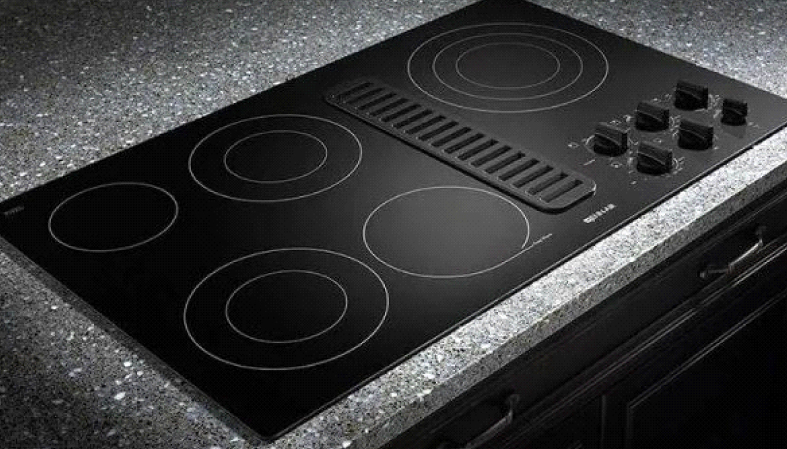
Similar to conventional stovetops, rangetops are larger, more powerful, and have more functions. Professional kitchens frequently use rangetops. Professional chefs and serious home cooks will find these equipment appealing because they are designed to offer cutting-edge culinary capabilities. With additional burners and a wider cooking surface, rangetops allow users to precisely prepare many dishes at once. They also usually have larger BTU outputs, which allows for faster searing, boiling, and general efficiency cooking. Certain versions are equipped with specialty burners, such as grills or grill plates, which increase the variety of cooking techniques. Rangetops are a great choice for people who value culinary quality and need durability to endure the rigors of frequent use in a busy kitchen setting because of its sturdy structure and sophisticated controls.
Pros:
High Heat Output: Ideal for high-temperature cooking and searing.
Versatility: Can accommodate a wide range of cookware.
Design: Offers a professional, robust look to the kitchen.
Cons:
Cost: Rangetops are often more expensive than standard cooktops.
Space Requirement: Requires ample space in the kitchen for installation.
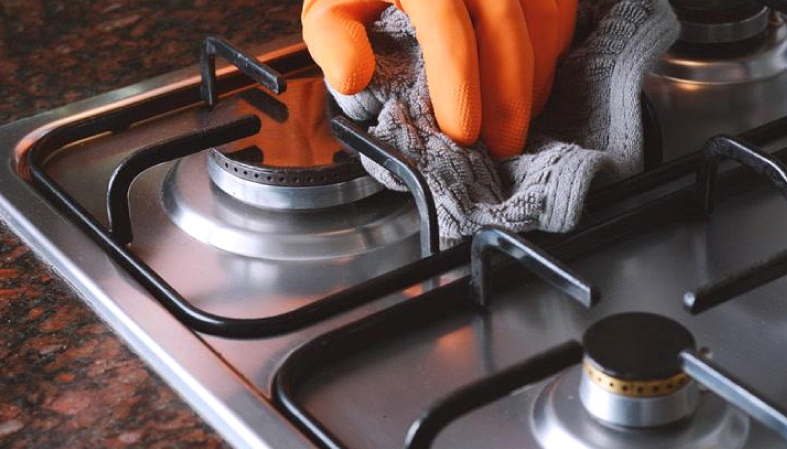
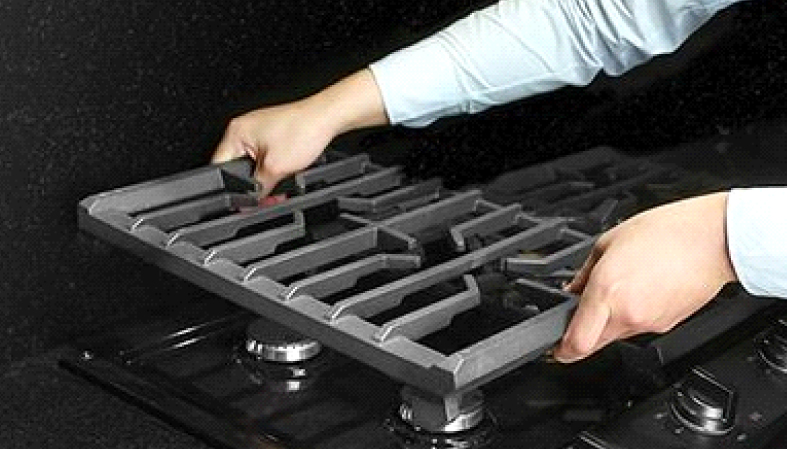
Cleaning: The presence of burners and grates may make cleaning more challenging compared to smooth surfaces like induction cooktops.
3. Comparing Cooking Performance
Induction:
- Better for low and precise heat requirements.
- Faster water boiling times.
Rangetops:
- Superior for high-heat cooking like stir-frying.
- More effective for cooking with woks or larger pans.
4. Cost and Installation
Induction cooktops typically have greater upfront expenses, partly because of the requirement for appropriate cookware and the technology involved. Rangetops may necessitate a more comprehensive installation, particularly if they are integrated into a wider range.
5. Aesthetic and Kitchen Design
Induction cooktops provide a stylish and contemporary appearance that may effortlessly integrate with surfaces. Rangetops offer a heightened level of sophistication to the appearance of a kitchen and can serve as a focal point in kitchen design.

6. Ease of Cleaning and Maintenance
Induction cooktops have a smooth surface that is more convenient to clean in comparison to the crevices and corners of rangetops. Nevertheless, rangetops frequently exhibit greater durability and are capable of enduring extensive usage.
7. Safety Considerations
Induction cooktops are inherently safer, particularly in houses with children, because of their surface that remains cool to the touch and their automatic shut-off capabilities. Rangetops necessitate increased vigilance due to the presence of an open flame or exposed heating sources.
8. Energy Efficiency and Environmental Impact
Induction cooktops exhibit higher energy efficiency, since they can convert up to 90% of energy into heat, surpassing the less efficient gas or electric rangetops.
Conclusion
The decision between an induction cooktop and a rangetop depends on several criteria, including cooking preferences, kitchen size, financial constraints, and safety issues. Induction cooktops provide contemporary efficiency and safety, making them perfect for accurate cooking and stylish kitchen layouts. On the other hand, rangetops offer both intense heat and flexibility, making them popular in professional kitchens or places where a large amount of cooking is done. Gaining a comprehensive understanding of these distinctions is crucial in order to make a well-informed choice that is in line with your culinary aspirations and the configuration of your kitchen.
This article offers an in-depth analysis, emphasizing the significant distinctions and factors to consider when comparing induction cooktops and rangetops. This information will be valuable for anybody seeking to make a well-informed decision for their kitchen.