


Often referred to as “fridges,” refrigerators are essential appliances for both homes and businesses. They have radically altered our understanding of food preservation, allowing us to store perishables for extended periods of time and maintain a diversified diet all year round.
The exploration of the world of refrigeration reveals the essential components of refrigerators that work together harmoniously to maintain ideal chilling conditions. Modern refrigeration has evolved to incorporate state-of-the-art technology, greatly increasing usefulness and efficiency. Modern refrigerators are not only more environmentally friendly but also more energy-efficient thanks to continuous developments in refrigeration technology. This development is indicative of a larger movement towards sustainable lifestyles.
Examining refrigerators’ intricate workings exposes a fascinating combination of engineering and science, highlighting their vital role in our everyday lives. The ongoing advancements in refrigeration technology support the growing focus on environmental stewardship while also enhancing cooling efficiency. These developments guarantee that contemporary refrigerators satisfy the needs of environmentally concerned customers, which is a critical step in the direction of sustainability.
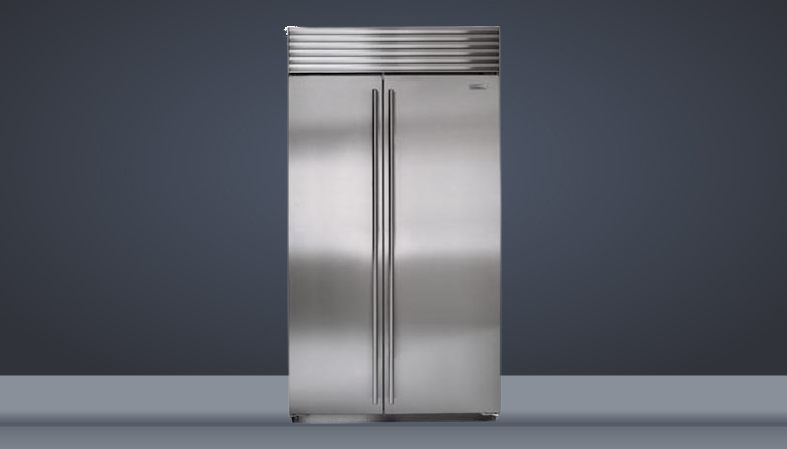
The Basics of a Fridge
A refrigerator is basically a big metal box that is used to store food at low temperatures in order to preserve its freshness. It is made up of a heat pump and a thermally insulated chamber. The term “fridge,” which is a contraction of “refrigerator,” is frequently used since it is convenient and well-known in everyday speech.
Exploring the Knowledge The voyage of refrigerators teaches us about the complex mechanisms that underlie these indispensable machines. It goes beyond just chilling food; it involves creating the right environment to keep food from spoiling and keeping its flavor and nutritious content. Acquiring this understanding is essential to appreciating the critical function freezers play in our daily lives, emphasizing how important they are to improving the functionality and convenience of modern kitchens.

How Does a Fridge Work?
Even though a refrigerator’s operation might seem complicated at first, it is based on very simple ideas. A refrigerator works essentially by transferring heat from its interior to its external surroundings. The refrigerator’s rear, especially the area around the metal pipes, gives off heat when handled because of this heat transmission.
A closed system that circulates refrigerant inside coils is the foundation of a refrigerator’s operation. By collecting heat from within the refrigerator and releasing it outdoors, this refrigerant is essential in separating hot from cold air. The compressor, which controls the flow of the refrigerant, the expansion device, the external condenser coils, the interior evaporator coils, and the fluid refrigerant are the five basic parts that drive the refrigeration cycle.
Understanding the interactions between these parts offers insight into the scientific concepts that support the effective functioning of a refrigerator. The compressor is the system’s central component, propelling the refrigerant’s journey and guaranteeing efficient heat transfer. While the evaporator coils within the refrigerator collect heat and maintain a chilly interior, the condenser coils help release the heat that has been absorbed into the surrounding air. In order to maintain the overall balance of the system, the expansion device is essential for regulating the flow of refrigerant.
Examining the complex interaction between these components helps one appreciate the creativity that goes into refrigerator design. The exact functioning of every part and the closed-loop system guarantee that refrigerators keep our food safe and fresh for longer. Investigating How Refrigerators Work, then, uncovers the sophisticated simplicity that lies beneath this essential home item.
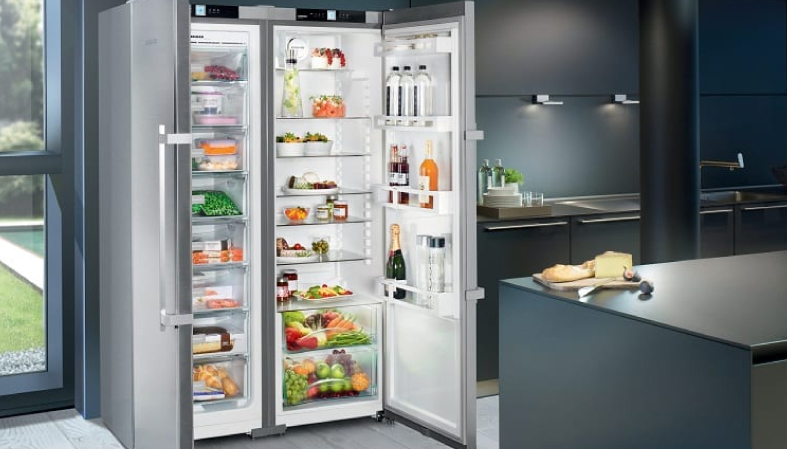
The Importance of a Fridge.
One of the most important appliances in our houses is the refrigerator, mostly because of its capacity to keep food and drinks cold. The appliance’s ability to maintain the nutritional value and freshness of food that has been preserved is mostly dependent on the circulation of a liquid refrigerant through a sealed system, which produces this cooling effect.
Despite popular belief, a refrigerator acts in an open system setting by moving heat from its interior, which is a small, confined space, to a warmer location, usually the kitchen or another room. This is because the refrigerator functions as a closed system for the refrigerant. The process of heat expulsion results in a colder interior environment, which considerably reduces the growth of bacteria and extends the shelf life of different food products.
Understanding the fundamentals of what a refrigerator is and how it works will help you make better use of this important device. Modern living relies heavily on the refrigerator, which can do everything from cooling your favorite drinks to preserving perishable groceries. The next time you reach inside your “fridge,” take a moment to appreciate the advanced technology that is keeping your food fresher every day without your knowledge.



Leave a Reply