

Introduction
The benefits and downsides of gas and electric cooktops are continuously debated in the culinary community. One of the best features of gas cooktops is their instantaneous heat control, which enables quick temperature changes. With ease, the flame may be changed, giving you more precise control over the cooking process. On the other hand, electric cooktops often respond more slowly, taking longer to heat up and cool down. But technological developments like induction cooktops have reduced this disparity. Induction cooktops are just as responsive as gas cooktops in terms of speed and accuracy of temperature adjustments. Due to this progression, there is now a new angle on the issue, one in which chefs must weigh the advantages of instant control against the latest advancements in electric cooking.

1. History and Evolution
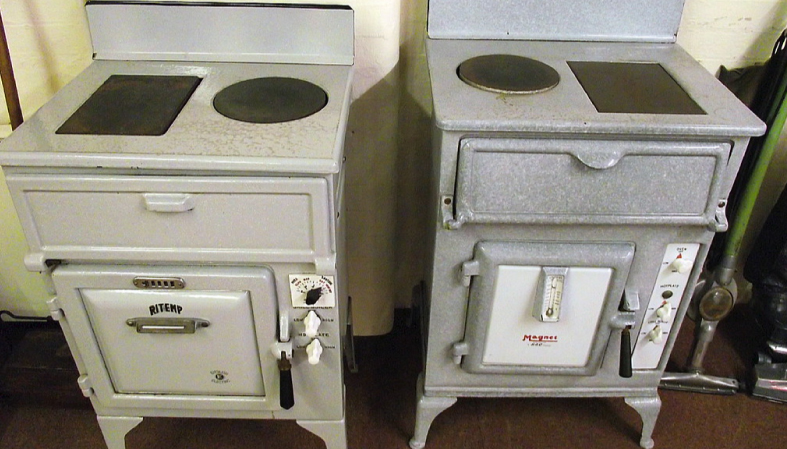
Professional cooks have always preferred gas cooktops because of their exact control and responsiveness. On the other hand, electric cooktops have advanced significantly, providing more even heat distribution and streamlined designs. The development of cooktops, whether gas or electric, is a reflection of both consumer preferences and continuous technology improvements.
Induction cooktops have become a ground-breaking development in the culinary world in recent years. By directly heating the cookware using electromagnetic technology, these cooktops offer quick and accurate temperature control that is on par with gas cooktops. The energy efficiency, safety features, and rapid cooling down of induction cooktops after the cookware is removed are highly praised. This technological advancement has given home cooks and professional chefs alike more alternatives, which has led to the ongoing evolution of kitchen appliances to meet the changing demands of contemporary cooking methods.
Cooktops are predicted to continue evolving in a dynamic and novel way as consumer preferences continue to shift toward sustainability and convenience.
2. Understanding Gas Cooktops
Pros
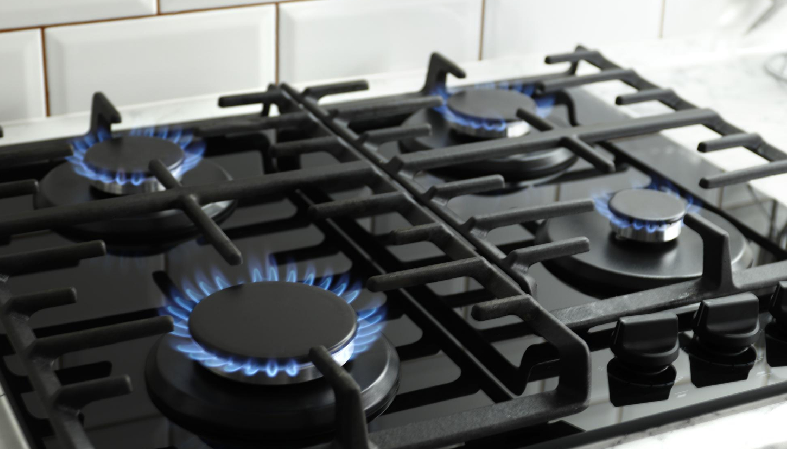
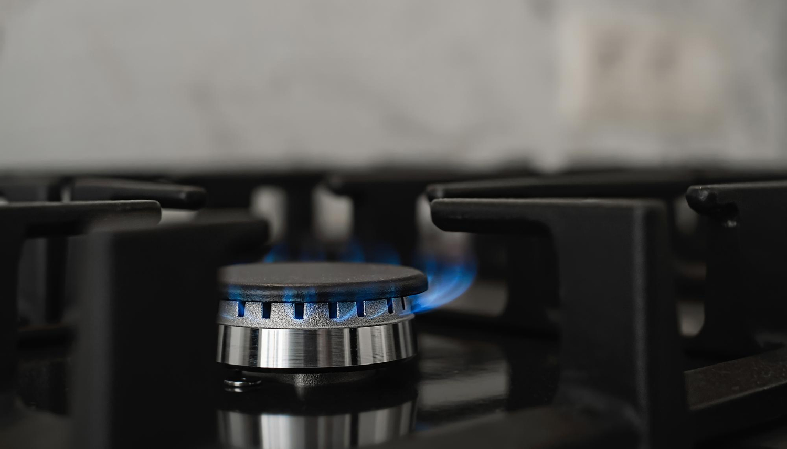
With the instantaneous heat control that gas cooktops provide, cooks can quickly modify the flame to the right temperature. This function is essential for cooking methods that need for exact control over the heat, including perfectly seared meats or simmering delicate sauces.
Moreover, the way that gas cooktops distribute their flames guarantees even cooking along the whole surface of the cookware. Achieving culinary perfection in a range of dishes requires a uniform distribution of heat to eliminate hot spots and guarantee consistent cooking results. Every component will be cooked to perfection thanks to gas cooktops’ equal heat distribution, whether you’re searing steaks, simmering soups, or sautéing veggies.
Cons:
Safety Concerns: Because gas cooktops have an open flame, they can be dangerous, especially for families with small children or pets. Accidental burns or other injuries may arise from coming into contact with the flame or hot surfaces. Furthermore, if gas leaks are not found and fixed right away, there is a significant risk of fire or explosion.
Installation and upkeep: Compared to installing an electric cooktop, installing a gas cooktop usually involves the installation of a dedicated gas line, which can be more complicated and expensive. For any gas leaks or vapors to properly disperse, enough ventilation is also necessary. Regular maintenance is required to guarantee the cooktop operates safely and avoid risks like carbon monoxide accumulation and gas leaks. This maintenance includes cleaning the burners and inspecting the gas lines.
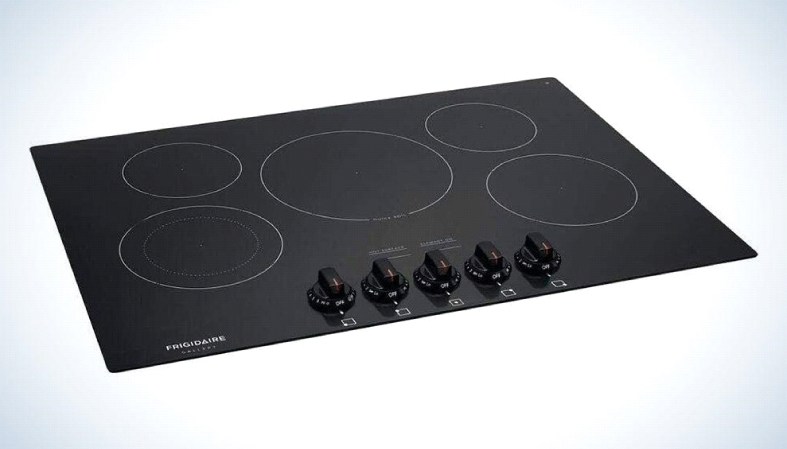
3. Delving into Electric Cooktops
Pros:
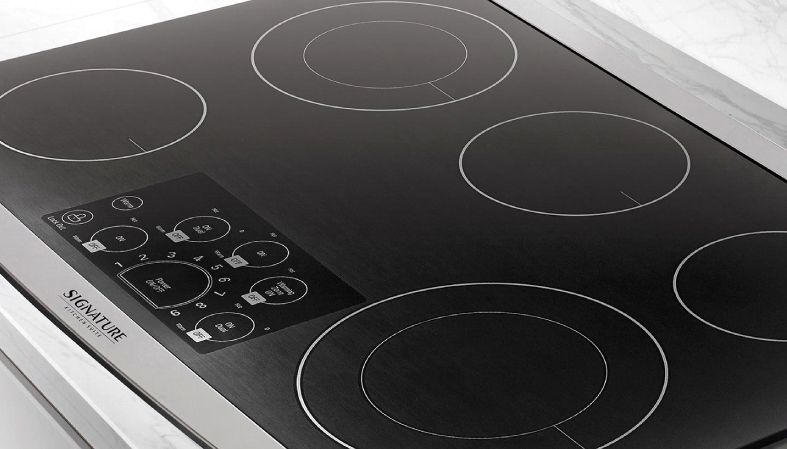
Energy Efficiency: Electric cooktops are generally more energy-efficient, with some models boasting an almost 100% energy transfer. This means that nearly all the energy supplied to the cooktop is converted into heat, minimizing waste and maximizing efficiency. In contrast, gas cooktops may lose some energy in the combustion process, resulting in lower overall efficiency.
Ease of Cleaning: The flat surface of most electric cooktops makes them easier to clean than their gas counterparts. Without grates or burners to remove and clean around, electric cooktops offer a more straightforward cleaning experience. Additionally, spills and splatters are less likely to get trapped in crevices, making it easier to wipe down the surface after cooking. Overall, electric cooktops may require less maintenance and effort to keep clean compared to gas cooktops.
Cons:
Heat Adjustment: Electric cooktops often take longer to heat up and adjust to temperature changes compared to gas cooktops. This slower response time can be a drawback for chefs who require immediate and precise heat control, especially when cooking delicate dishes that require quick adjustments in temperature. Gas cooktops, with their instant flame control, offer more rapid adjustments, providing chefs with greater flexibility and responsiveness during the cooking process.
Power Outages: In the event of a power outage, electric cooktops are inoperable, unlike gas cooktops. Gas cooktops can still be used during power outages since they rely on a separate gas supply rather than electricity. This can be advantageous in areas prone to frequent power interruptions or for individuals who prefer to have a cooking option available even when electricity is unavailable.
4. Cost Implications
Gas cooktops generally incur a higher initial expense compared to other options due to the installation prerequisites. This encompasses the requirement for a gas line installation, which may entail further effort and resources. Furthermore, the installation of gas cooktops may necessitate the expertise of professionals to guarantee adequate ventilation and the implementation of necessary safety measures, hence increasing the initial expenses.
Conversely, electric cooktops are typically more cost-effective to install as they do not necessitate a gas hookup. Installation can be accomplished by merely attaching the appliance to a pre-existing electrical outlet. Nevertheless, it is crucial to take into account the long-term expenses associated with operation. Electric cooktops have the potential to result in increased energy expenses, which is contingent upon the cost of electricity in the area and the manner in which they are used. When deciding between gas and electric cooktops, it is important to take into account this recurring cost as part of the overall cost assessment.
5. Energy Efficiency and Environmental Impact
Induction cooktops, in particular, are frequently more energy-efficient than gas cooktops. Nevertheless, the environmental consequences are contingent upon the method of electricity generation. Electric cooktops are typically regarded as a more environmentally friendly option when they are powered by renewable sources.
6. Cooking Performance
The selection between gas and electric power sources can definitely have an impact on the performance of cooking. Gas cooktops provide enhanced temperature control, which is advantageous for specific cooking techniques that necessitate accurate heat modifications. Conversely, electric cooktops offer superior heat distribution and are commonly favored for activities such as slow-cooking or simmering, where maintaining a consistent temperature is crucial.
Moreover, it is essential to take into account the enduring operational expenses linked to gas and electric cooktops. Gas cooktops are generally more economical in the long term, as natural gas is often cheaper than electricity when comparing the cost per unit of energy. Nevertheless, variations in gasoline prices can have an effect on the total operational expenses. On the other hand, electric cooktops can result in greater continuous operating expenses because they have the ability to consume more electricity, particularly if the electricity prices in a specific region are elevated. Customers must carefully evaluate both initial and ongoing expenses in order to make a well-informed decision that aligns with their budget and the prevailing energy prices in their area.


7. Aesthetics and Kitchen Design
Electric cooktops provide a contemporary and stylish look, making them perfect for modern kitchens. Gas cooktops offer a timeless and sophisticated appearance, reminiscent of traditional kitchen settings.
8. Safety Features
Contemporary electric cooktops frequently include sophisticated safety features like automatic shut-off and kid lock functions. Gas cooktops, although improved in terms of safety, nonetheless carry inherent hazards related to gas utilization.
9. Resale Value and Consumer Preference
Having a gas cooktop in some markets might enhance the resale value of a home. Nevertheless, consumer tastes exhibit significant diversity, with several individuals expressing a desire for the contemporary ease and enhanced safety features offered by electric versions.
Conclusion
In the end, the decision between gas and electric cooktops is based on individual tastes, cooking routines, and pragmatic factors like kitchen layout and energy infrastructure. A thorough consideration of the benefits and drawbacks of each type of cooktop is necessary prior to making a selection.
For operations requiring exact temperature adjustments, such searing and simmering, gas cooktops are perfect because they provide instantaneous heat control and even cooking. But because of the open flame, they present safety risks, and installing them calls for a gas line, which can be more difficult and expensive.
Electric cooktops, on the other hand, especially induction versions, offer smooth designs, reliable heat distribution, and security features like automatic shut-off. Although they might react more slowly than gas cooktops, technological improvements have reduced this difference. Since electric cooktops don’t need a gas line, they are also simpler to install and maintain.
In the end, the choice is based on personal priorities and tastes. While some cooks value the safety and convenience of electric cooktops, others might favor the precise control of gas cooktops. It is possible for customers to select the ideal cooktop for their needs by taking into account variables like cooking style, kitchen layout, and resources for energy.