


This purchasing guide is designed to help you understand the wide range of air conditioning systems available, including information on different types, features, and functions. This comprehensive guide covers all types of air conditioning units, including window units, split-systems, and portable ACs. It also provides information on important factors to consider, such as cost and the leading brands that are influencing the market.
Overview of Air Conditioning Units
The Air Conditioner Buying Guide explores the progression of air conditioning technology, starting from conventional window units to sophisticated ductless micro splits, to accommodate a wide range of preferences and needs. In addition to providing cooling, contemporary air conditioning equipment can also enhance indoor air quality and promote general well-being. Refer to this advice to make a well-informed choice when choosing the appropriate air conditioning unit for your area.
Types of Air Conditioning Units Room Air Conditioners
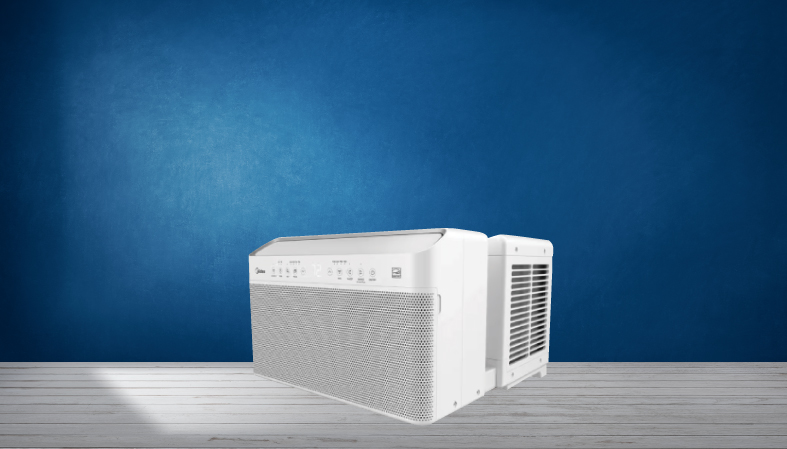
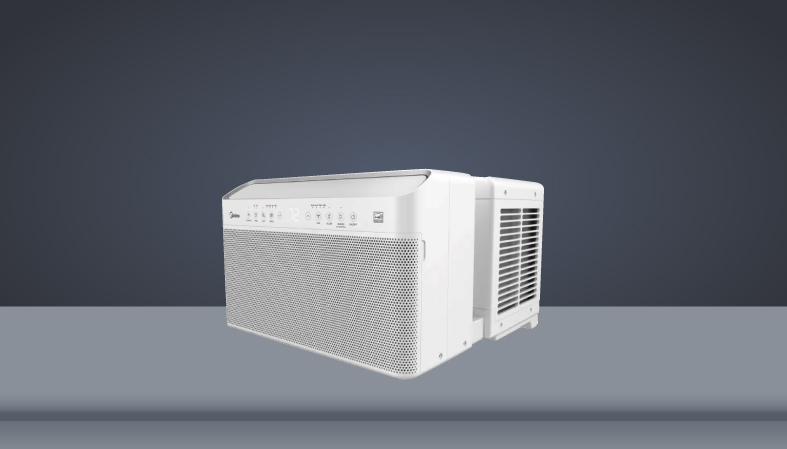
Room air conditioners provide a conventional and economical method for cooling individual rooms or small areas. With a wide range of options, these fans are adaptable for use in bedrooms, living rooms, or offices, delivering effective cooling wherever it is required.
Features:
- Installation options include mounting the window or going through the wall.
- Fundamental adjustable variables: temperature and fan configurations
- Models equipped with customizable energy-saving functions
- Includes a remote control for more convenience
Price Range
From $150 to $800, depending on features and capacity.
Usage
Suitable when it comes to cooling off individual rooms and small apartments when it’s impracticable or unaffordable to install central AC.
Ductless Mini-Split Systems (single zone, multiple zone, wall mount, ceiling mount)
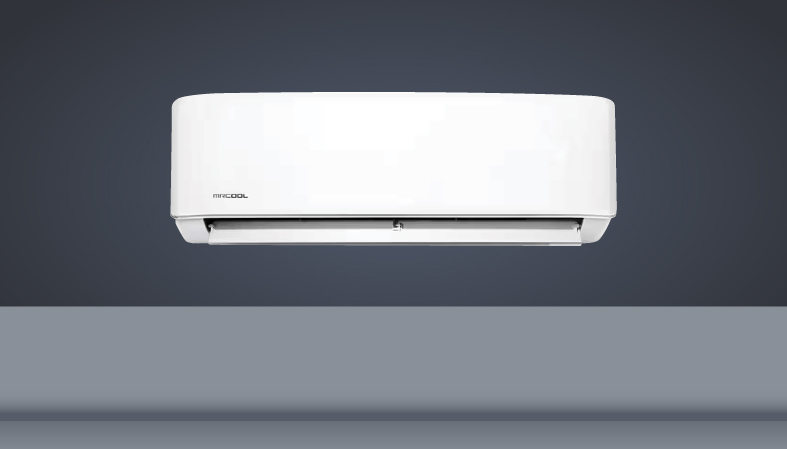

Ducted mini-split systems provide enhanced convenience and energy efficiency by eliminating the need for ducting. These systems comprise an interior unit and an external compressor that are connected by copper tubes, enabling effective cooling and heating.
Features
- Personalized climate control with single-zone or multi-zone options
- Space optimization with wall-mounted or ceiling-mounted indoor units
- Smart timers and sophisticated control features
- Customized zoned cooling for different room temperatures
Price Range
This will depend on the number of zones and features and would range from $1,000 to $5,000.
Usage
Designed for houses that have no ductwork, it is an efficient way of cooling a home and controlling temperature requirements in different rooms.
Portable Air Conditioners

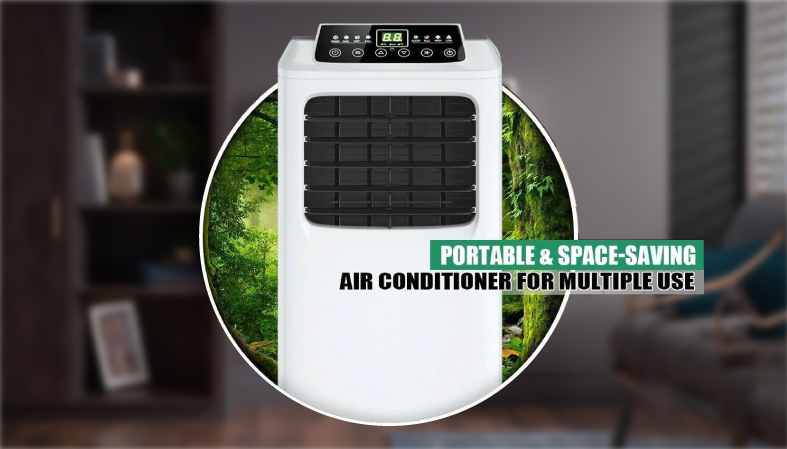
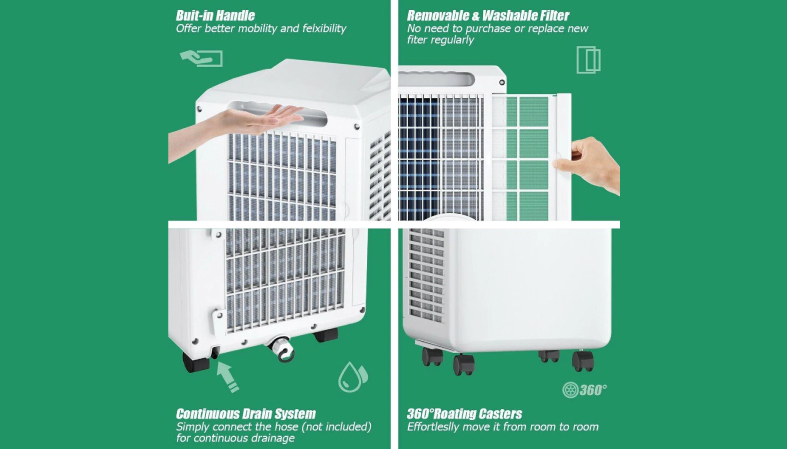
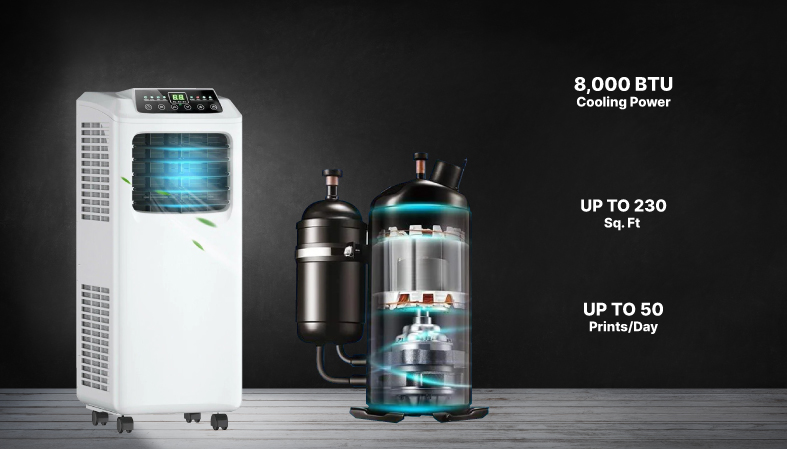
Portable air conditioners have exceptional versatility, enabling effortless relocation between different rooms. These devices are equipped with hoses that expel hot air through a window or opening, offering convenient cooling wherever it is required.
Features
- Enhanced mobility with built-in casters for easy movement
- Flexible installation options accommodate various room layouts
- Convenient remote control and programmable timers for effortless operation
- Ideal for both home and office environments, providing versatile cooling solutions
Price Range
The range of capacity and features varies from $300 to $1,000 each day.
Usage
Designed for tenants or those in need of temporary respite.
Window & Wall Air Conditioners
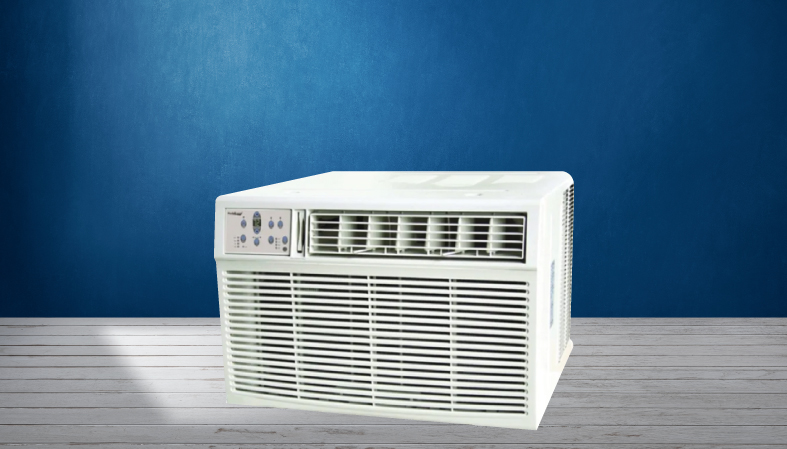

Window and wall units provide accessible and efficient cooling options for specific rooms, allowing for precise temperature control without requiring complicated installations. Due to their cost-effective pricing and uncomplicated installation process, these products guarantee rapid alleviation from high temperatures, rendering them optimal options for both residential and commercial environments.
Features
- Convenient installation choices include effortless through-the-window installation or wall mounting.
- Customizable temperature settings and fan speeds for individualized comfort
- Energy-efficient versions are specifically designed to maximize cooling efficiency while minimizing power usage.
- These models are perfect for targeting and cooling specific areas or rooms, offering effective and focused cooling solutions.
Price Range
The price range varies from $200 to $800, depending on the capacity and features.
Usage
Ideal for cooling individual rooms and small flats in cases when the installation of central air conditioning is impractical or too expensive.
PTAC Units (Packaged Terminal Air Conditioners)
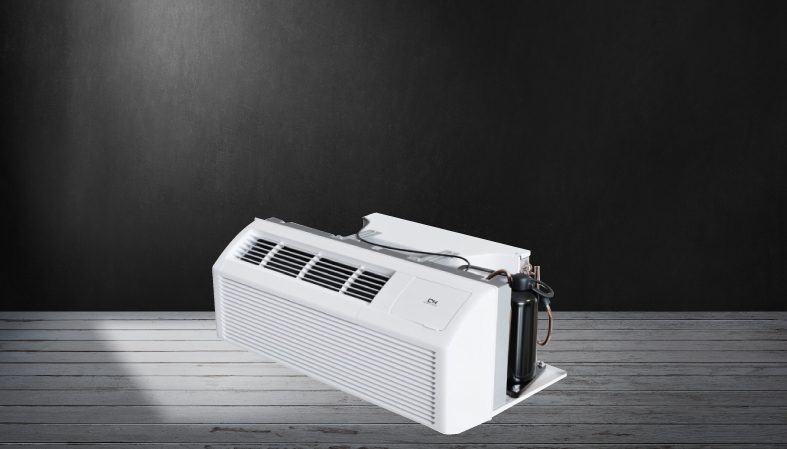
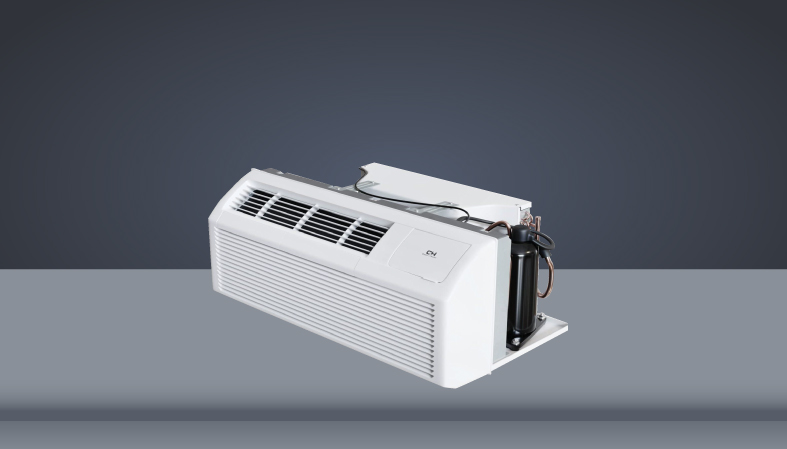
PTAC (Packaged Terminal Air Conditioner) units are widely favored in the hospitality and commercial sectors due to their flexible heating, ventilation, and air conditioning capabilities. These autonomous modules are readily mounted on an exterior wall, offering efficient regulation of temperature for particular rooms or spaces. PTAC units provide effortless integration and simple operation due to their compact design and plug-and-play installation. PTAC units provide dependable functionality specifically designed to meet the requirements of different commercial environments, whether it be for heating during cold nights, providing adequate airflow, or cooling on hot days.
Features
- Benefit from comprehensive residential heating and air conditioning solutions through adaptable PTAC units.
- Experience accurate temperature regulation and adjustable fan options for tailored comfort.
- Easily install these units by mounting them on the wall to seamlessly blend into any space.
- Perfect for various commercial environments, offering dependable climate regulation across the entire facility.
Price Range
The capacity and features of the product vary based on the price range, which spans from $700 to $2,500.
Usage
Designed for establishments such as hotels, motels, and similar settings that necessitate the ability to manage the temperature of each room separately.
Why You Need an Air Conditioner
Although air conditioners are initially meant to provide comfort from very hot temperatures, they offer numerous additional benefits that go beyond this purpose.
Comfort
In the scorching heat of summer, it is crucial to ensure that indoor temperatures and humidity levels are kept at a pleasant and ideal level for the sake of overall well-being. This is particularly essential for susceptible populations such as the elderly, who may encounter increased exhaustion and pain in hot temperatures. An air conditioner can be used to create a pleasant indoor environment that provides both relief from high temperatures and enhances physical and emotional well-being, resulting in a more comfortable and enjoyable living area for everyone.
Health
Air conditioning not only lowers the temperature of the air, but it also has a substantial impact on improving the quality of indoor air. By effectively removing dust, allergies, and hazardous pollutants, it establishes a more hygienic and salubrious environment for individuals present. This is especially advantageous for persons who have respiratory disorders such as asthma or allergies, since it aids in reducing symptoms and offering respite from airborne irritants. By utilizing air conditioning, individuals can experience improved indoor air quality, leading to enhanced comfort and a reduction in allergens. This ultimately contributes to the general well-being and health of all occupants.
Sleep Quality
It is essential to maintain a cool and comfortable temperature in the bedroom to guarantee a restful and high-quality sleep. Air conditioners are essential for maintaining an ideal sleeping environment by controlling the temperature and humidity of the room. Thanks to the inclusion of air conditioning, folks can experience undisturbed and serene slumber during the entire night. Air conditioners enhance sleep quality by creating a pleasant and comfortable environment, enabling folks to wake up in the morning feeling revitalized and invigorated.
Functions of Air Conditioning Units
Air conditioning serves multiple functions beyond just cooling. In addition to managing indoor temperature, air conditioners also serve to regulate humidity levels, purify the air by filtering out pollutants and allergens, and promote the circulation of clean air throughout indoor spaces. Furthermore, contemporary air conditioning systems frequently include functionalities such as dehumidification, ventilation, and air filtration, all of which serve to improve individuals’ comfort and overall health.
Cooling
Undoubtedly, the main purpose of an air conditioner is to control the internal temperature, guaranteeing a cozy and enjoyable atmosphere regardless of the exterior weather conditions. The efficacy of an air conditioning system in attaining this objective is contingent upon variables such as the dimensions of the space to be cooled and the efficiency of the unit itself. Regardless of whether it is a single room or a complete living space, it is important to ensure that the air conditioner is of the correct size in order to properly chill the allocated area and operate efficiently in order to maintain the desired temperature levels.
Dehumidifying
Air conditioners are essential in avoiding the growth of mold and mildew, as they lower humidity levels in the air, creating an environment that is unfavorable for their development. By keeping humidity levels low, not only can the growth of hazardous bacteria be prevented, but it also helps create a cozy and calming home environment, enhancing general comfort and well-being.
Filtering
Most residential cooling systems are equipped with air filters that are specifically intended to trap dust, pollen, and other harmful particles in the air, resulting in improved indoor air quality. This function is particularly advantageous for persons with respiratory conditions, as it aids in minimizing their exposure to allergens and pollutants, hence enhancing respiratory health and overall well-being.
Top Brands Through Time
During that era, several leading AC brands played pivotal roles in advancing air conditioning technology, contributing to its widespread adoption and evolution.
Early Innovators
Carrier: Carrier is renowned as the pioneer of the air conditioning business, having invented modern air conditioning in 1902.
General Electric (GE): GE is renowned for its pioneering innovations in electrical equipment and played a significant role in the development of the initial air-conditioning systems.
Modern Leaders
Daikin: Daikin is a Japanese multinational corporation that specializes in producing energy-efficient and innovative HVAC (heating, ventilation, and air conditioning) systems.
Mitsubishi Electric: Mitsubishi Electric has become a major player in the global heating, ventilation, and air conditioning (HVAC) market due to the popularity of its ductless mini-split system.
Emerging Innovators
LG: LG has been a prominent supplier of contemporary air conditioners for a considerable period, offering intelligent features that enhance consumer engagement.
Gree: Gree, a Chinese multinational firm, is becoming a significant competitor in the global HVAC industry and offers a wide selection of air conditioners.
Pricing and What Affects It
Gaining knowledge about the several elements that impact the price of an air conditioner, such as energy efficiency ratings, can give consumers the ability to make well-informed choices when choosing the appropriate cooling system for their requirements.
Unit Type
The choice of air conditioning unit also has a substantial impact on the cost. Ductless mini-split systems and centralized air conditioners typically have higher price points in comparison to window or portable units.
Features
Advanced features, such as smart thermostats, programmable timers, or high energy efficiency ratings, can result in a greater cost. Nevertheless, these characteristics frequently improve the overall effectiveness and user-friendliness of the equipment.
Installation
The installation cost varies depending on the degree of complexity. However, the total cost will be higher due to the necessity of professional installation for ductless mini splits.
Conclusion
Choosing an appropriate air conditioning unit requires careful consideration of issues such as the available varieties, their features, and pricing. Regardless of whether one chooses a conventional window unit, a portable alternative, or a ductless mini-split system, the objective remains the same: to establish a pleasant and secure indoor environment.