


The cooktop is a vital component in any kitchen as it transforms food items into a delectable meal at the core of the culinary process. Similarly, the evolving kitchens also lead to advancements in kitchen appliances, such as cooktops. Choosing the optimal cooktop for a kitchen involves making numerous options, spanning from conventional gas burners to contemporary induction surfaces. This guide aims to comprehend different varieties of cooktops, factors to take into account when purchasing cooktops, and the most recent advancements in contemporary cooking technology.
Understanding the Basics of Cooktops in Modern Kitchens
What is a Cooktop?
The cooking containers are positioned on the cooktop, sometimes referred to as the stovetop or hob, which is the flat surface found on the kitchen counter. Typically, they are equipped with burners or hot elements that supply the necessary heat for cooking at home. The existing models of these units include a wide range of styles and concepts that are appropriate for different methods of food preparation and kitchen layout.
Types of Cooktops
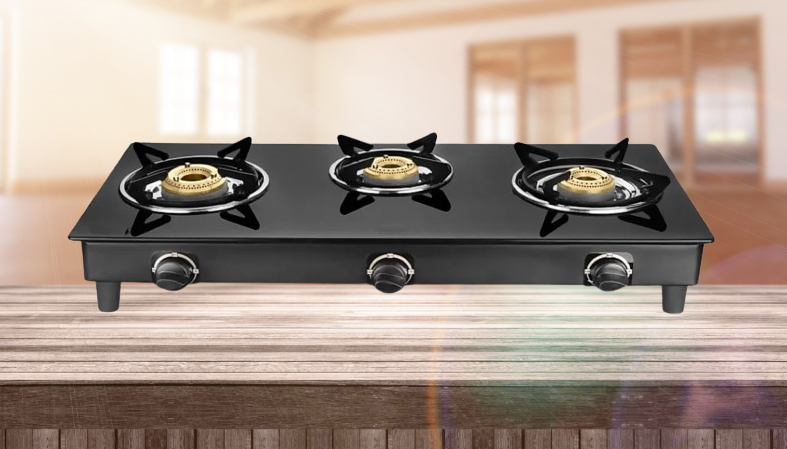
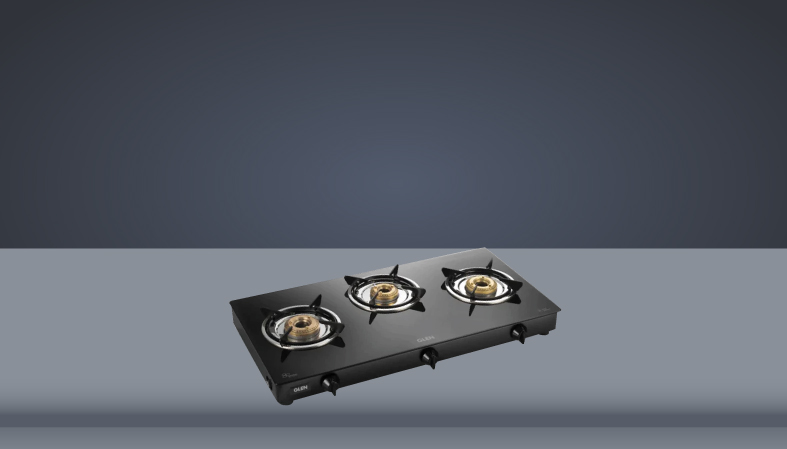
Gas Cooktops
Pros
- Accurate Temperature Control: Provides unmatched precision in cooking temperatures, crucial for attaining flawless culinary outcomes. This function guarantees that foods are cooked uniformly, hence enhancing the flavors and textures. By exercising exact control over the cooking process, one may eliminate any need for guesswork, resulting in culinary masterpieces whether it involves simmering a delicate sauce or searing meat.
- Rapid Heating: Significantly decreases the amount of time needed to heat cookware and bring water to a boil, making the cooking process more efficient. This accelerated heating process not only conserves crucial time but also enhances energy efficiency. Meals are prepared more quickly, making it more convenient to fit into hectic schedules and minimizing the amount of time spent waiting for food to cook.
- Versatility: Modern cooktops are versatile and can accommodate a wide range of cooking techniques to meet different culinary requirements. These cooktops are capable of handling a wide range of cooking techniques, from slow-cooked stews to high-heat searing. This adaptability promotes gastronomic exploration and ingenuity, enabling domestic chefs to engage in experimentation with a wide range of recipes and methodologies.
Cons
- Importance of Gas Line Installation: Demands the expertise of a professional to establish a gas line if one is not already in place, which may result in substantial expenses and inconveniences. This constraint can also impede the positioning and movement of the cooktop within the kitchen.
- Hazards of Open Flames: Utilizing open flames inherently poses safety issues, such as the potential for burns or fire. Gas leaks provide additional issues, necessitating vigilant monitoring and maintenance to guarantee a secure cooking environment.
- Lower Energy Efficiency: Gas cooktops are typically less energy-efficient when compared to electric or induction cooktops. These devices have a tendency to release a substantial quantity of heat to the air around them, resulting in higher operating costs and a greater impact on the environment.
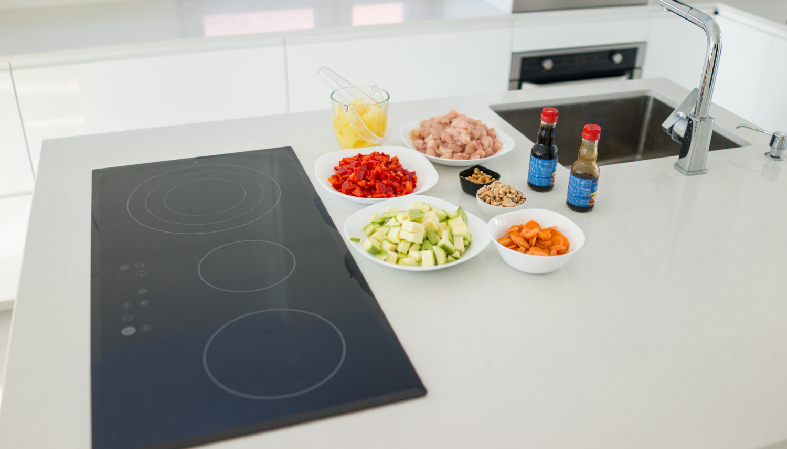
Electric Cooktops

Pros
- Elegant and Low-Maintenance Design: Electric cooktops are equipped with a sleek, level surface that not only enhances the contemporary and elegant appearance of any kitchen but also makes cleaning easier. Maintenance becomes effortless as spills and splatters may be swiftly cleaned away without the necessity of removing burners or handling grates.
- Compatible with Diverse Kitchen Designs: Electric cooktops are highly versatile and can be easily integrated into any kitchen style, ranging from ultra-modern to historic, due to their sleek design and flush installation possibilities. With a wide range of sizes and designs, these appliances can easily be included into kitchen islands, counters, or next to built-in ovens, improving the entire kitchen design.
- Improved Safety Features: Electric cooktops, which lack exposed flames, greatly mitigate safety issues associated with the possibility of fires. Several models are fitted with supplementary safety measures, including an automatic shut-off mechanism that activates when a pot is not recognized, indicator lights that remain illuminated while the surface is hot, and lockout functions to prevent unintentional activation. These features guarantee a safer cooking environment for families.
Cons
- Delayed Heat Transfer in Comparison to Gas Cooktops: Electric cooktops have a longer heat-up time compared to gas cooktops in order to reach the desired temperature. The delayed heat response time might result in longer cooking periods for recipes that demand quick changes in temperature, which can possibly impact meal preparation times and pose a challenge in achieving accurate cooking outcomes in certain cases.
- Necessitates the use of cookware with a flat bottom: In order to achieve the most efficient transfer of heat and ensure uniform cooking, it is necessary to utilize cookware with a flat bottom when using electric cooktops. Pans that are curved or bent may not rest evenly on the smooth surface, resulting in uneven heat distribution and inefficient cooking. This restriction can restrict the selection of cookware and might require purchasing new pots and pans for individuals switching from gas to electric cooktops.
- Variable Energy Efficiency: Electric cooktops may exhibit higher energy efficiency compared to gas ones when it comes to directly transferring heat to cookware. However, the overall energy economy of electric cooktops can greatly differ depending on the technology employed, such as standard electric coils or induction. Moreover, the utilization of electric cooktops can have a substantial indirect environmental impact, which is contingent upon the origin of the power, as the generation of electricity itself may entail the combustion of fossil fuels. Induction cooktops provide a more energy-efficient option in the electric category; however they do require a greater upfront investment.
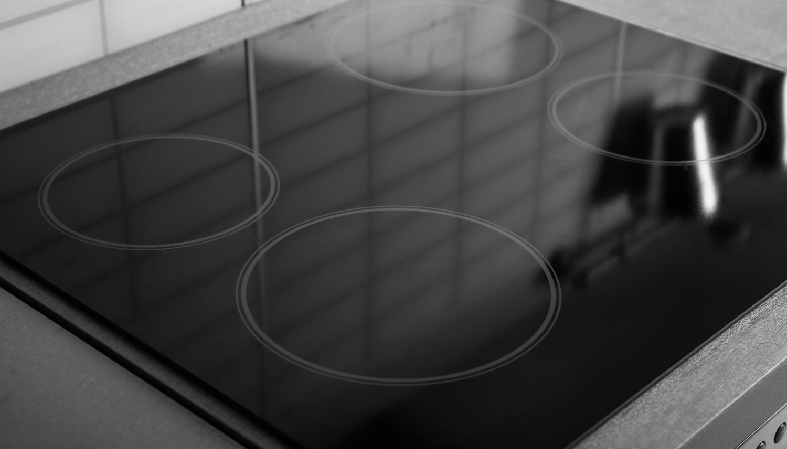
Induction Cooktops

Pros
- Rapid and effective culinary preparation: Induction cooktops are widely recognized for their exceptional ability to heat up quickly. By inducing electromagnetic currents directly in the pan, they rapidly and effectively heat food, resulting in much shorter cooking durations compared to gas or conventional electric cooktops.
- Accurate Temperature Regulation: These cooktops have exceptional accuracy in adjusting temperatures, enabling instant modifications in heat settings. The exact control offered by this feature is well-suited for activities that demand certain temperatures, such as melting chocolate or simmering sauces, guaranteeing flawless outcomes on every occasion.
- Enhanced Safety Features: Induction cooktops are equipped with several safety mechanisms, including auto-shutoff functions, which turn off the cooktop if no cookware is detected or if it is left unattended for a specific duration. In addition, the cooktop surface maintains a relatively low temperature, as heat is produced directly in the cookware, reducing the risk of burns from hot surfaces.
Cons
- Requires Induction-Compatible Cookware: The requirement for cookware that has a magnetic base, such as cast iron or some types of stainless steel, can provide a restriction. Induction cooking may necessitate the purchase of specific cookware for individuals switching from gas or regular electric cooktops, as not all pots and pans are compatible.
- Increased initial expense: Induction cooktops often have a greater initial cost in comparison to other types of cooktops. Although the investment in this product might result in improved energy efficiency and cooking performance, the initial cost may be a major factor for certain consumers.
- Noise Potential: Induction cooktop users may perceive a faint buzzing noise, particularly while operating the stove at high power levels. The electromagnetic currents interacting with cookware generate a noise that is typically modest but might be detectable in quieter kitchen areas.
Downdraft Cooktops
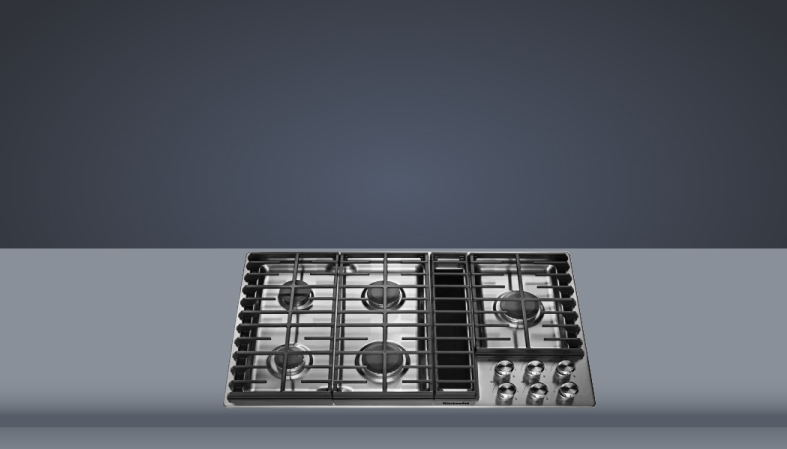
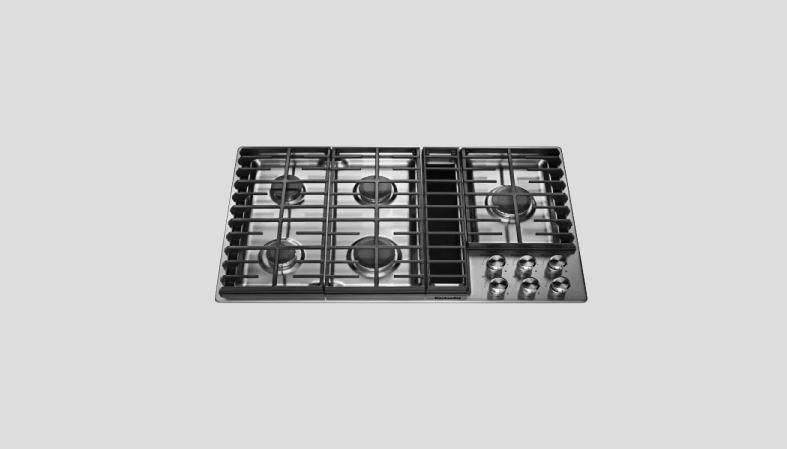
Pros
- Compact: Downdraft cooktops are cleverly engineered to optimize kitchen space. By incorporating the ventilation system directly into the cooktop, there is no requirement for a large and cumbersome overhead hood. This feature is especially beneficial in kitchens that have limited space or in island setups where an above hood could block views or be difficult to install.
- Eliminates the requirement for a separate ventilation system: The integrated downdraft ventilation system effectively catches and removes smoke, steam, and aromas from the cooking surface, swiftly directing them downwards and away from the kitchen. This integrated solution obviates the necessity of a distinct hood, resulting in a more hygienic and sleek appearance in the kitchen. It is a cost-effective method for preserving air quality without the need for a conventional ventilation system, which would require more space and incur higher costs.
- Perfect for kitchen layouts that have design limitations: Downdraft cooktops are ideal for kitchens that have design limitations, such as low ceilings, huge windows, or open layouts where a suspended hood could interfere with the overall appearance or arrangement of the area. They provide architects and designers with the ability to be flexible in kitchen layout, allowing for more innovative and unimpeded designs. In addition, they contribute to a spacious and well-ventilated environment, boosting the whole kitchen experience.
Cons
- Less effective at capturing smoke and odors: Downdraft cooktops, although innovative, may have lower efficiency in absorbing and removing smoke, steam, and odors when compared to conventional overhead vent hoods. Due to the downward airflow of the ventilation system, it may have difficulty capturing smoke and steam that naturally ascend, particularly when using tall pots or engaging in intense cooking. This can result in persistent scents and a diminished air quality in the kitchen.
- Restricted Range of Models: The market for downdraft cooktops is significantly smaller compared to the market for standard cooktops equipped with above vents. The restricted assortment can provide a difficulty for homeowners in locating a downdraft cooktop that aligns with their precise culinary requirements, visual preferences, and kitchen design. Consequently, users may have to make concessions on features, design, or functionality when choosing a downdraft system.
- Importance of Professional Installation: Professional installation is typically necessary when installing a downdraft cooktop because of the intricate process of fitting the ventilation system into the existing layout of the kitchen. Not only does this incur an extra cost, but it also necessitates meticulous design to ensure proper routing of the ductwork and optimal functioning of the system. For kitchens that were not originally intended to support downdraft ventilation, this may require extensive renovation.
Considerations for Choosing a Cooktop
Kitchen Layout and Space
The design of your kitchen remodel plays a pivotal role in determining the most suitable cooktop for your needs. If your kitchen already accommodates a gas line, a gas cooktop might be a favorable choice. On the other hand, electric and induction cooktops offer greater flexibility regarding spatial considerations. It’s also crucial to assess the amount of available work surface and decide whether you prefer an integrated hob or a separate stove. This decision will significantly influence both the functionality and aesthetic appeal of your kitchen, ensuring it meets your culinary requirements and lifestyle preferences.
Cooking Preferences and Habits
When selecting the ideal cooktop for your kitchen, cookware compatibility and personal preferences are crucial factors to consider. For those who prioritize precise temperature control and the ability to swiftly adjust heat settings, a gas cooktop stands out as an excellent option. Conversely, an induction cooktop represents a contemporary and secure choice, particularly appealing to individuals focused on energy efficiency. Additionally, electric cooktops offer a diversity of styles that cater to a wide range of aesthetic preferences, from traditional coils to sleek, smooth tops. This variety ensures that there’s a cooktop to match the culinary needs and design inclinations of every homeowner.
Energy Efficiency and Safety
In the quest for energy-efficient cooking, choosing a cooktop that conserves power is a logical step. Induction cooktops are particularly notable for their efficiency, as they directly heat the cookware, minimizing energy lost to the surrounding air. Furthermore, prioritizing safety features such as auto shut-off, child locks, and indicator lights is crucial, especially in households with young children. These features not only enhance the kitchen’s safety but also provide peace of mind, making induction cooktops an excellent choice for both their energy-saving benefits and their commitment to safety.
Maintenance and Cleaning
The ease of maintenance and cleaning differs greatly among different types of cooktops. In general, smoothtop electric and induction cooktops provide a more convenient cleaning experience due to their flat and even surfaces. However, gas cooktops may require more meticulous maintenance, as their grates and burners frequently need to be cleaned often to ensure the best possible performance. When selecting a cooktop, it is crucial to take into account your level of commitment towards the required maintenance. This factor will assist you in choosing a cooktop that not only fulfills your culinary requirements but also aligns with your way of life and maintenance preferences.
Ventilation Needs
It is essential to have sufficient ventilation in order to effectively eliminate cooking aromas, smoke, and excess heat, which is critical for maintaining a comfortable kitchen environment. Although classic range hoods are widely used and effective, downdraft cooktops provide an alternate option. Nevertheless, it is crucial to acknowledge that these systems exhibit differences in their effectiveness in purifying the air, emphasizing the significance of professional installation to optimize their performance. In addition, it is crucial to take into account the compatibility of your cooktop with your kitchen’s ventilation requirements. This will provide a seamless and efficient system that maintains a pleasant and well-ventilated cooking environment.
Advancements in Cooktop Technology
Cooktops play a crucial part in the changing world of kitchen appliances, with recent developments aimed at improving efficiency, safety, and ease of use. These advances encompass more than just culinary applications; they aim to convert the kitchen into a smarter, safer, and more user-friendly environment. Cooktops are becoming essential instruments in modern cooking techniques because to the incorporation of advanced technology. They provide accurate temperature control, energy-saving capabilities, and enhanced safety mechanisms. This progression exemplifies a wider inclination towards developing food experiences that are more effective, secure, and pleasurable.
Smart Features
The presence of intelligent technology in the kitchen is growing, with cooktops now being included in its scope. These cutting-edge models are connected with Wi-Fi connectivity, allowing customers to remotely access and monitor their stovetop from any location. This feature is especially beneficial for persons with busy schedules, as it enables them to heat water in advance for dry pasta or modify cooking temperatures while on the move. This helps to simplify meal preparation and improve the cooking process by increasing efficiency and convenience.
Sensor Technology
The use of sensor technology is a notable and distinctive characteristic of modern cooktops, particularly in the induction cooktop category. These advanced sensors have the ability to not only detect the presence of cookware, but also accurately determine its exact form and size once it is placed on the cooking surface. This impressive feature enables the automatic adjustment of the heating element, guaranteeing the accurate delivery of the optimal amount of heat to the desired location and time. As a result, this automation greatly improves the cooking process, making it more efficient and producing superior culinary outcomes. The incorporation of sensor technology into contemporary induction cooktops showcases the advancements being made in the development of intelligent and sensitive kitchen appliances that are specifically designed to cater to the requirements of modern cooks.
Touch Controls
Many modern cooktops now use smooth touch controls instead of the classic knobs. The touch controls feature a sleek and seamless surface, greatly facilitating the cleaning procedure. In addition to their functional benefits, these appliances enhance the visual attractiveness of the kitchen, giving it a sleek and contemporary look. This design decision not only mirrors the current kitchen decor trends but also meets the growing need for kitchen appliances that blend functionality with flair, thereby elevating the culinary area with both elegance and user-friendly attributes.
Safety Enhancements
There has been a notable increase in the demand for improved safety features in the production of cooktops, namely in the domain of induction cooktops. These contemporary devices often have built-in automatic shut-off mechanisms and kid lock features. These are designed to proactively minimize the risk of accidents and provide users a sense of security. The inclusion of safety-oriented elements is crucial in order to minimize the occurrence of potential risks, such as accidental activation or prolonged operation without supervision. By integrating these features, manufacturers are addressing consumer demands for more secure kitchen settings, rendering induction cooktops an appealing option for households that prioritize both safety and convenience.
Conclusion
The choice of a cooktop is crucial in determining both the design and performance of your kitchen. To make an informed choice, it is essential to have a comprehensive grasp of the fundamentals, examine several models, and take into account your individual requirements. Technological developments have greatly improved the cooking experience by providing a variety of options to accommodate various culinary preferences. Modern improvements in cooktop technology offer a range of options to suit different cooking preferences and lifestyles. Whether you like the precise control of a gas cooktop, the efficient design of an induction surface, or the diverse features of an electric cooktop, there are choices available to customize your cooking environment. This selection not only affects the visual appeal of your kitchen but also has an impact on its practicality, ensuring that your cooking area aligns with both your design preferences and cooking needs.